Holding tanks
A high-quality septic tank or septic tank for your boat! Different sizes and models that guarantee efficient and odor-free wastewater treatment.Holding tanks -ryhmän tuotteet
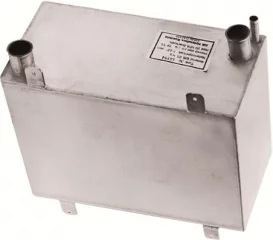
Septic tank made of stainless steel. Brackets. Inlet and outlet: 38mm. Ventilation hose outlet: 19mm
- Mounting brackets
- Inlet and outlet: 38mm
- Ventilation hole: 19mm
- Length: 40cm
- Width without exits/inlets: 30cm
- Width with exits/entrances: 35cm
- Height: 20cm
- Material: Stainless steel (AISI316)

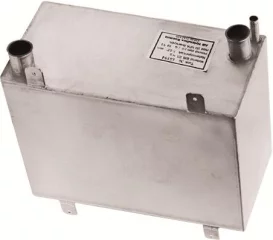
Stainless steel. Mounting bracket. Inlet and outlet: 38mm. Vent hole: 19mm.
Unlike the picture, it is installed sideways, with the vent and inlet pipe upwards.
- Mounting brackets
- Inlet and outlet: 38mm
- Ventilation hole: 19mm
- Length: 500mm Depth: 200mm Height: 400mm
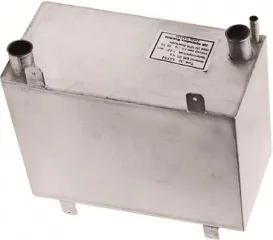
Stainless steel. The tank has mounting brackets for installation. Inlet and outlet hose outlets: 38mm. Vent hose outlet: 19mm.
Length: 700mm
Depth: 200mm
Height: 400mm
- 56 liters
- Stainless steel (AISI316)
- Inlet and outlet: 38mm
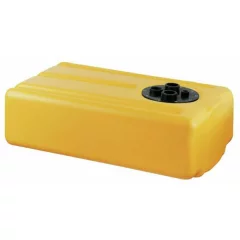
- Tank for boat septic system
- Volume 41 L
- Length 650 mm
- Width 390 mm
- Height 200 mm
- Weight 4.5 Kg

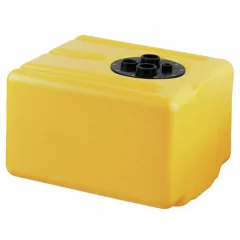
- Tank for boat septic system
- Volume 43 L
- Length 450 mm
- Width 390 mm
- Height 290 mm
- Weight 3 Kg
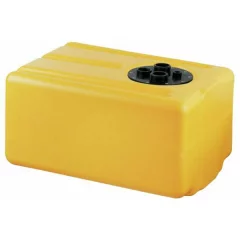
- Tank for boat septic system
- Volume 53 L
- Length 550 mm
- Width 390 mm
- Height 290 mm
- Weight 4Kg
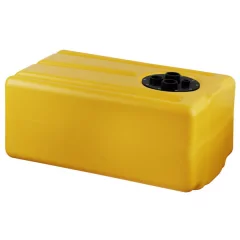
- Tank for boat septic system
- Volume 73 L
- Length 750 mm
- Width 390 mm
- Height 290 mm
- Weight 6 Kg
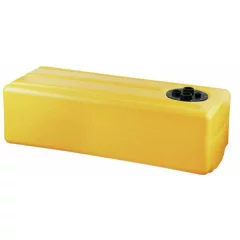
- Tank for boat septic system
- Volume 83 L
- Length 850 mm
- Width 390 mm
- Height 290 mm
- Weight 7Kg
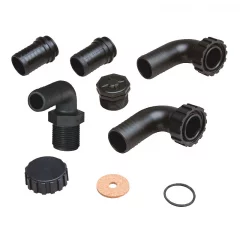
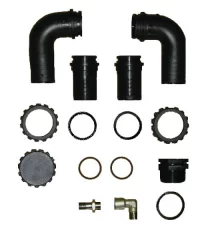
Connector set for black water tank made of: no. 2 pcs. 90° connectors suitable for Ø 38 mm, no. 1 pc. 1 1/4" male blind plug, no. 1 straight 3/8" hose connector Ø 17 mm.
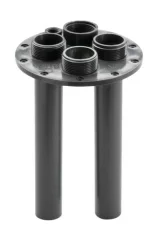
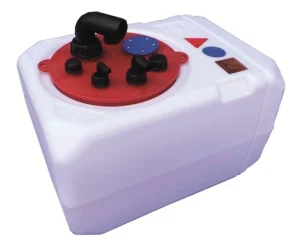
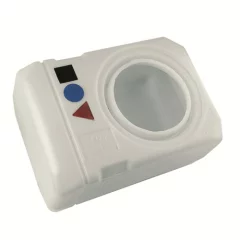
Nuova Rade DIABLO tank
This tank is intended for water, fuel, or septic tank. To be completed with a suitable lid. Made of recyclable, non-toxic, food-grade high-density polyethylene.
There are eight options available, ranging from 37 to 108 liters of tanks.
Choose the right cover and connectors for you (fuel, water or septic tank)
- Water, fuel or septic tank
- Volume: 37 liters
- Length: 500mm
- Width: 360mm
- Height: 230mm

Nuova Rade DIABLO tank
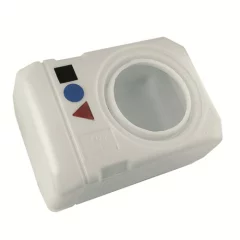
This tank is intended for water, fuel, or septic tank. To be completed with a suitable lid. Made of recyclable, non-toxic, food-grade high-density polyethylene.
There are eight options available, ranging from 37 to 108 liters of tanks.
Choose the right cover and connectors for you (fuel, water or septic tank)
- Water, fuel or septic tank
- Volume: 48 liters
- Length: 650mm
- Width: 360mm
- Height: 230mm
Nuova Rade DIABLO tank
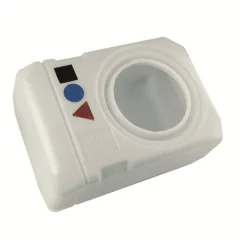
This tank is intended for water, fuel or septic. To be completed with a suitable lid. Made of recyclable, non-toxic food grade high density polyethylene.
There are eight options available, ranging from 37 to 108 liters of tanks.
Choose the right cover and connectors for you (fuel, water or septic tank)
- Water, fuel or septic tank
- Volume: 60 liters
- Length: 8000mm
- Width: 360mm
- Height: 230mm
Nuova Rade DIABLO tank
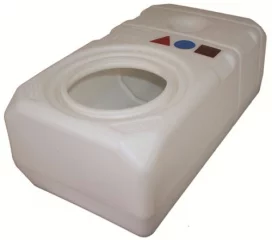
This tank is intended for water, fuel or septic. To be refilled with a suitable lid. Made of recyclable, non-toxic food grade high density polyethylene.
There are eight options available, ranging from 37 to 108 liters of tanks.
Choose the right cover and connectors for you (fuel, water or septic tank)
- Water, fuel or septic tank
- Volume: 64 liters
- Length: 650mm
- Width: 360mm
- Height: 305mm
Nuova Rade DIABLO tank
This tank is intended for use as a water, fuel or septic tank. To be completed with a suitable lid. Made from recyclable, non-toxic, food-grade high-density polyethylene.
There are eight options available, ranging from 37 to 108 liters of tanks.
Choose the right cover and connectors for you (fuel, water or septic tank)
- Water, fuel or septic tank
- Volume: 78 liters
- Length: 800mm
- Width: 360mm
- Height: 305mm
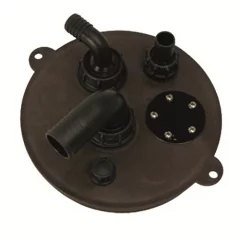
2 connection points (1½") for inlet and outlet, selectable outlets included 25 or 38mm.
1 connection point for ventilation, optional connector included 19 or 25mm.
Place ready for tank sensor according to DIN 5-hole standard.
The connection plate is available in two versions. This one is for the Diablotank with a height of 230mm (37L, 48L and 60L).
- For Diablo tank
- Septic tank cover
- For 230mm high tanks
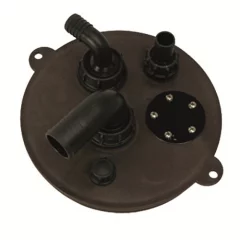
2 connection points (1½') for inlet and outlet, selectable outlets included 25 or 38mm.
1 connection point for ventilation, optional connector included 19 or 25mm.
Place ready for tank sensor according to DIN 5-hole standard.
The connection plate is available in two versions, intended for the Diablotank with a height of 305mm (64L and 78L).
- For Diablo tank
- Septic tank cover
- For 305mm high tanks
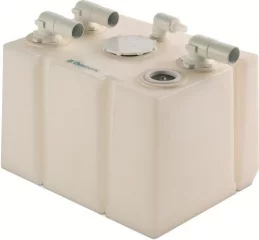
- Durable and odorless
- With ready-made connections
- 42 liters

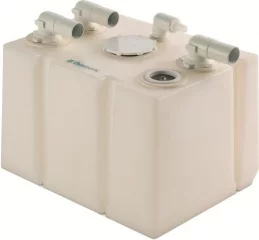
- Durable and odorless
- With ready-made connections
- 61 liters