Anchors and Accessories
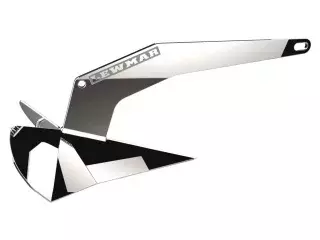
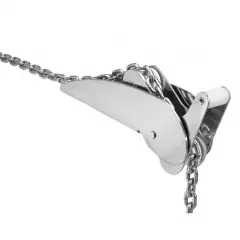
Anchors in various designs for different boats and vessels. Traditional Bruce models, grapnel anchors, as well as the newer DTX and Epsilon anchors.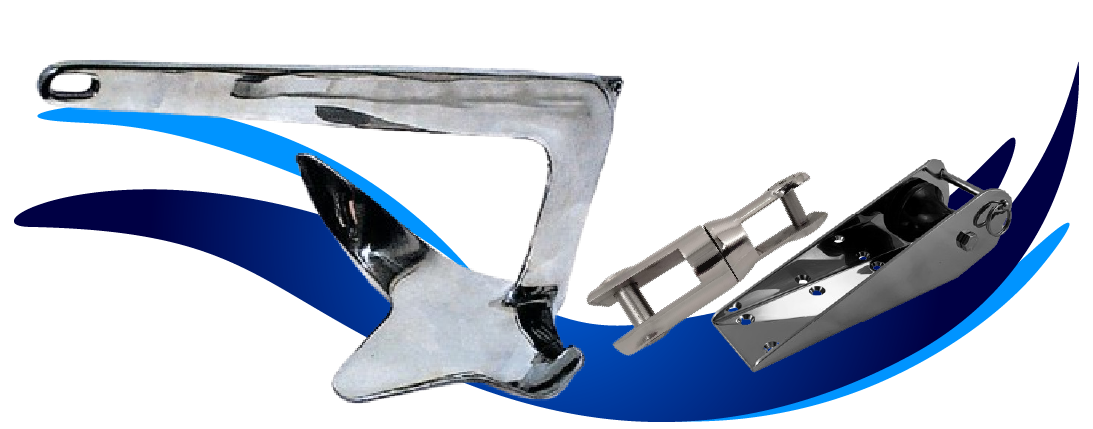
Product groups
A boat anchor is an essential part of safe and smooth boating. Our wide selection of boat anchors is designed to meet the needs of every boat owner, regardless of vessel size or water conditions. Every anchor we offer has been tested to ensure optimal performance and safety.
Choosing the right boat anchor depends on the size of your boat, the type of water, and the seabed conditions. That’s why we provide expert guidance to help you select the perfect anchor for your situation. Safe anchoring is not only about having the right equipment but also about understanding proper techniques. We offer instructions and tips so you can anchor your boat with confidence—whether you are an experienced sailor or a new boater. With the right tools and knowledge, you can ensure successful anchoring every time.
Anchoring your boat doesn’t have to be difficult—Marinekauppa’s anchor products make it easy, safe, and enjoyable.
Anchoring is one of the most important skills for any boat owner. Proper anchoring not only ensures your own safety and the safety of your crew but also prevents damage to nearby boats. At Marinekauppa, we highlight the importance of understanding and applying the fundamental principles of safe anchoring.
Different types of anchors suit different conditions and boat sizes. Common types include digging anchors, plow anchors, and Danforth anchors—each with their own strengths.
A common rule is to use a rope at least five times the depth of the anchoring location. In rough weather or areas with significant tidal changes, you may need even more.
When lowering the anchor, stop the boat and let the anchor drop vertically. Reverse the boat slowly to help the anchor dig into the seabed.
When retrieving the anchor, approach it from the bow and raise it only when you are directly above it.
Anchoring safely is not only about keeping your boat in place—it’s also about respecting other boaters and protecting sensitive areas. Avoid anchoring too close to other vessels and steer clear of delicate seabeds that could be damaged by the anchor or rope.
Always carry a spare anchor and extra anchoring equipment. Good preparation is key to safe and successful anchoring. Marinekauppa offers a wide range of anchor products and accessories to meet all your needs.
Selecting the correct anchor and anchor rope is essential for safe anchoring. We offer a broad range of anchors and ropes suitable for all types of boats and water environments. Anchors come in various shapes and sizes to suit different seabeds and usage situations. Whether you need a digging anchor for soft bottoms or a plow anchor for more versatile conditions, you’ll find the perfect anchor for your boat here. Explore our selection!
Before approaching the anchoring spot, prepare the anchor and ensure all equipment is ready. Check that the rope or chain is securely attached and free from tangles. Determine the necessary rope length based on water depth and conditions.
Select an area with good holding ground (such as sand or mud) and adequate depth for your boat, even at low tide. Avoid hard bottoms where anchors may not grip. Make sure there is enough space around you and check for other boats, underwater obstacles, and changes in wind or current.
Approach slowly with the bow facing into the wind or current to maintain better control when lowering the anchor.
Stop the boat and lower the anchor gently from the bow (never from the stern, as it can be dangerous). Ensure the anchor descends vertically—do not throw it.
Once the anchor reaches the bottom, reverse the boat slowly while letting out rope. Use a scope of 5–7 times the water depth, depending on conditions.
Allow the boat to pull the anchor to help it dig in. Check your position against fixed landmarks to confirm the boat is not drifting.
After a short time, check again that the anchor is holding. GPS anchor alarms can also be helpful.
Monitor your position regularly, especially when weather changes. Be ready to adjust your scope or reposition if needed.
When departing, pull in the rope slowly until you are directly above the anchor. Lift it vertically.
Anchoring requires practice and patience. Each attempt increases your skill and confidence. Marinekauppa provides a complete selection of anchor products and accessories to ensure safe anchoring every time.
Proper mooring techniques are essential for stability and safety while anchored. With the right knowledge, you can avoid common mistakes and keep your boat secure.
Choose a mooring spot suitable for your boat size and anchor type.
Use an appropriate anchor rope and ensure the length matches conditions.
Learn essential knots and when to use them—they are crucial in emergencies.
When mooring at a dock, make sure the lines are tightened properly to prevent damage.
Always keep enough mooring equipment on board. Regularly inspect and maintain all gear.
Why is choosing the right size anchor important?
The correct anchor size ensures safe holding. A too-small anchor won’t grip properly, while a too-large anchor is difficult to handle. Anchor size should match your boat’s length, weight, and local conditions.
How do I choose the right type of anchor?
The best anchor depends on bottom type, boat size, weight, and typical wind/current conditions. Marinekauppa can help you find the ideal anchor for your needs.
What are the benefits of a windlass?
A windlass makes lowering and retrieving the anchor easier, especially in bad weather or deep water. It provides better control and improves overall safety.
How long should the anchor rope be?
Use at least five times the water depth. In rough weather, a longer scope increases safety.
Can I use the same anchor on all bottom types?
Some anchors work reasonably well in multiple conditions, but it’s best to choose one designed for the seabed you use most.
What does “proper anchoring technique” mean?
It means choosing the right spot, using the correct rope length, and ensuring the anchor sets properly based on the conditions.
How often should I inspect my anchoring system?
Inspect the anchor, rope, chain, and accessories regularly—especially after storms or frequent use.
What should I do if the anchor doesn’t hold?
Raise and reset the anchor in a new spot. Ensure you are using the right scope and that the anchor is lowered correctly.