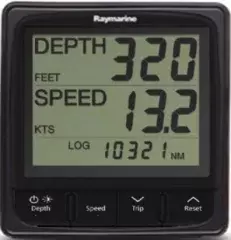
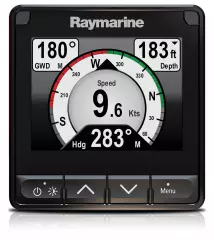
Instrument Displays
Boat instrument panels for measuring wind, speed, and depth. Most instruments can be networked via the NMEA2000 system.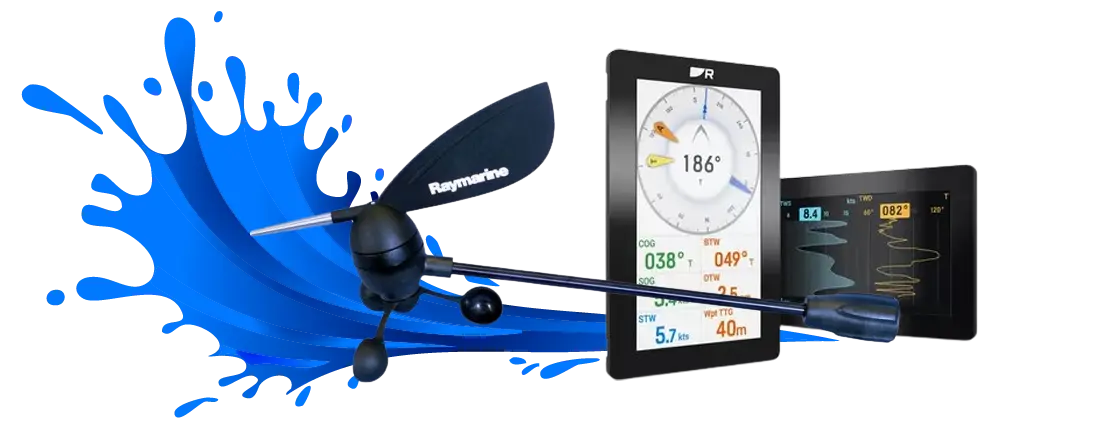
Tuoteryhmät
To make boating safe and efficient, your boat should be equipped with instruments that provide accurate, real-time information about both the boat’s performance and surrounding conditions. The instrument panel is a key part of your vessel’s equipment, helping you monitor everything from speed to wind conditions. Explore our wide range of boat instruments!
Boating is an enjoyable and rewarding activity, but it also comes with challenges and risks. By equipping your boat with the right instruments, you can minimize risks and maximize enjoyment on the water.
Boat instruments provide critical data that helps you make informed decisions on the water. The panel can include devices such as a depth gauge, log (speed), and wind meter, all of which offer valuable insights into conditions and surroundings.
For example, a wind meter gives accurate readings of wind speed and direction—essential for sailors when planning safe routes and adjusting sails.
An instrument panel helps you optimize your boat’s performance. The log meter assists in managing fuel consumption, while the wind meter helps sailors take full advantage of wind conditions to improve speed and efficiency.
Instruments can detect issues before they become serious. A depth gauge warns of shallow waters, while a wind meter alerts you to sudden wind changes—allowing you to respond quickly and avoid hazards.
A complete instrument panel can include several devices providing vital operational and environmental data. You can choose individual instruments or a combined unit like a Tridata display, which integrates multiple readings into one device.
Measures speed through water and distance traveled. Essential for navigation and long voyages.
Logs can be mechanical (propeller-based) or modern electronic sensors.
Measures water depth directly beneath the boat—crucial for safe navigation.
Operates by sending sound pulses into the water and calculating return time. Displays data in digital or graphical form, with optional shallow water alarms.
Measures wind speed and direction—vital for sailing vessels.
Available as digital (easy-to-read, often with data storage) or analog (simple and traditional).
Can integrate with autopilot and chartplotters for automated and precise navigation adjustments.
A multi-function display combining:
Speedometer
Depth gauge
Wind meter
Often also a temperature sensor
Popular in sailboats and smaller vessels for space-saving convenience and clear readability.
Can connect to autopilots or chartplotters for a more complete navigation system.
Example: Raymarine’s wireless Tridata or Raymarine multifunction displays for advanced setups.
Quality and Durability
Instruments must withstand moisture, vibration, and saltwater. Choose models built from robust materials and properly sealed for marine use.
Accuracy
Reliable readings are essential for safe boating. Select instruments from brands known for precision and trustworthy performance.
Ease of Use
Displays should be clear and easy to read, even in harsh conditions. Choose instruments with intuitive interfaces.
Integration
Modern instruments often connect to autopilots, chartplotters, or other onboard systems via networks like NMEA 2000. Ensure compatibility with your existing equipment.
Price and Budget
Balance quality and affordability. Compare options and reviews to find the best value for money.
Boat instruments are an essential part of any vessel, providing key data for safety, performance optimization, and problem prevention.
When selecting instruments, consider quality, accuracy, usability, and system compatibility.
Explore our wide selection of boat instruments
Visit our stores for expert advice and hands-on assistance
Welcome to Marinekauppa – your partner for smarter, safer boating!