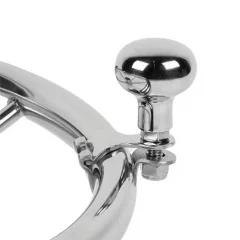
Boat steering wheel or rudder
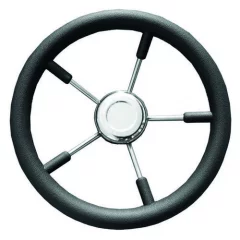
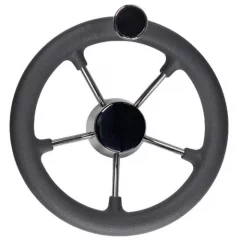
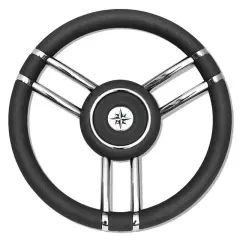
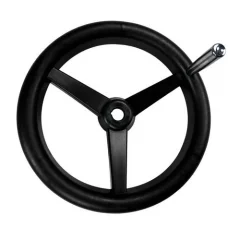
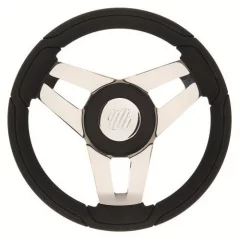
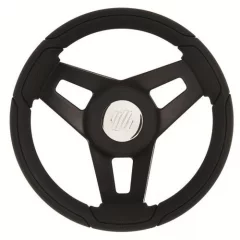
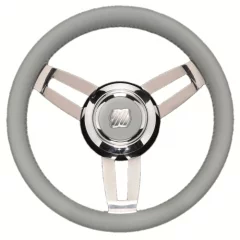
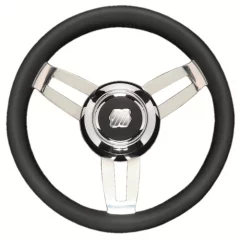
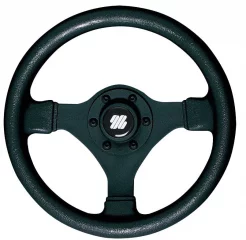
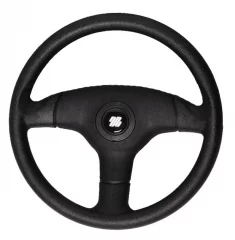
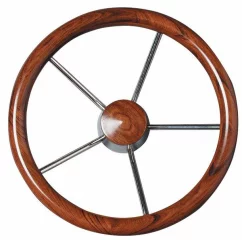
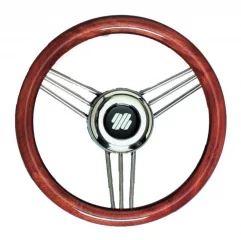
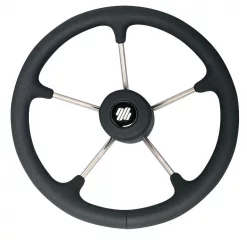
The boat steering wheel, or rudder , is a key component of the boat's steering system, which enables the boat to be controlled and navigated on the water. The rudder allows the pilot to transmit his movements to either the engine or the rudder. Through it, the movements of the steering wheel are converted into precise steering force, which ensures the boat's controlled changes in direction and stable course. Discover our rudder selection!
Powerboat Steering Wheel - Features and Selection
The rudder of a motorboat is designed to support easy and precise steering of the boat even at higher speeds. Comfort, practicality and durability of materials are emphasized when choosing a rudder. A suitable boat steering wheel makes steering smooth, safe and enjoyable.
Compact design
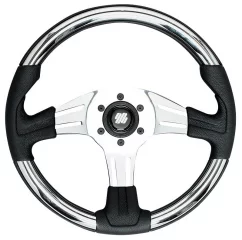
A powerboat steering wheel is usually smaller than a sailboat rudder because steering does not require a lot of leverage. The small size allows the rudder to be easily mounted on a console or cockpit, where space may be limited. A compact rudder keeps the boat's cockpit ergonomic and optimizes space utilization.
Ease of use
Powerboat steering systems, such as cable or hydraulic steering, require less force, so the boat's steering wheel does not need to be large or heavy. A good powerboat steering wheel is designed with ergonomics in mind, so it is comfortable to use even during long journeys. The rudder handles or coating may include anti-slip materials, which increases grip and safety.
Precision and control
One of the most important features of a boat steering wheel is to enable precise steering, especially in harbors, narrow waterways, or when navigating near other boats. A well-designed rudder transfers the pilot's movements precisely to the boat's engine or rudder, making changes in direction quick and precise, improving both the driving experience and safety.
Material choices
Powerboat steering wheels are made of materials that are resistant to moisture, salt water and UV radiation. The most common materials are:
Aluminum: A lightweight and durable material that is well suited for smaller and medium-sized boats.
Stainless steel : A stylish and highly durable material that is popular on higher-end boats. It is highly resistant to corrosion and gives the helm a premium feel.
ABS plastic: An affordable and lightweight option that is easy to maintain and practical for smaller boats.
Composite : A modern and lightweight material that is highly resistant to weather conditions and is often used in newer motorboats.
Powerboat steering wheel features
Powerboat helms may have additional features that improve the user experience:
Integrated control hardware: Some models have integrated buttons, such as engine control or navigation system controls.
Non-slip surface : A steering wheel with an anti-slip coating or rubber coating provides better grip with wet hands.
Style and appearance: Modern helms can be stylized, giving the cockpit a finished and impressive look.
Why is choosing the right boat steering wheel important?
A well-chosen rudder improves boating comfort and steering precision, especially:
In fast waters: Powerboats can travel at high speeds, so rudder accuracy is key to safe steering.
In tight spaces: Navigating in a harbor requires precise and quick movements.
On long journeys: A comfortable and easy-to-use helm reduces pilot fatigue on long journeys.
A powerboat steering wheel is compact, ergonomic and made of weather-resistant materials such as aluminum, stainless steel or ABS plastic. A good helm makes steering easy, precise and comfortable in all conditions, and it makes navigation effortless in both narrow waterways and the open sea. Ensure the compatibility of the boat's helm with the steering system and invest in quality.
Sailboat rudders - features and selection
When choosing a sailboat steering wheel, the most important things are accuracy, durability and ease of use. The function of a sailboat rudder is to control the rudder accurately, even in strong winds, waves and a heeled boat, where the steering forces can be considerable. The size, shape and material of the rudder affect its functionality and use, especially on long voyages and in demanding conditions.
Large diameter – better control
Sailboat rudders are usually large, ranging from 80 cm to over a meter in diameter. A large rudder provides better leverage, allowing for less force to be used to control the rudder. Optimised force is especially important for manual steering without hydraulic or electric assist systems.
In a tilted boat, a large rudder is also important for safety, as the pilot can steer the boat while remaining comfortably on the side of the boat. This reduces the need to move around in the cockpit and improves control of the boat in sailing situations.
Rudder shape and grip
The design of a sailboat's rudder is crucial for both practicality and comfort:
Round or slightly oval shapes: Designed to fit both hands comfortably and ensure good grip even in wet conditions.
Multi-spoke shape: Most sailboat rudders are multi-spoke, allowing the pilot to have a precise grip in different positions and providing better control.
Non-slip surface: The surface material of the helm, such as leather or rubber coating, ensures a secure grip even with wet hands.
Material – durability and style
The choice of material for a sailboat's rudder affects both its durability and appearance. The most common materials are:
Stainless steel:
One of the most popular materials for sailboats.
Durable, corrosion-resistant and offers a classic, elegant look.
Especially suitable for open boats that are constantly exposed to moisture and salt water.
Composite:
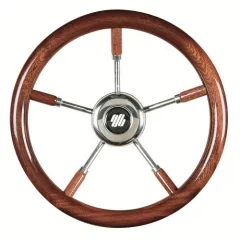
Wood:
Often used on classic or vintage style sailboats.
A stylish and traditional choice, but requires regular maintenance to prevent damage from moisture and UV radiation.
Carbon fiber:
The lightest and most durable material, used especially in racing sailboats.
Stylish and modern appearance, but often a more expensive option.
Precision and power transmission
The main function of a sailboat's steering wheel is to accurately transmit the pilot's movements to the rudder. This requires the boat's rudder to work seamlessly with the boat's steering system, such as a cable-operated or hydraulic rudder system. The size and design of the rudder affect its ability to transmit power efficiently and accurately. The importance of accuracy is emphasized in narrow channels and demanding conditions.
Practicality and ergonomics
The ergonomic design of a sailboat steering wheel allows for long sailing trips without jams or dents. A good boat steering wheel:
Allows easy handling without excessive strain.
Designed to be used from many positions, including over the side of the boat when it is tilted.
Includes suitable grip surfaces and additional features such as an integrated non-slip coating or adjustable height.
Rudder size and placement
The size of a sailboat rudder is usually chosen based on the size of the boat and the steering system:
For smaller sailboats: The diameter of the boat's steering wheel can be around 80–100 cm, which is enough to provide enough control without taking up too much space.
In large sailboats: The diameter can be over a meter, which improves steering ability in strong winds and waves.
Dual rudder systems: Common on larger sailboats, where two rudders allow steering from both sides of the boat.
What makes a good sailboat steering wheel?
A good sailboat steering wheel:
Provides excellent control and precision.
Made of durable material that can withstand long-term exposure to water and sun.
It is ergonomically designed to be comfortable to use even on long sailing trips.
Suitable for the style and use of the boat, whether it is casual pleasure sailing or intensive racing.
The steering wheel of a sailboat is designed to be large and durable to provide the helmsman with maximum control in all conditions. Choose a helm that matches the size and use of your boat, paying attention to materials, ergonomics and rudder accuracy. The right boat helm not only increases safety and control, but also enhances the comfort and enjoyment of boating.