Fish Finder for Your Boat: How to Choose the Best Device for You
A fish finder is an essential tool for boaters and anglers, helping to locate fish and map underwater structures and formations. Choosing a model suited to your needs improves both boating safety and the overall user experience.
If you’re unfamiliar with fish finders, selecting the right one can feel overwhelming due to the wide range of options and features available. That’s why we’ve compiled this guide: below you’ll find the key factors to consider before making a purchase, an overview of different price ranges, and a comparison of popular brands such as Garmin and Lowrance.
What Is a Fish Finder and How Does It Work?
A fish finder is an electronic device that uses sound waves (echoes) to detect underwater objects. The device sends sound pulses into the water and measures how long it takes for the echo to return. This time interval indicates the distance to objects below the surface — such as fish, bottom contours, or obstacles.
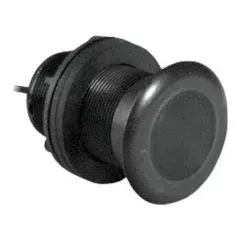
The transducer is installed on the boat’s hull in constant contact with the water. It sends and receives sound pulses, which are then displayed visually on the screen.
Depending on the model, the display may show simple depth readings or detailed graphical images that help identify different targets.
Fish finders typically operate on two main frequency ranges:
Most modern fish finders use multiple frequencies simultaneously, combining depth and clarity for the best possible view.
Different Types of Fish Finders — Which One Suits You?
There are several types of fish finders designed for different purposes. Understanding their differences helps you choose the right one for your boating or fishing style.
Dual-Beam Fish Finder
Common among hobby anglers, dual-beam fish finders use two frequencies:
Down Imaging Fish Finder
Provides highly detailed images directly below the boat using high-frequency sound waves, creating photo-like views of the underwater world. Ideal for identifying bottom contours and fish hiding near the seabed.
Side Imaging Fish Finder
Sends sound pulses to both sides of the boat, covering a wide area at once. Excellent for surveying large areas quickly, such as lakes or rivers. Perfect for getting a comprehensive overview of the surroundings.
CHIRP Fish Finder
CHIRP (Compressed High-Intensity Radiated Pulse) technology uses swept frequency ranges instead of a single frequency, producing clearer images and better target separation at various depths. CHIRP models are typically more expensive but offer top-tier performance for serious anglers and boaters.
Integrated GPS Combo Units
Many modern fish finders feature built-in GPS, allowing precise positioning and route planning directly on the device. These combo units are especially convenient for long trips or navigating unfamiliar waters.
Key Features to Consider When Choosing a Fish Finder
-
Frequency
Determines both image detail and depth reach.
-
High frequency (200–800 kHz): sharper images, shallower depth
-
Low frequency (50–80 kHz): deeper reach, less detail
Most devices today support multiple frequencies.
-
Screen Resolution and Size
A larger, higher-resolution display makes it easier to interpret underwater images. Touchscreens add convenience.
-
Power Output
Measured in watts. Higher wattage provides better depth performance and clearer images.
-
Mapping Functions
Built-in GPS and route recording simplify navigation. Some devices offer real-time bottom contour mapping, useful in unfamiliar waters.
-
Compatibility
If your boat already has electronics (e.g. autopilot, chartplotter), check that the fish finder is compatible. Many brands support integrated systems for seamless operation.
Budget and Price Ranges
Budget Fish Finders (Under €200)
Basic models for occasional fishing. Offer simple displays and depth readings, but lack advanced features like GPS or high-resolution imaging.
Mid-Range Fish Finders (€200–500)
Better value for money — improved displays, multiple frequencies, and often built-in GPS. Great for active anglers wanting more versatility.
High-End Fish Finders (€500+)
Premium technology with CHIRP, Down Imaging, Side Imaging, and large high-res touchscreens. Compatible with other marine systems for top performance in demanding conditions.
Choose based on your needs and experience:
Don’t forget additional costs like installation accessories, software updates, or chart data.
Garmin vs. Lowrance and Other Popular Brands
Garmin Fish Finders
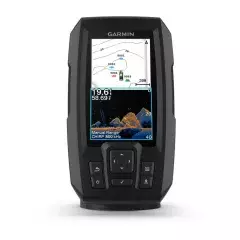
Known for innovative, user-friendly designs with clear interfaces and advanced mapping (e.g. BlueChart®, LakeVü™). Many models feature built-in GPS and CHIRP technology for improved clarity and target separation.
Lowrance Fish Finders
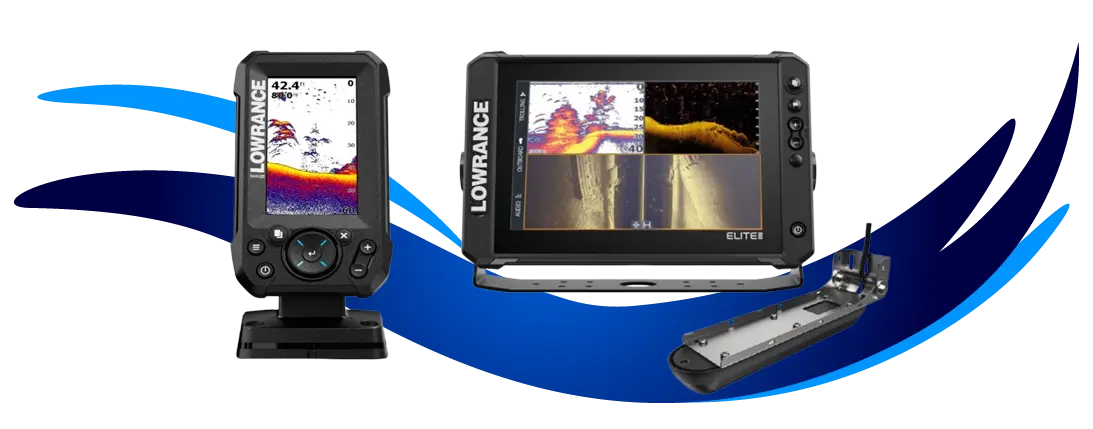
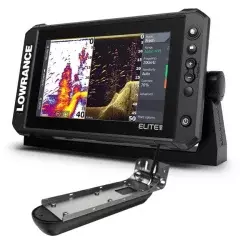
A favorite among anglers, offering models across all price ranges. Known for precise imaging and advanced features like DownScan Imaging™ and StructureScan®. Emphasis on ease of use, appealing to both beginners and professionals.
Other Notable Brands
-
Humminbird – Specializes in Side Imaging and MEGA Imaging for ultra-detailed views.
-
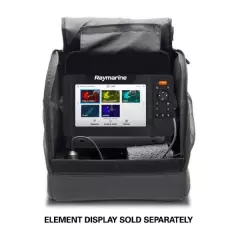
Raymarine – High-end navigation systems combining fish finder and chartplotter functions, featuring RealVision 3D™ technology.
-
Deeper – Portable sonar solutions with unique smart features for versatile use.
When choosing between brands, consider your preferred features, budget, and manufacturer support, such as software updates and customer service — these can significantly affect long-term satisfaction.
By understanding your fishing style, boat type, and desired features, you can confidently select the best fish finder to enhance your experience on the water.