Gelcoat fillers
Gelcoat putty can be used to repair scratches and thus clean surfaces above the waterline. Epoxy putty is used below the waterline.Gelcoat fillers group products
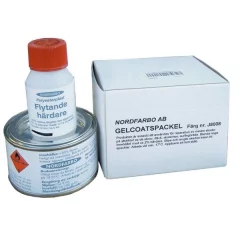
- Gelcoat putty
- Size: 100ml
- 2-component
- Color: bright white.
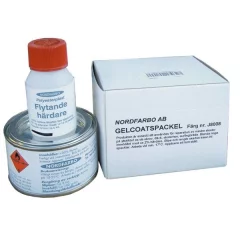
- Gelcoat putty
- Size: 100ml
- 2-component
- Color: Off-white
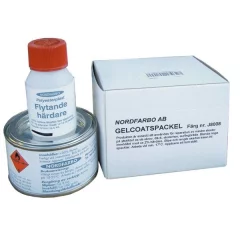
- Gelcoat putty
- Size: 100ml
- 2-component
- Color: gray

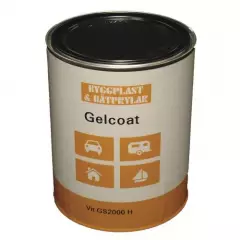
Gelcoat GS
Gelcoat GS is a pigmented special polyester that is pre-accelerated and thixotropic. The product is intended for mold use and is also suitable as a topcoat when a wax solution is added.
Gelcoat is applied by hand and forms a smooth and durable surface. By adding a wax solution, the product can be used as a topcoat for a finishing surface.
Applications
Mold use
Gelcoat surface preparation
Topcoat with wax solution
Features
Pigmented special polyester
Pre-accelerated
Thixotropic composition
Suitable for hand application
Can be used as a topcoat with wax solution
Specifications
Application method: manual application
Hardener amount 1.5–2 percent
Topcoat application by adding 4 percent wax solution
Things to note
Color tone may vary between different production batches
The old gelcoat surface may be faded, which will affect the final shade.
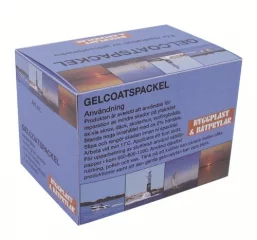
Gelcoat Filler
Gelcoat Filler is a putty intended for repairing surface damage to gelcoat layers. The product is suitable for repairing small damages, scratches and dents and enables a smooth and unnoticeable finish on gelcoat surfaces.
Package contents
100ml putty in a metal jar
Hardener
Mixing cup
Stirring stick
Applications
Surface damage to gelcoat surfaces
Small dents and scratches on boats and other gelcoat surfaces
Instructions
Preparation
Carefully chamfer the edges of the damage.
Clean the repair area thoroughly with, for example, acetone.
Finish
Apply the mixed putty to the damaged area and let it harden.
Sand with wet sandpaper grits 600, 800 and 1200
Finish the surface with rubbing, polish and wax
Gelcoat Filler is an easy-to-use and effective solution for clean and durable repairs to gelcoat surfaces.
- Color: RAL 9003 White
- 100ml
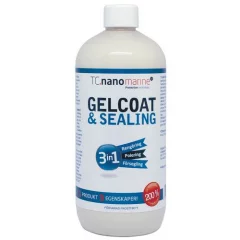
TCnano Marine has expanded its UV protection and is fully compatible with surfaces previously treated with Nano Extract or TCnanos. It is a new generation product that replaces wax and polish. It is specially designed for boat gelcoat surfaces. TCnano Marine Gelcoat Protector cleans, polishes, polishes and protects - all in one go. Effective for use on worn, dull and oxidized surfaces. The treatment provides a radiant shine and maximum protection. Highly effective UV protection prevents sun fading of the hull and waterline. Protects against sun and dirt, keeping the hull shiny. Subsequent treatment with TCnano Marine Gelcoat Protector strengthens the protection.
The advantage of TCnano Marin products compared to traditional technology is easier and faster usability. The surface treated with nanotechnology has significantly longer durability compared to traditional technology and waxes. Consumption: approximately 250 ml for a 30-foot sailboat.
- Long-term protection
- Easy to use
- Excellent result

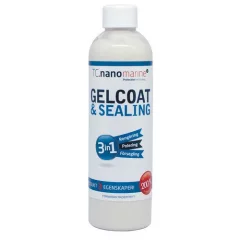
TCnano Marine has expanded its UV protection and is fully compatible with surfaces previously treated with Nano Extract or TCnanos. It is a new generation product that replaces wax and polish. It is specially designed for boat gelcoat surfaces. TCnano Marine Gelcoat Protector cleans, polishes, polishes and protects - all in one go. Effective for use on worn, dull and oxidized surfaces. The treatment provides a radiant shine and maximum protection. Highly effective UV protection prevents sun fading of the hull and waterline. Protects against sun and dirt, keeping the hull shiny. Subsequent treatment with TCnano Marine Gelcoat Protector strengthens the protection.
The advantage of TCnano Marin products compared to traditional technology is easier and faster usability. The surface treated with nanotechnology has significantly longer durability compared to traditional technology and waxes. Consumption: approximately 250 ml for a 30-foot sailboat.
- Long-term protection
- Easy to use
- Excellent result
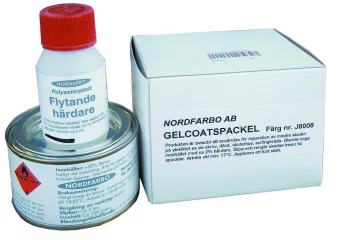
- Package size 100 ml.
- Color: white RAL 9010
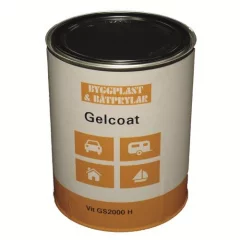
- Cures without air
- Quantity: 1 kg
- H = hand application.
- Hardener mixture: 1.5-2%.
- With the addition of a 4% wax solution, gelcoat can be used as a topcoat.
- Please note that colors may vary between batches and the old gelcoat may have faded.
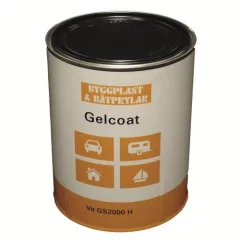
Gelcoat GS
Gelcoat GS is a pigmented special polyester that is pre-accelerated and thixotropic. The product is intended for use in molds and is also suitable as a topcoat when a wax solution is added.
Gelcoat is applied by hand and forms a smooth and durable surface. After adding a wax solution, the product can be used as a finishing top coat.
Applications
Formwork
Gelcoat surface preparation
Topcoat for use with wax solution
Features
Pigmented special polyester
Pre-accelerated
Thixotropic structure
Suitable for hand application
Can be used as a topcoat with wax solution
Specifications
Application method: manual application
Hardener mixture 1.5–2 percent
Topcoat application by adding 4 percent wax solution
Things to note
Shade variations may occur between different production batches
The old gelcoat surface may be faded, which will affect the final color tone.
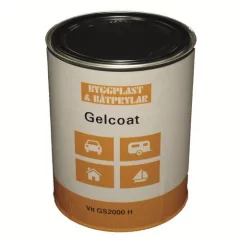
Gelcoat GS
Gelcoat GS is a pigmented special polyester that is pre-accelerated and thixotropic. The product is intended for use in molds and is also suitable as a topcoat when a wax solution is added.
Gelcoat is applied by hand and forms a smooth and durable surface. By adding a wax solution, the product can be used as a finishing topcoat.
Applications
Formwork
Gelcoat surface preparation
Topcoat for use with wax solution
Features
Pigmented special polyester
Pre-accelerated
Thixotropic composition
Suitable for hand application
Can be used as a topcoat with wax solution
Specifications
Application method: manual application
Hardener amount 1.5–2 percent
Topcoat application by adding 4 percent wax solution
Things to note
Color tone may vary between different production batches
The old gelcoat surface may be faded, which will affect the final shade.
- Cures without air
- Quantity: 1 kg
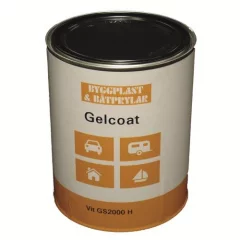
Gelcoat GS
Gelcoat GS is a pigmented special polyester that is pre-accelerated and thixotropic. The product is intended for use in molds and is also suitable as a topcoat when a wax solution is added.
Gelcoat is applied by hand and forms a smooth and durable surface. By adding a wax solution, the product can be used as a finishing topcoat.
Applications
Mold use
Gelcoat surface preparation
Topcoat with wax solution
Features
Pigmented special polyester
Pre-accelerated
Thixotropic structure
Suitable for hand application
Can be used as a top coat with wax solution
Specifications
Application method: manual application
Amount of hardener mixture 1.5–2 percent
Topcoat application by adding 4 percent wax solution
Things to note
Color tone may vary between different production batches
The old gelcoat surface may be faded, which will affect the final color tone.
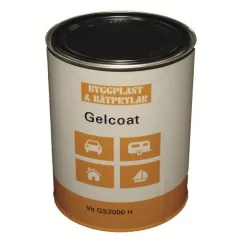
Gelcoat GS
Gelcoat GS is a pigmented special polyester that is pre-accelerated and thixotropic. The product is intended for mold use and is also suitable as a topcoat when a wax solution is added.
Gelcoat is applied by hand and forms a smooth and durable surface. By adding a wax solution, the product can be used as a topcoat for a finishing surface.
Applications
Mold use
Gelcoat surface preparation
Topcoat with wax solution
Features
Pigmented special polyester
Pre-accelerated
Thixotropic composition
Suitable for hand application
Can be used as a topcoat with wax solution
Specifications
Application method: manual application
Hardener amount 1.5–2 percent
Topcoat application by adding 4 percent wax solution
Things to note
Color tone may vary between different production batches
The old gelcoat surface may be faded, which will affect the final shade.
- Cures without air
- Quantity: 1 kg
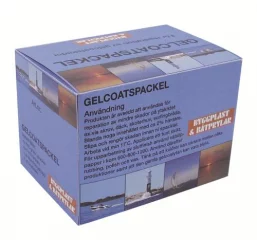
Gelcoat Filler
Gelcoat Filler is a putty for repairing surface damage to gelcoat layers. It is suitable for minor damage and scratches, and it creates an even and durable finish that can be finished to match the original gelcoat surface.
Package contents
100 g of putty in a metal jar
Hardener
Mixing cup
Stirring stick
Applications
Surface damage to gelcoat surfaces
Small dents and scratches on boats and other gelcoat surfaces
Instructions
Preparation
Make sure the edges of the damage are carefully beveled
Clean the repair area thoroughly with, for example, acetone.
Application and finishing
Apply the mixed putty to the damaged area.
Let it cure.
Finish with wet sandpaper grits 600, 800 and 1200
Polish the surface with rubbing, polish and wax
Gelcoat Filler is an easy and effective solution for clean and unobtrusive repairs to gelcoat surfaces.
- 100 g of putty in a metal jar
- Hardener
- Mixing cup
- Stirring stick
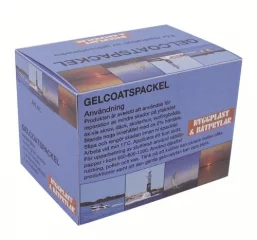
Gelcoat Filler
Gelcoat Filler is a putty for repairing surface damage to gelcoat layers. It is suitable for repairing small damages, scratches and dents and allows for a smooth and unnoticeable finish.
Package contents
100 g of putty in a metal jar
Hardener
Mixing cup
Stirring stick
Applications
Surface damage to gelcoat surfaces
Small dents and scratches on boats and other gelcoat surfaces
Instructions
Preparation
Carefully chamfer the edges of the damage.
Clean the repair area thoroughly with, for example, acetone.
Finish
Apply the mixed putty to the damaged area and let it harden.
Sand with wet sandpaper grits 600, 800 and 1200
Finish the surface with rubbing, polish and wax
Gelcoat Filler is an easy-to-use and reliable solution for clean and durable repairs to gelcoat surfaces.
- Color: Uttern white
- 100ml
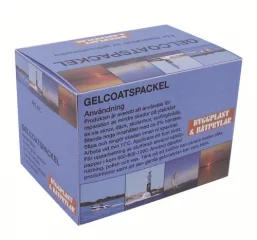
Gelcoat Filler
Gelcoat Filler is a putty for repairing surface damage to gelcoat layers. It is suitable for repairing minor damage, scratches and dents and enables a clean and durable finish when maintaining boats and other gelcoat surfaces.
Package contents
100ml putty in a metal jar
Hardener
Mixing cup
Stirring stick
Applications
Surface damage to gelcoat surfaces
Small dents and scratches on boats and other gelcoat surfaces
Instructions
Preparation
Carefully chamfer the edges of the damage.
Clean the repair area thoroughly with, for example, acetone.
Finish
Apply the mixed putty to the damaged area and let it harden.
Sand with wet sandpaper grits 600, 800 and 1200
Finish the surface with rubbing, polish and wax
Gelcoat Filler is an easy-to-use and reliable solution for discreet repair of gelcoat surfaces.
- Color: Off-white
- 100ml
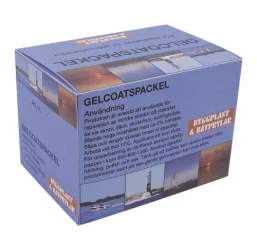
Gelcoat Filler
Gelcoat Filler is a putty for repairing surface damage to gelcoat layers. It is suitable for repairing minor damage, scratches and dents and allows for a smooth and durable finish.
Package contents
100 g of putty in a metal jar
Hardener
Mixing cup
Stirring stick
Applications
Surface damage to gelcoat surfaces
Small dents and scratches on boats and other gelcoat surfaces
Instructions
Preparation
Carefully chamfer the edges of the damage.
Clean the repair area thoroughly with, for example, acetone.
Finish
Apply the mixed putty to the damaged area and let it harden.
Sand with wet sandpaper grits 600, 800 and 1200
Finish the surface with rubbing, polish and wax
Gelcoat Filler is an easy-to-use solution for discreet and clean repairs to gelcoat surfaces.
- Color: Off-white
- 100ml
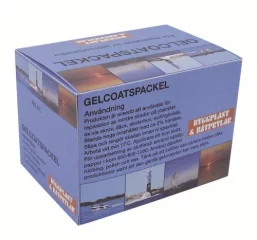
- Color: J3004 bone white
- 100g
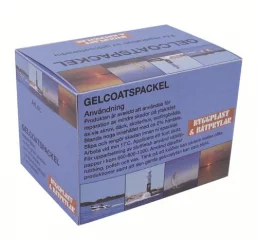
Gelcoat Filler
Gelcoat Filler is a putty for repairing surface damage to gelcoat layers. The product is suitable for repairing minor damage, scratches and dents and allows for a smooth and durable finish.
Package contents
100 g of putty in a metal jar
Hardener
Mixing cup
Stirring stick
Applications
Surface damage to gelcoat surfaces
Small dents and scratches on boats and other gelcoat surfaces
Instructions
Preparation
Carefully chamfer the edges of the damage.
Clean the repair area thoroughly with, for example, acetone.
Finish
Apply the mixed putty to the damaged area and let it harden.
Sand with wet sandpaper grits 600, 800 and 1200
Finish the surface with rubbing, polish and wax
Gelcoat Filler is an easy-to-use solution for clean and unobtrusive repairs to gelcoat surfaces.
- Color: J3008 Sail White
- 100ml
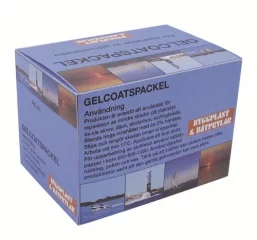
Gelcoat Filler
Gelcoat Filler is a putty for repairing surface damage to gelcoat layers. It is suitable for repairing minor damage, scratches and dents and helps restore the surface to a smooth and clean appearance.
Package contents
100ml putty in a metal jar
Hardener
Mixing cup
Stirring stick
Applications
Surface damage to gelcoat surfaces
Small dents and scratches on boats and other gelcoat surfaces
Instructions
Preparation
Carefully chamfer the edges of the damage.
Clean the repair area thoroughly with, for example, acetone.
Finish
Apply the mixed putty to the damaged area and let it harden.
Sand with wet sandpaper grits 600, 800 and 1200
Finish the surface with rubbing, polish and wax
Gelcoat Filler is an easy-to-use and effective solution for discreet repair of gelcoat surfaces.
- Color: J3009 dark yellow
- 100ml


