Ocean Signal rescueME PLB3 personal emergency beacon +AIS
- Personal emergency transmitter
- Satellite, Radar & AIS
- 3 year warranty
- Flashing light visible: High-intensity white LED (20-30 flashes per minute)
- Flashing light infrared: IR LED 850 nm (20-30 flashes per minute)
- Battery replacement interval: 6 years (lithium)
- Storage temperature: -30°C – 70°C
- Operating temperature: -20°C – 55°C
- Source: International Cospas-Sarsat Program - International COSPAS-SARSAT
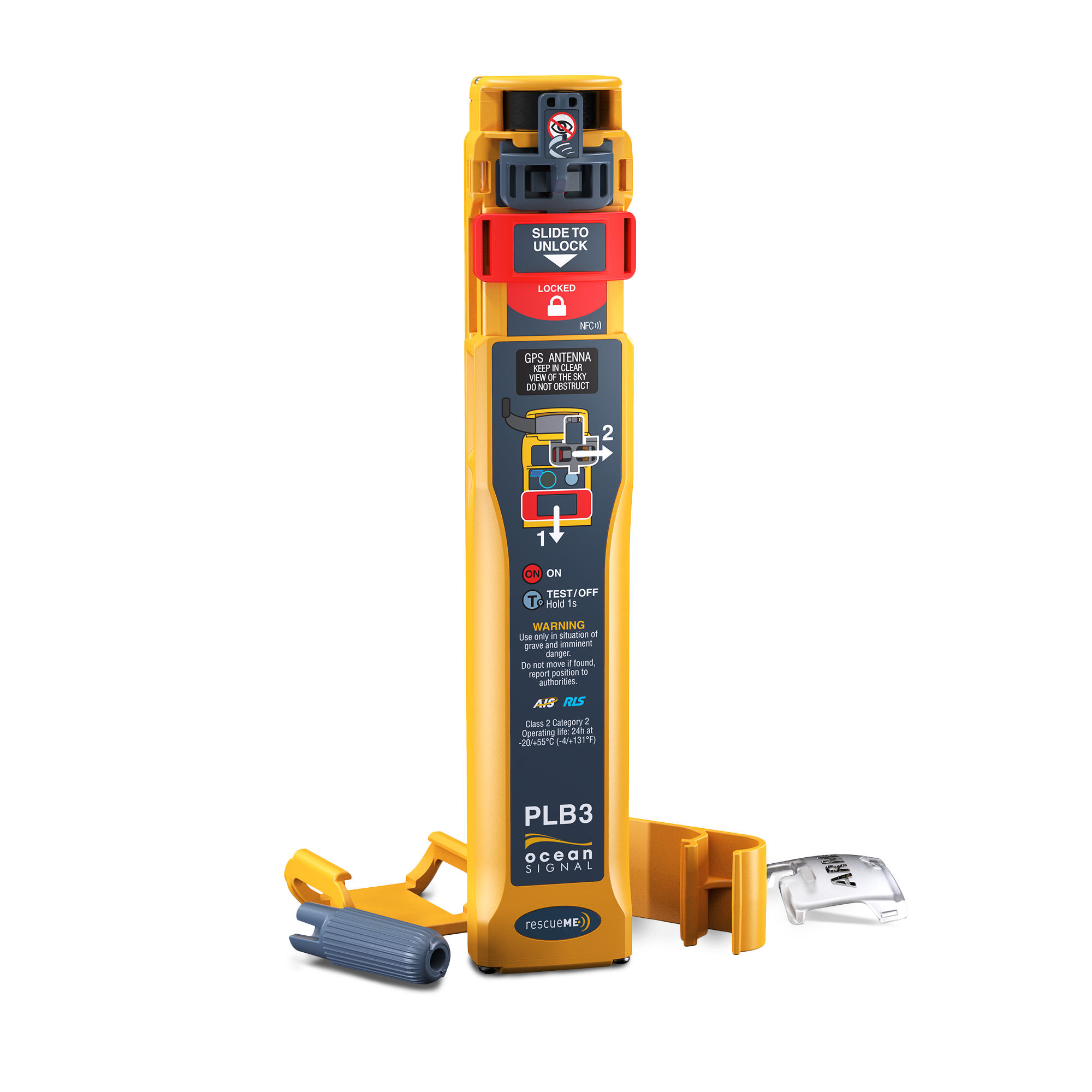
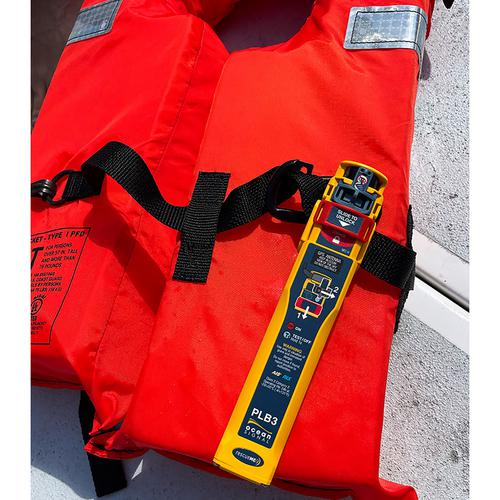
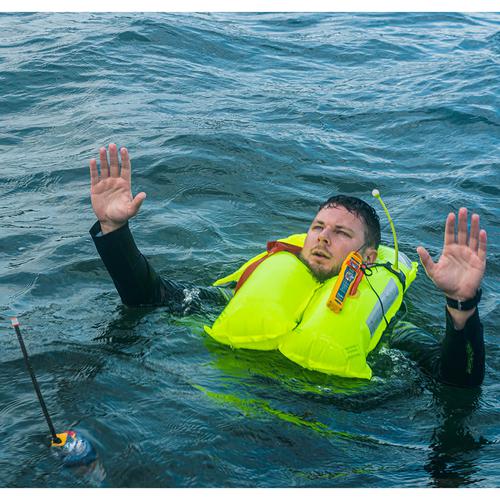
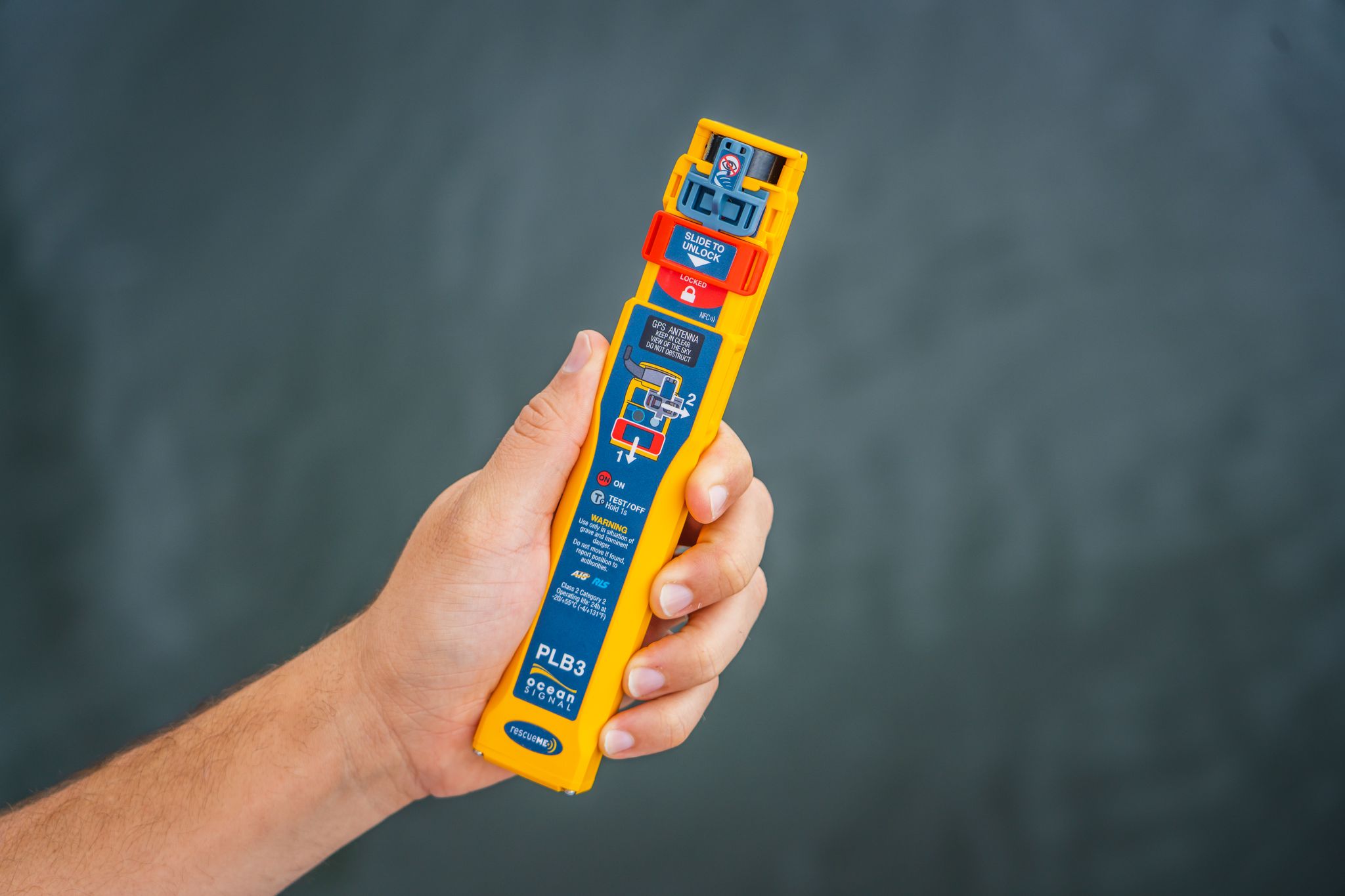
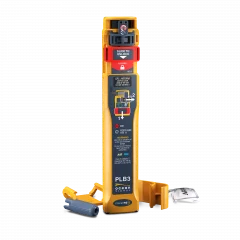
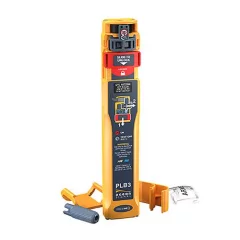
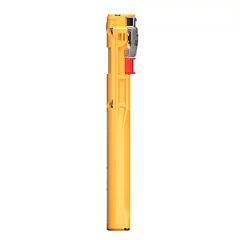
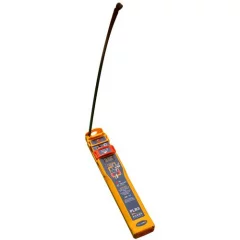
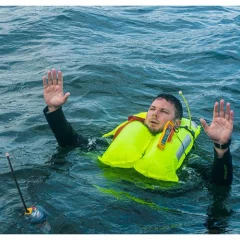
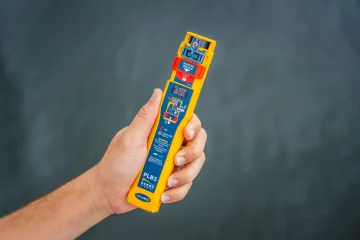
The test winner, Ocean Signal RescueMe PLB3 , is a personal satellite emergency beacon that also transmits a Man Overboard alert via the AIS system. When the beacon is activated, nearby vessels (with AIS) will see the beacon's location on their navigation display and are legally obliged to come to your aid. PLB stands for Personal Locator Beacon.
AIS has a limited range , especially when transmitting from the surface of the water, which is why this distress beacon also uses a satellite connection. When the distress beacon is activated, it also sends a distress signal via the Cospas-Sarsat system, which is a SAR (search and rescue) system. Before sending a distress signal, the satellites determine the location of the person in distress. The distress signal can be received by both satellites and ground stations with a precise location. The distress signal can be transmitted to rescue stations in over 200 countries. The distress beacon also has an RLS (Return Link Service) which provides confirmation that the distress signal has been received. This system is completely free to use and does not require a subscription, but the device must be registered.
Combining both local and global rescue capabilities for maximum safety, this emergency transmitter is a significant step forward in personal emergency transmitters. It is also NFC-compatible and can be paired with a smartphone. Other
Features
- 5-year battery life (24 hours active)
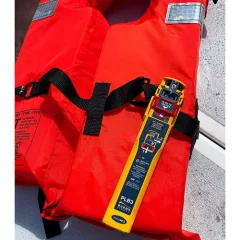
- Integration with inflatable life jackets
- Flashing light - also in infrared
- No subscription required
- 406 MHz Cospas-Sarsat distress signals (global coverage)
- AIS distress signals
- NFC connection to smartphone and free app
- RLS (Return Link Service)
- GNSS via GPS and Galileo systems
Did you know that Cospas-Sarsat uses over 65 satellites to detect distress signals around the world? In 2021, the system helped rescue 3,623 people in distress, 37% of whom were at sea*. The system also works on land.
Apply for a personal PLB permit from Traficom's website and provide the identification number from page 2 of the permit notification in the message field when ordering.
Tuotenr: 3891
Valmistajan tuotenr: 732S-03668
- Personal emergency transmitter
- Satellite, Radar & AIS
- 3 year warranty
- Flashing light visible: High-intensity white LED (20-30 flashes per minute)
- Flashing light infrared: IR LED 850 nm (20-30 flashes per minute)
- Battery replacement interval: 6 years (lithium)
- Storage temperature: -30°C – 70°C
- Operating temperature: -20°C – 55°C
- Source: International Cospas-Sarsat Program - International COSPAS-SARSAT
The test winner, Ocean Signal RescueMe PLB3 , is a personal satellite emergency beacon that also transmits a Man Overboard alert via the AIS system. When the beacon is activated, nearby vessels (with AIS) will see the beacon's location on their navigation display and are legally obliged to come to your aid. PLB stands for Personal Locator Beacon.
AIS has a limited range , especially when transmitting from the surface of the water, which is why this distress beacon also uses a satellite connection. When the distress beacon is activated, it also sends a distress signal via the Cospas-Sarsat system, which is a SAR (search and rescue) system. Before sending a distress signal, the satellites determine the location of the person in distress. The distress signal can be received by both satellites and ground stations with a precise location. The distress signal can be transmitted to rescue stations in over 200 countries. The distress beacon also has an RLS (Return Link Service) which provides confirmation that the distress signal has been received. This system is completely free to use and does not require a subscription, but the device must be registered.
Combining both local and global rescue capabilities for maximum safety, this emergency transmitter is a significant step forward in personal emergency transmitters. It is also NFC-compatible and can be paired with a smartphone. Other
Features
- 5-year battery life (24 hours active)
- Integration with inflatable life jackets
- Flashing light - also in infrared
- No subscription required
- 406 MHz Cospas-Sarsat distress signals (global coverage)
- AIS distress signals
- NFC connection to smartphone and free app
- RLS (Return Link Service)
- GNSS via GPS and Galileo systems
Did you know that Cospas-Sarsat uses over 65 satellites to detect distress signals around the world? In 2021, the system helped rescue 3,623 people in distress, 37% of whom were at sea*. The system also works on land.
Apply for a personal PLB permit from Traficom's website and provide the identification number from page 2 of the permit notification in the message field when ordering.
Tuotenr: 3891
Valmistajan tuotenr: 732S-03668

Suosittelemme sinulle


