A boat's steering
system is one of the most important factors in handling and ease of use. The
choice between mechanical cable steering and hydraulic steering directly
affects the driving experience, maintenance needs, and the ability to add an
autopilot later. An autopilot, meanwhile, is an electronic device that
automatically keeps the boat on a set course without continuous manual
steering, freeing the boater for other tasks on long passages.
What steering options are there for a boat?
A boat's steering
system transmits the movement of the wheel or tiller to the outboard motor or
rudder. There are two main types to choose from: mechanical cable steering and
hydraulic steering. Each has its own advantages and suitability for different boat
size classes.
Mechanical cable steering
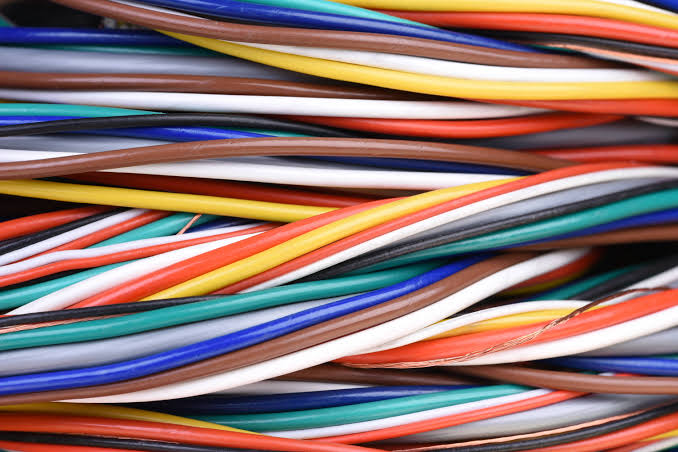
Mechanical cable
steering is a simple, cost-effective solution where the wheel's movement is
transmitted directly via a steering cable to the outboard motor or rudder. When
the wheel is turned, a rigid but flexible metal cable pushes or pulls the motor
in the desired direction.
Key
characteristics of cable steering:
Advantages: The
simple construction is reliable and less prone to faults. Installation costs
are low compared with hydraulic steering. Cable steering gives a direct,
tactile feel connected to the motor or rudder. Modern steering cables are
designed to reduce friction, making steering light on smaller boats.
Disadvantages:
Steering can become heavy at high speeds or with more powerful motors. The
cable wears over time and needs regular maintenance, such as lubrication. In
freezing weather, the cable can stiffen, making steering difficult. A broken
cable results in a complete loss of steering ability.
Suitability:
Cable steering is excellently suited to small and medium-sized motorboats with
an engine under 115 horsepower. It's also an economical choice for boats where
the run from the wheel to the motor is relatively short.
Hydraulic steering
Hydraulic
steering uses hydraulic pressure to transmit the wheel's movement to the rudder
or outboard motor. The system consists of a helm pump (behind the wheel), a
hydraulic cylinder, and hydraulic hoses through which the hydraulic fluid
moves. When the wheel is turned, the pump creates pressure that drives the
hydraulic fluid through the hoses to the cylinder, which turns the outboard
motor or rudder.
Key
characteristics of hydraulic steering:
Advantages:
Steering is light and consistent at all speeds and in all conditions. Hydraulic
fluid doesn't compress, eliminating lag and play in the steering. The system
withstands wear well and doesn't require constant maintenance. An autopilot
integrates seamlessly with hydraulic steering. Modern systems may include
power-assist steering, which further eases heavy turns.
Disadvantages:
The purchase price is higher than cable steering. A hydraulic fluid leak can
lead to steering failure, though this is rare in well-maintained systems.
Repairing the system on a trip is more challenging than with mechanical
steering.
Suitability:
Hydraulic steering is the best choice for medium and large boats and vessels
with powerful engines. It's excellently suited to boats where engine power
exceeds 100 horsepower or where an autopilot purchase is planned for the
future.
Comparison: Mechanical vs.
hydraulic steering
What is an autopilot and why do
you need one?
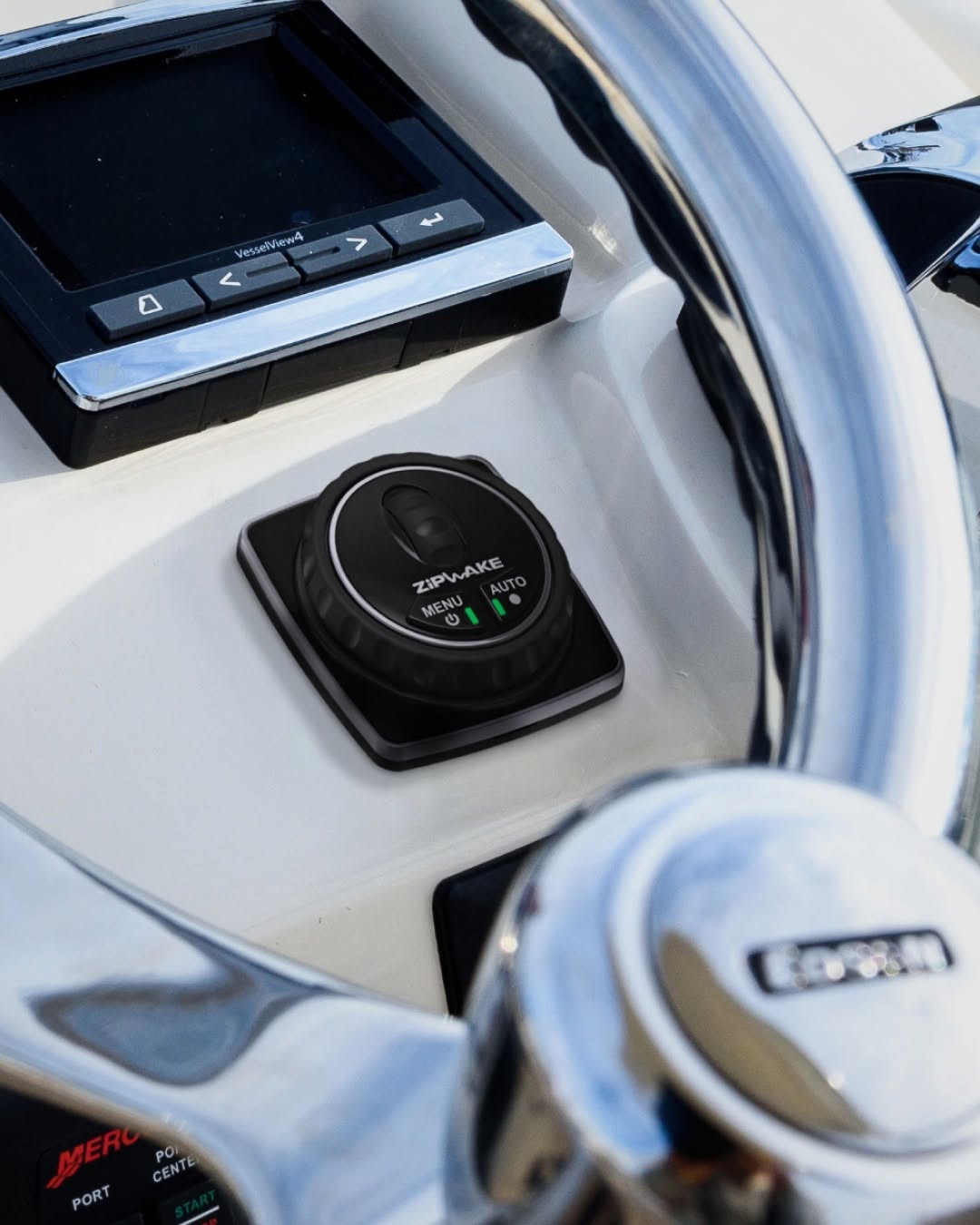
An autopilot is
an electronic navigation device that automatically steers the boat to a set
course without continuous manual steering. The system uses sensors, such as a
compass, gyroscope, and GPS, to keep the heading steady even in waves, wind, or
currents. Modern autopilots can adapt to sea conditions and steer predictively,
which saves fuel and reduces the boat's motion.
Key functions of
an autopilot:
Course holding:
The autopilot keeps the boat on the set compass heading, continuously
correcting for deviations caused by waves, wind, and current. This frees the
boater from manual steering and significantly reduces physical and mental
strain on long passages.
Route navigation:
Compatibility with a chartplotter enables automatic navigation between
waypoints. The autopilot automatically turns the boat toward the next waypoint
and signals as the destination approaches.
Special
functions: Modern autopilots offer special features such as trolling patterns
(S-turns, circle running), wind steering for sailboats, and a MOB (Man
Overboard) function for emergencies. Systems learn the boat's behavior and
optimize steering commands over time.
When is it worth getting an
autopilot?
An autopilot is
especially useful in the following situations:
Long passages: On
outings lasting over an hour, an autopilot significantly reduces fatigue. The
boater can focus on navigation, cooking, or simply enjoying the trip without
continuous steering.
Solo boaters: An
autopilot is nearly essential equipment for solo sailing, since it allows the
boat to be steered while the skipper handles other tasks such as sail trim,
anchoring, or navigation.
Trolling: For
anglers, an autopilot is an invaluable aid when you want to hold a specific
speed and run steady trolling patterns without constantly focusing on the helm.
Rough conditions:
In challenging sea conditions, an autopilot holds a course more precisely than
manual steering, reducing the boat's roll and improving comfort. Modern systems
with gyroscopic sensors react to waves predictively.
Autopilot types: tiller pilot,
wheel pilot, and hydraulic pilot
Autopilots fall
into three main types based on the boat's steering system. The right choice
depends on boat size, steering type, and intended use.
Tiller pilot
A tiller pilot is
mounted directly on a small boat's tiller. The unit is compact and easy to
install, making it a popular choice for small sailboats and rowboats steered by
tiller.
Suitability:
Sailboats under 30 feet with tiller steering. An affordable option for basic
navigation on inland and coastal waters.
Price range:
€400–900
Wheel pilot
A wheel pilot is
mounted directly on the steering wheel with a mechanical drive unit. An
electric motor turns the wheel according to commands calculated by the
autopilot's control software. The system suits medium-sized boats with cable
steering or light hydraulic steering.
Suitability:
25–40 foot motorboats and sailboats with a steering wheel. Works with both
cable and hydraulic steering.
Price range:
€800–2,000
Hydraulic pilot
A hydraulic pilot
connects directly to the boat's hydraulic steering system via a separate
hydraulic pump. The autopilot drives the pump, which moves the steering
cylinder the same way the wheel's pump does. This is the most powerful and
precise type of autopilot, suited to larger boats and demanding conditions.
Suitability:
Motorboats and sailboats over 35 feet with hydraulic steering. The best choice
for offshore cruising and long-distance sailing.
Price range:
€1,500–4,500 (pump and control unit)
Autopilot technologies:
fluxgate, gyro, and AHRS
An autopilot's
accuracy and performance depend heavily on its sensor technology. Development
has progressed from traditional magnetic compasses to smart, multi-function
sensors.
Fluxgate compass:
A traditional electronic compass that measures the direction of the earth's
magnetic field. A fluxgate compass is reliable, but suffers from lag and errors
caused by waves and acceleration. The compass measures heading about once a
second, which can lead to slow corrections in changing conditions.
Gyroscope (rate
gyro): An angular-rate sensor measures how fast the boat's heading is changing.
A gyro isn't affected by metal objects and reacts instantly to the boat's
motion, enabling fast, accurate steering. A gyro measures turn rate tens of
times per second, making it far faster than a fluxgate compass alone. The
combination of a gyro and a fluxgate compass gives the best result: the gyro
reacts quickly, while the fluxgate provides an absolute heading reference.
9-axis AHRS
(Attitude Heading Reference System): The top tier of modern autopilots uses an
AHRS system, which combines three gyroscopes, three accelerometers, and three
magnetic sensors (fluxgate). The system measures the boat's roll, pitch, and yaw in all three
dimensions. AHRS sensors use algorithms that fuse data from all nine sensors to
produce extremely accurate, interference-free heading data. For example,
Raymarine's Evolution series autopilots use the EV-1 AHRS sensor core,
technology borrowed from the aviation industry.
Modern systems
like Raymarine Evolution learn the boat's behavior and automatically adapt to
waves, wind, and currents. This can lead to fuel savings of up to 10–15%, since
the autopilot makes smaller, more precise correction movements than a human
can.
Autopilot selection criteria by
boat size
Autopilot choice
primarily depends on the boat's size, weight, and steering system. Too small an
autopilot can't control a large boat in rough seas, while too large and
powerful an autopilot on a small boat is an unnecessary expense.
The boat's weight
also affects the choice: a heavy displacement boat needs a more powerful
autopilot than an equally sized light boat. In addition, a sailboat typically
needs more steering force than a motorboat, since wind creates more resistance
on the rudder.
Autopilot installation and
compatibility
Installing an
autopilot requires careful planning and choosing the right components.
Successful installation depends on the steering system, the electrical system,
and integration with other devices.
Installation on cable steering
On cable
steering, an autopilot is installed by replacing the original steering cable or
steering drum with an autopilot-compatible model. For example, the Lowrance
Autosteer system uses a Helm-1 drive unit, which replaces the original
cable-steering drum and is compatible with Morse 290, Teleflex SSC52, and
similar cable steering systems.
Installation
steps:
1. Remove the
original steering drum
2. Install the
autopilot-compatible steering drum or drive unit
3. Attach the
steering cable to the drive unit
4. Connect the
electrical wiring and NMEA 2000 bus
5. Install the
heading sensor (fluxgate or AHRS) in a suitable location, away from metal
objects and sources of magnetic interference
Installation on hydraulic
steering
A hydraulic pilot
connects to the boat's hydraulic steering system via a separate reversible
pump. The pump is connected to the hydraulic system with T-fittings between the
helm pump and the steering cylinder. The autopilot's control unit (ACU) drives
the hydraulic pump electrically.
The choice of
hydraulic pump depends on the steering cylinder's volume. For example, the
Raymarine EV-100 suits 50–110 cm³ cylinders with a 0.5 l/min pump, while the
EV-150 requires a 0.5–1.0 l/min pump for 80–230 cm³ cylinders.
Installation
steps:
1. Install the
hydraulic pump in a suitable location near the steering cylinder
2. Connect the
pump to the hydraulic system with T-fittings
3. Fill the
system with hydraulic oil and bleed it carefully
4. Install the
control unit (ACU) in a suitable location
5. Connect the
electrical wiring and NMEA 2000 bus
6. Install the
AHRS sensor or heading sensor
7. Calibrate the
system per the manufacturer's instructions (sea trial run)
Integration with navigation
devices
Modern autopilots
integrate seamlessly with chartplotters, radars, and other navigation devices
via the NMEA 2000 bus. This enables automatic route navigation, where the
autopilot follows a route planned on the chartplotter and automatically turns
toward the next waypoint.
For example,
Raymarine's autopilots work seamlessly with Raymarine's chartplotters, radars,
and multifunction displays via the SeaTalkng network. Similarly, Garmin devices
communicate over the NMEA 2000 bus, and Lowrance systems support the Micro-C
network.
Autopilot use and maintenance
An autopilot's
longevity and reliable operation require correct use and regular maintenance.
Modern systems are largely maintenance-free, but a few important tasks ensure
optimal performance.
Calibration and sea trial
Calibrating the
autopilot is a critical step after installation. A sea trial is the process in
which the autopilot learns the boat's behavior at different speeds and turns.
During calibration, the boat is driven straight ahead at a constant speed, and
the autopilot records the boat's response to steering movements.
Calibration
should be redone if:
- The boat's load
changes significantly (e.g., full vs. empty fuel tank)
- The autopilot
starts steering inaccurately
- Changes are
made to the system (e.g., propeller replacement)
Regular maintenance
Electrical
connections: Check connections for corrosion at least once a season. Salt water
can cause oxidation, which degrades signal quality. Clean connectors as needed
and use contact spray for protection.
Hydraulic system:
On hydraulic pilots, check the hydraulic oil level and quality annually. Top up
oil as needed and bleed the system if the steering feels soft or uneven. Check
hydraulic hoses for leaks and wear.
Software updates:
Manufacturers regularly release software updates that improve autopilot
performance and fix any bugs. Updates are usually installed via a USB stick or
a wireless connection.
Sensor location:
Make sure the AHRS sensor or fluxgate compass stays away from metal objects and
sources of magnetic interference. Installing new equipment on the boat can
cause interference, in which case calibration should be redone.
Get the right steering system
and autopilot from Marinekauppa
Choosing the
right steering system and autopilot significantly improves your boating
experience. Mechanical cable steering suits small and medium-sized boats as an
economical, reliable solution, while hydraulic steering offers light, precise
control for larger boats and more powerful engines. An autopilot frees the
boater from manual steering on long passages, improving safety and comfort,
especially when solo sailing or trolling.
In Marinekauppa's
extensive range you'll find quality cable steering equipment, hydraulic
steering kits, and autopilots for every boat size class. Also check out our
remote-control equipment to complete your steering setup.
Need help
choosing the right system? Our knowledgeable staff will help you find the right
solution for your boat. Order
from our webshop or come visit our store!
Sources and further reading
Manufacturers and
technical data:
Raymarine –
Evolution Autopilot Systems: www.raymarine.com
Garmin Marine –
Reactor Autopilot Series: www.garmin.com/marine
Simrad Yachting –
Autopilot Solutions: www.simrad-yachting.com
Technical
standards:
NMEA 2000 –
Marine Electronics Standard: www.nmea.org
ISO 8848 / EN
28848 series – Safety standards for small craft remote steering systems
Industry
articles:
Venemestari
magazine: "A hydraulic autopilot for a motorboat": venemestari.fi
Inertial Labs:
"AHRS Technology Documentation": inertiallabs.com
|
Feature |
Mechanical cable steering |
Hydraulic steering |
|||
|
Price |
€300–600 |
€600–1,500 |
|||
|
Steering lightness |
Light on small boats, heavier at high speed |
Consistently
light in all conditions |
|||
|
Maintenance need |
Regular lubrication and inspection, cable
replacement every 5–10 years |
Minimal, annual
hydraulic fluid check |
|||
|
Reliability |
Very reliable
thanks to simple construction |
Reliable, but a leak can halt steering |
|||
|
Autopilot suitability |
Possible,
requires a special drive unit (helm-drive) |
Easy
integration, a hydraulic pump connects to the system |
|||
|
Best suited to |
Boats under 6m, engines under 115hp |
Boats over 6m, powerful engines, those
planning an autopilot |
|||
|
Cold-weather performance |
Cable can stiffen, steering becomes heavy |
Works flawlessly with the correct oil
viscosity |
|||
|
Boat size |
Recommended autopilot type |
Average price |
Example models |
||
|
Under 25 ft (7.5m) |
Tiller pilot or light wheel pilot |
€400–1,000 |
Raymarine ST1000+, Simrad TP10 |
||
|
25–35 ft (7.5–10.5m) |
Wheel pilot or hydraulic pilot (if hydraulic
steering) |
€1,000–2,500 |
Raymarine EV-100, Garmin Reactor 40, Simrad
AP24 |
||
|
35–50 ft (10.5–15m) |
Hydraulic
pilot or linear drive unit |
€2,000–4,000 |
Raymarine
EV-150, Garmin Reactor 40 Hydraulic, Simrad AP44 |
||
|
Over 50 ft (15m+) |
Powerful hydraulic pilot or rudder-shaft
system |
€4,000–10,000+ |
Raymarine
Evolution ACU-200, Garmin GHP Reactor, B&G systems |
||
Disclaimer
This guide provides general guidance only and does not replace the product manufacturer's operating, installation, or service instructions. Marinekauppa is not responsible for actions taken based on this guide or their consequences. Always check product-specific instructions and consult a qualified professional if needed.