An undersized wire heats up, causes voltage drop, and at worst poses a fire risk - so cable sizing shouldn't be left to guesswork.
Why wire gauge matters
A wire that's too thin heats up as current passes through it and causes voltage drop, which shows up as dimming lights or a sluggish-starting engine. On a boat the risk is greater, since vibration, moisture and temperature swings stress wiring more than a fixed installation.
What determines the right size
The correct gauge depends on three things: the current the device draws (in amps), the wire's length (the round trip from the battery to the device and back), and the allowable voltage drop. The longer the run or the higher the current, the thicker the wire needed to keep voltage drop in check.
Common rules of thumb
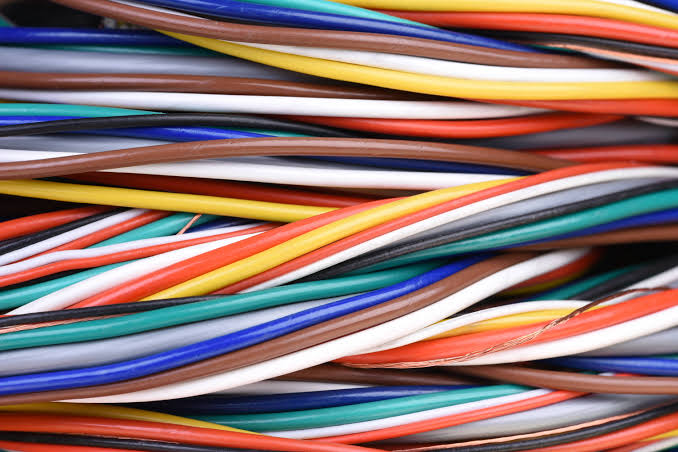
Marine wiring typically uses tinned, stranded copper wire, which withstands vibration and moisture better than solid-core wire. Devices that draw more current, such as anchor winches and bow thrusters, often need noticeably thicker wire than, say, lighting circuits.
Fuses and connectors
Every circuit should be protected by a correctly sized fuse matched to what the wire can safely carry - not the device's rated current. See our guide to wiring a boat battery for battery connections.
Summary
· Size the wire gauge based on current, distance and allowable voltage drop - don't guess.
· Use tinned, stranded wire made for marine use.
· Protect every circuit with a fuse sized to what the wire can carry.