Air valves
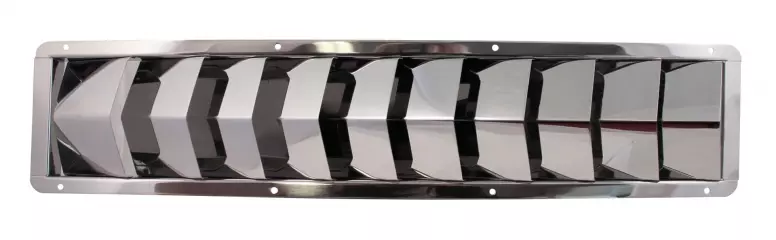
Air valves effectively improve the ventilation of your boat! Choose a high-quality air valve, cover valve or valve grille for your needs!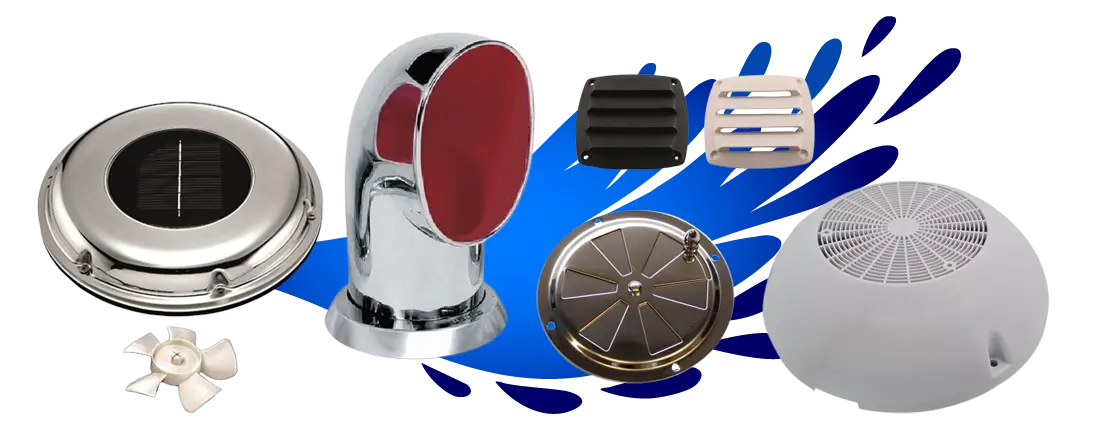
Product groups
Good ventilation is important for the comfort of the boat and the durability of the structures. Air vents, deck vents and solar cell vents prevent moisture accumulation, improve indoor air quality and prevent mold formation. Discover our selection!
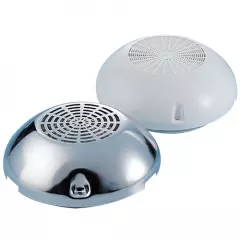
Air vent or ventilation valve : An air vent is a ventilation component that allows fresh air to circulate inside a boat. The function of an air vent is to reduce humidity, prevent mold growth, and improve air quality, especially in enclosed spaces. There are different types of air vents, and they can operate either with natural ventilation or with the help of a fan.
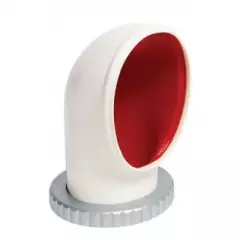
Deck valve: A deck valve is a ventilation valve, usually located on the deck or at the top of the hull. The main function of a deck valve is to allow ventilation into the cabin, bilge or storage spaces while preventing water from entering. Deck valves are often equipped with a wind deflector or are watertight to prevent rainwater or seawater from entering the interior of the boat.
Cover valves are available as open vent valves, closable valves, and one-way vent valves that let air out without letting water in.
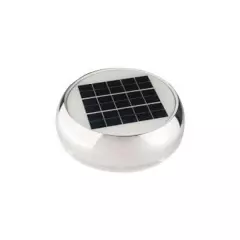
Solar cell vents : A solar cell valve is a solar-powered ventilation device that includes a small fan that circulates air between a cabin or other enclosed space and the outside air. A solar cell valve effectively improves ventilation even when the boat is closed and stationary, preventing moisture buildup and mold problems.
The main advantages of a solar valve are:
Automatic operation – works using sunlight without a separate power source.
Efficient ventilation – removes moisture and stale air more effectively than passive valves.
Easy installation – can be mounted on a deck or wall without complicated electrical installation.
Solar cell valves are manufactured as both exhaust valves that exhaust air and supply air valves that bring fresh air in.
How do air valves, lid valves and solar cell valves differ from each other?
All valves used on a boat improve the boat's ventilation and prevent moisture buildup, but their operation, location, and energy consumption differ.
An air vent is usually installed inside the hull of a boat. It can be located, for example, in a cabin wall, bilge, or engine compartment ventilation opening, and its main function is to allow air to circulate between the interior and exterior of the boat.
The deck valve is located on the deck or upper part of the hull of the boat. It is durable and waterproof to prevent water from entering the interior. The deck valve often acts as an enhancer of the natural flow of air, as its higher position takes advantage of the pressure differences between the inside and outside of the boat.
The solar cell valve is installed on the deck or on the wall of the boat. It removes moisture even when the boat is stationary in the harbor. The location of the solar cell valve depends on whether it is intended to produce fresh air entering or to remove humid air from inside the boat.
The air valve can operate either through natural ventilation (pressure differences and wind) or mechanically using a fan. The mechanical version can include an electric or solar-powered fan to enhance air circulation.
The deck valve is based entirely on natural ventilation and contains no mechanical parts. It can be equipped with a wind deflector to improve air movement in and out of the boat.
The solar cell valve is a mechanical valve with a built-in solar-powered fan that enhances moisture removal and ventilation in the boat. It does not require a separate electrical connection, but operates completely independently, powered by sunlight.
The cover valve is a completely passive ventilation solution that utilizes natural airflows and pressure differences. It is durable and maintenance-free, but its ventilation performance is completely dependent on weather conditions.
The solar cell valve is an active ventilation solution that removes moisture more effectively than passive valves. It also works when the boat is stationary, helping to keep the air fresh without constant manual ventilation.
An air valve is a versatile ventilation solution that can operate either naturally or mechanically. It is the most flexible option for different spaces, but its efficiency depends on the location and model.
How are ventilation valves maintained?
Regular maintenance of ventilation valves is important to ensure their functionality and prevent blockage. A well-maintained ventilation valve improves ventilation, prevents moisture accumulation and prevents unpleasant odors inside the boat. Maintenance should be done at least once a season, but especially before winter storage and at the beginning of the boating season.
Over time, the ventilation valve accumulates dust, salt residue, dirt and even insects, which can block the air ducts and impair ventilation.
Remove the valve, if possible, and clean it with a mild detergent solution.
Use a soft brush, cloth or compressed air to remove dirt without damaging the valve.
Make sure the air ducts are completely open and not blocked.
At the same time, check that there is no mold or moisture inside the valve, which could cause odors.
External cover valves and solar cell valves are prone to salt deposits, so it is a good idea to rinse them with fresh water regularly.
Some air valves have a closing mechanism that can be used to close the valve in high winds or rain, for example. These mechanisms can wear out or become stuck over time, so it is a good idea to keep them in good condition.
Apply a thin layer of lubricant (e.g. silicone spray or light machine oil) to moving parts, such as locking mechanisms and hinges.
Avoid heavy oils or greases that can collect dirt and dust.
Test that the valve moves smoothly and does not jam.
The function of the ventilation valve is to ensure fresh air circulation in the boat. A clogged or poorly functioning valve can lead to moisture buildup and poor ventilation.
Open the valve and make sure the air is moving freely. You can test the air flow by, for example, placing a light piece of paper near the valve and seeing if it moves.
If the valve does not seem to be working properly, check if the inlet or outlet channel is blocked.
Solar cell valve: make sure the fan is rotating normally and the solar panel is clean.
Ventilation valves installed on the boat deck or hull must be resistant to rain, splashes and salt water, and must not allow water to enter the boat.
Check the valve seals and sealing materials, such as rubber seals or silicone compounds.
If the valve leaks, replace the seals or add new sealant.
Cover valves often have a one-way flap or water control mechanism that prevents water from entering – make sure it is working properly.
Solar cell valves and other motorized valves should be checked especially at the end of the season, as prolonged moisture can weaken their tightness.
Before the start of the boating season: Check and clean all valves, test their function and make sure they are not damaged from winter.
Mid-season: Clean the valves a few times, especially if the boat is exposed to a lot of salt water or dusty environments.
Before winter storage : If necessary, remove the valves, clean them thoroughly and make sure they are in good condition before next use.
Boat air valves from Marinekauppa!
Properly selected and well-maintained air valves, deck valves and solar cell valves ensure efficient ventilation of the boat in all conditions. Good ventilation prevents moisture accumulation, improves indoor air quality and extends the service life of the boat's structures. Natural ventilation using deck valves, flexible use of traditional air valves and active moisture removal of solar cell valves offer a comprehensive solution to the boat's ventilation needs. Regular cleaning and maintenance guarantee the functionality of the valves and ensure that the boat remains fresh and dry season after season. Discover our selection!