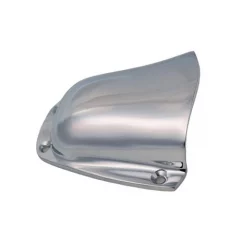
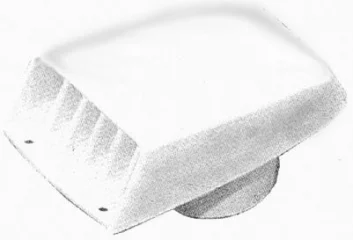
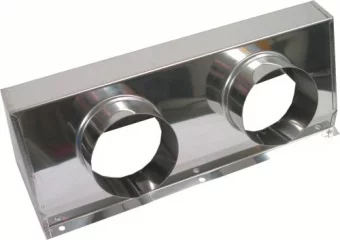
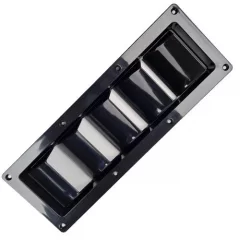
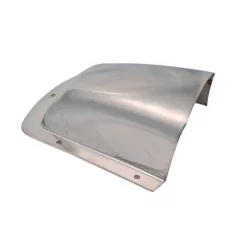
In the air intake valves product group you will find valves for ventilation of boat tanks and spaces: a white plastic air intake valve, a stainless steel model, a 140mm valve made of RST material, a 97x105mm air intake valve made of chrome-plated brass, a 335x120mm black valve and a separate valve housing made of black plastic for left-hand installation.
An air intake valve allows air into a closed space, such as a fuel or water tank, so that the tank does not create a vacuum when pumping out the liquid, and on the other hand it prevents moisture and seawater from entering the space from the wrong direction. The choice of material depends on the installation location and the hull material: stainless steel and chrome-plated brass are the best for continuous contact with salt water and are suitable for visible locations on the deck, while a plastic valve is a lighter and more affordable option for less visible or moisture-exposed locations. The size should be chosen according to the installation opening – a valve that is too small will not be enough to ventilate a larger tank, while a valve that is too large will not fit in a tight installation location. Check the valve's sealing ring during installation and replace it if necessary to ensure that the penetration remains watertight throughout its service life.
The direction of the air intake valve affects its function: the valve should be installed so that water cannot flow directly in, for example in waves or rain, so it is advisable to choose a location on the deck in a sheltered spot as much as possible. Chrome-plated brass is a popular choice for visible locations due to its elegant appearance, but it requires regular cleaning to remain shiny in a salty environment, unlike stainless steel, which retains its appearance with significantly less maintenance.
Plastic valves are lighter and easier to work with during installation, making them a popular choice for DIY installations where the installer does the work themselves without the help of a professional. The stainless steel valve housing allows the valve to be replaced without dismantling the entire installation, making maintenance significantly easier for years to come.
It is also a good idea to check the air intake valve at the beginning of winter storage so that the tanks do not remain tightly closed for a long time without ventilation.
The number of air intake valves you install depends on the size and purpose of your tank – larger tanks may need several valves to ensure adequate ventilation, while a smaller tank will do fine with one. It is a good idea to clean the valve regularly, as salt crystals and dirt can clog the small openings over time and reduce ventilation without any obvious signs of a problem until it is already too late.