Fuse Boxes and Holders
Fuse Boxes and Holders group products
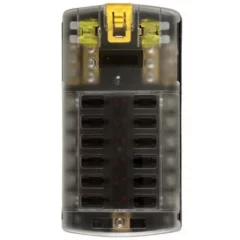
This fuse box from ProSupply is designed for up to 12 blade fuses. Each fuse has its own LED light that lights up if a fuse blows. This makes it easy to spot and repair a possible fault.
The product has a transparent protective cover and comes with stickers to mark what each fuse controls, making wiring management clearer and safer.
The fuse box is well suited for boats, motorhomes or other vehicles that require multiple electrical connections and want a clear overall solution for fuse management.
Specifications:
Maximum load: 100A (max. 30A per output)
Maximum voltage: 32V
- 12 fuses with LED light
- For blade fuses
- Maximum 100A (30A per output)

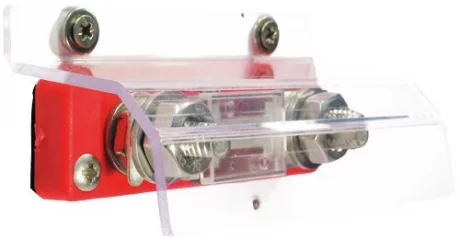
Clear polycarbonate protective cover for fuse holder.
- Clear protective cover
- For fuse holder
- Cover only, does not include holder or fuse
- Size 125x77mm

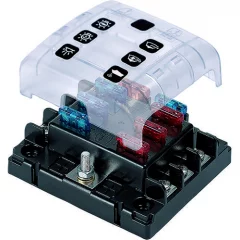
Fuse box designed for ATC fuses (flat models) with quick connection. Smart design allows easy access to the fuses.
Features
- Maximum current per fuse: 30A
- Maximum current per block: 100A
- Maximum voltage: 32V
- Spare fuse holder
- Sticker set included
- Dimensions: 80 x 90 x 47mm
- For blade fuses
- 6-seater
- 80 x 90 x 47mm

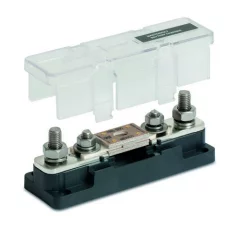
Fuse holder BEP designed for ANL and ANN, 8 mm and 10 mm fuses. Conductive parts are made of tinned copper. 8 mm bolts with double sockets also allow the use of fuses from other brands in the holder. 10 mm bolts for connecting the cable. Polycarbonate cover. Suitable for fuses with a current of 35–750A. Withstands up to 50V. Dimensions: P147 x L49. BEP Pro Installer is a completely new concept for electrical installations on boats. The connection pieces allow Pro Installer components to be connected without cables, making installations more durable, neater and more compact.
• For ANL fuse
• Max 750A
• Max 50V
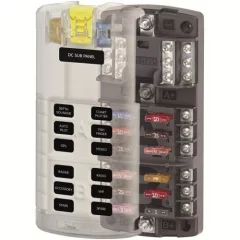
Fuse box for flat fuses. Transparent cover with space for identification labels (included in the package). Surface-mounted connections and separate negative plate. Max 30A fuses per circuit and max 100A per box. Each group of fuses has its own inputs. Voltage: maximum 32 volts. Current: max 30A/fuse and max 100A/fuse socket.
- Tinned connections
- Max 30A/fuse
- Max 100A/fuse box

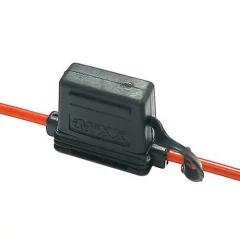
- For MIDI blade fuses
- Up to 58V
- 500mm cable
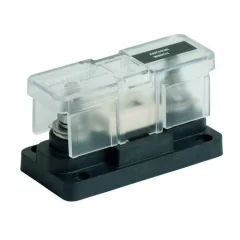
BEP fuse holder for use with ANL and ANN fuses, 8mm and 10mm fuses. 8mm bolts with double washers mean that the holder can also accommodate other brands of fuses. Polycarbonate cover. BEP Pro Installer is a completely new concept for marine electrical installations. Link arms allow Pro Installer components to be connected to each other without cables, making installations more durable, cleaner and more compact. Perfect for marine environments.
• For 300A fuses
• Handles up to 50V
• Dimensions: L98 x W49
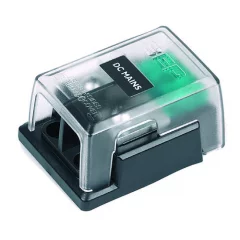
Fuse holder for BEP MAXI fuses. Ideal for, among other things, attaching the outgoing cable from the battery charger. 6 mm terminals for cables up to 25 mm² (can be installed with ring cable lugs). The fuse holder is made of tinned brass for the best contact surface. Protective cover made of polycarbonate.
• For Maxi fuses
• Cables up to 25mm²
• 71x53x36mm
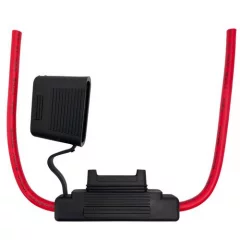
Hanging fuse for BEP Maxi fuses. Perfect for installations in tight spaces and where the fuse needs to be installed in line with the cable.
• For Maxi fuses
• Perfect for tight spaces
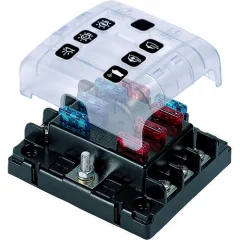
Fuse box for ATC fuses (flat pin) with screw connections from BEP. Smart design that provides easy access to the fuses.
• Maximum current per fuse: 30A
• Max current per block: 100A
• Max voltage 32V
• Spare fuse holder
• Sticker set included
• Dimensions: 80x90x47mm
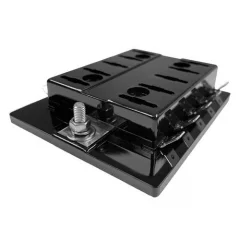
Fuse box with positive (+) input and space for 10 flat-pole fuses, maximum 25A/output.
- Max 25A/piece
- Voltage: 12V
- Width: 85mm
- Depth: 95mm
- Height: 20mm
- Input power bolt: M5
- Screw holes: 4 x 5mm
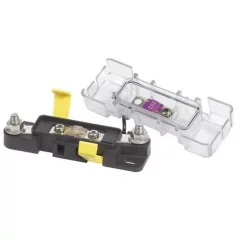
Fuse holder with gas-tight protective cover. Mounted on the main fuse, e.g. main switch, bow thruster or fan. Tin-plated. Reduces the risk of cable fire.
- For MIDI fuse
- Max 200A
- Holder
- Current: 30-200A
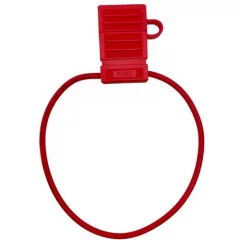
BEP waterproof MIDI fuse holder ATC 22mm², 15A MIDI fuse.
The cable length is 27cm and can be cut at any installation location.
- Water resistant
- Flat pin MIDI
- 15A fuse included
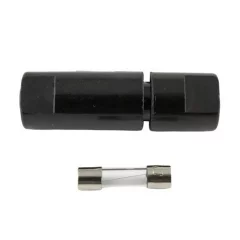
Hanging fuse holder with bayonet mount.
• Bayonet mount
• For glass protection
• Glass for fuse 5x20mm
• 2A
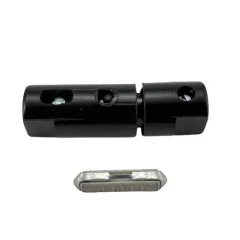
Fuse holder with bayonet mount.
• Bayonet mount
• For porcelain fuse
• For fuse 6x25mm
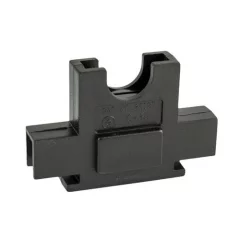
Black plastic hanging fuse holder for MIDI fuses. Holds up to 20 amps
• For blade fuses
• Maximum current: 20A
• Can be connected together
• Length: 45mm
• Width: 8mm
• Height: 30mm
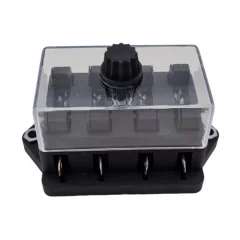
Black plastic, transparent cover. Intended for blade fuses.
• 4 fuse slots
• Length: 86mm
• Width: 53mm
• Height: 58mm
• CC dimension: 78mm
• Screw hole: 4mm
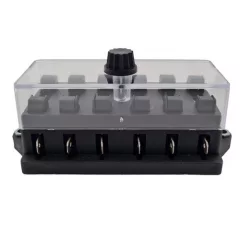
Black plastic, transparent cover. Intended for blade fuses.
• 6 fuse slots
• Length: 115mm
• Width: 52mm
• Height: 50mm
• CC dimension: 107mm
• Screw hole: 4mm
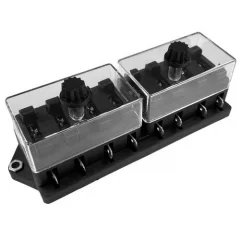
Black plastic, transparent cover. Intended for blade fuses.
- Length: 152mm
- Width: 53mm
- Height (with cover and screws): 52mm
- Screw hole: 3.9mm
- Screw hole CC: 143mm
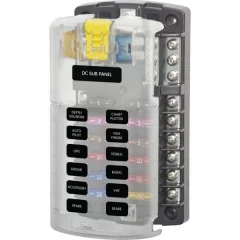
Combines power distribution and line fuses in the same box
• Positive rail equipped with #10-32 pin
• Can be used for 24-hour circuits
• Available in models with or without a lid
• The cover meets ABYC/USCG requirements for insulation and includes an easy-to-open push-button cover that protects the fuses, a slot for two spare fuses, and a label recess that accommodates a Blue Sea Systems Small Format label for easy circuit identification
• Fuse boxes with lids contain 20 labels on which you can write the name of the circuit
• Tinned copper busbar and fuse holders
• Possibility to use ring or fork connectors
• Suitable for fast blade fuses (ATO® and ATC®)
• Fuses available separately
- Number of circuits: 12
- Maximum current: 100A per box | 30A per circuit
- Maximum voltage: 32V DC
- Installation: M4 screws
- Negative rail: #10-32 pin
- Positive rail: #10-32 pin
- Recommended tightening torque: 2.71 Nm
- Screw connection tightening torque: 1.69 Nm
- Screw connection type: #8-32 screws with star washer
- Weight: 0.34 kg


