On-Board Electrics
Venesähköt on tärkeä osa veneen toimivuutta. Kun tarvitset luotettavia sähkökomponentteja, löydät suosituimmat varaosat ja tarvikkeet 12V ja 24V järjestelmiin Marinekaupasta.
Tuoteryhmät
Marine electrical systems refer to the electrical setup designed for boats, including all components and electrical accessories that ensure safe and efficient use of electricity onboard. This covers everything needed to start the engine, support navigation, provide lighting, power safety equipment, and run comfort features such as refrigerators and entertainment systems.
Marine electrical systems differ significantly from land-based systems, as power generation, storage, and distribution onboard operate independently without a constant connection to an external power grid.
Boat electrical accessories are devices and components related to the electrical system that enable functionality, safety, and usability onboard. They include everything from power generation and distribution to devices that support comfort and everyday use.
The range of boat electrical accessories is wide and covers many areas of boating. Common examples include:
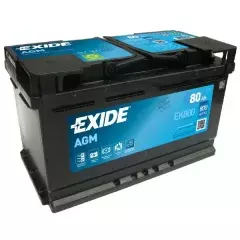
Boat batteries:
Starter batteries for engine ignition
Deep-cycle batteries (house batteries) for electrical equipment such as lighting and refrigerators
Solar panels and wind generators:
Additional power sources used to charge batteries
Chargers and inverters:
Chargers keep batteries charged using shore power or a generator
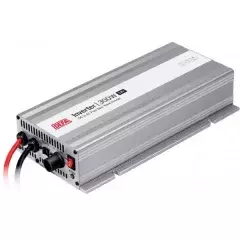
Inverters convert DC power (12 V / 24 V) into AC power (230 V) for household appliances
Navigation lights:
Required lights for safe movement at night and in poor visibility
Interior lighting:
Lights for cabins, galleys, and storage areas
Work and spotlights:
Powerful outdoor lights for deck work or illuminating specific areas
Cables:
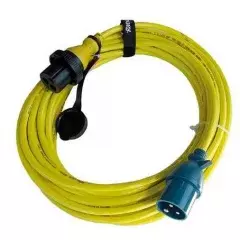
Marine-grade cables designed to withstand moisture and vibration, used to carry power to devices
Connectors and switches:
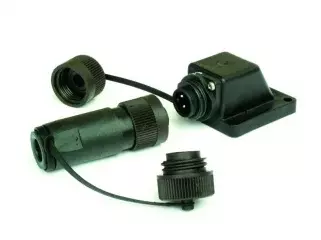
Waterproof and splash-resistant connections and switches for safe operation
When choosing electrical accessories for your boat, it is important to consider factors that affect performance, safety, and durability.
Voltage: Ensure compatibility with your system (typically 12 V or 24 V). Incorrect voltage can damage equipment or reduce performance
Battery capacity: Accessories must not draw more power than the batteries can safely provide
Connections: Ensure compatibility with existing wiring and connection points
Boat electrical accessories must withstand harsh marine conditions:
Water resistance: At least splash-proof (IP44 or higher)
Saltwater resistance: Corrosion-resistant materials such as stainless steel or anodized coatings
Vibration resistance: Must handle constant movement
Temperature tolerance: Reliable in both hot and cold environments
Safety is critical in marine electrical systems:
IP rating: Ensure adequate protection (e.g. IP67 for dust-tight and temporary immersion)
Overload protection: Built-in protection against overloads and short circuits
Standards: Compliance with CE, ISO, or other relevant certifications
Installation safety: Clear instructions or professional installation if needed
Energy efficiency is essential due to limited onboard power:
Energy efficiency: Choose low-consumption devices (e.g. LED lights vs halogen)
Usage time: Evaluate impact on battery life
Monitoring: Use battery monitors to track consumption
User interface: Clear switches, displays, or control panels
Maintenance: Easy access for inspection and servicing
Automation: Automatic features can reduce workload
Well-chosen electrical accessories improve functionality, safety, and comfort onboard. By considering the above factors, you ensure compatibility and long-term reliability.
Voltage:
Typically 12 V or 24 V DC
Some boats also use 230 V AC via inverter or shore power
Power sources:
Batteries charged by engine alternator, solar panels, wind generator, or shore power
Usage:
Engine starting, navigation, lighting, safety equipment (e.g. bilge pumps), and comfort systems
Marine suitability:
Designed to withstand moisture, saltwater, vibration, and extreme temperatures
Autonomy:
Must function independently without constant external power
Functionality:
Enables engine operation, navigation, and onboard systems
Safety:
Powers critical equipment such as bilge pumps, navigation lights, and emergency radios
Comfort:
Supports lighting, refrigeration, and entertainment
Independence:
Allows extended operation without shore power
Boat electrical accessories such as lights, gauges, battery chargers, and cables are essential for safe and comfortable boating. Marine electrical systems differ from standard electrical systems in voltage, environmental resistance, and independent power supply.
Proper installation requires careful planning, quality components, and regular maintenance to ensure reliable operation on the water.