Fuses
A versatile selection of different boat fuses, including blade fuses, automatic circuit breakers, and glass tube fuses.Fuses group products
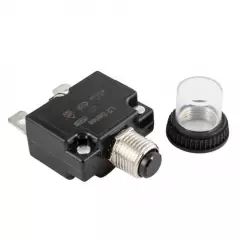
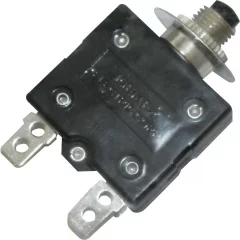
Automatically breaks the circuit in the event of a short circuit or overload. Can be switched on again.
- Available 3-20A
- Automatic fuse
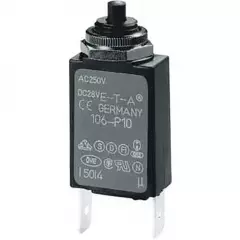
Compact automatic fuse that cuts off the current in the event of an overload. Suitable for compact fuse panel models.
See the picture for more detailed measurements.
- Automatic fuse
- Compact size
- Available in 5A, 10A and 15A
- Length: 44.1mm
- Width: 19mm
- Height: 11mm
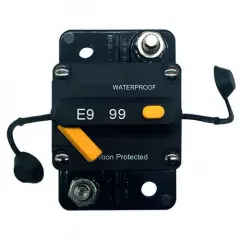
A handy circuit breaker with two functions, fuse and power switch in one unit. Clearly indicates when the fuse has tripped. Spark-proof and therefore suitable for installation in the engine compartment. For surface mounting with 1/4" connections. Easy to restore operation after tripping.
- Easy recovery after tripping
- Available 25-150A
- IP67 rated / spark proof
- Width: 48.20mm
- Length: 74mm
- Depth: 36.70mm
- Maximum voltage: 48V
- Certificates: SAE J1625 / ABYC E-11 / SAE J1171 / UL 1500 / ISO8846

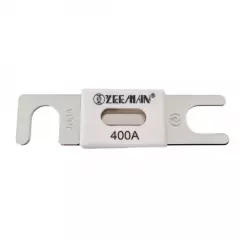
Mega L fuse ProSupply. Suitable for protecting high-power devices such as bow thrusters and anchor winches. The fuse is attached with two M10 nuts. Maximum voltage: 32V DC. Note! Fuse holder sold separately!
- Several different sizes
- Fits Fuse Holder Mega (71581)
- ANL high current fuse
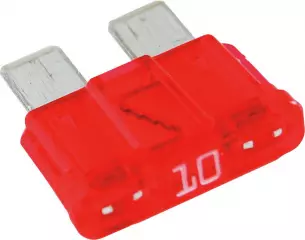
Fast acting fuse type is ideal for protecting electronic devices. Standard overcurrent protection solution in vehicles and trucks. Tin plated terminals, corrosion resistant solution. Sales package contains 2 fuses.
- Breaking current: 2-30A
- Maximum voltage: 32V DC
- Current insulation capacity: 1000A
- Weight: 0.01 kg

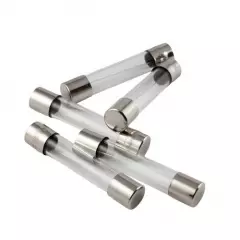
Glass fuse 5x20mm. Sold in packs of 5.
- Glass fuse
- Available 2-15A
- Length: 20mm
- Diameter: 5mm
- 5pcs/pack
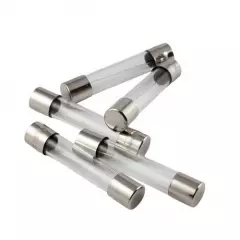
Glass fuse 6.3x32mm. Sold in packs of 5.
- Glass fuse
- 1-15A
- Length: 32mm
- Diameter: 6.3mm
- 5pcs/pack
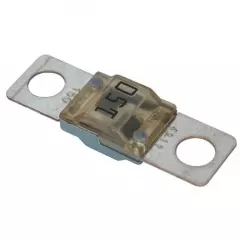
Fuse holder with gas-tight protective cover. Mounted on the main fuse, e.g. main switch, bow thruster or fan. Tin-plated. Reduces the risk of cable fire.
- 30-150A
- Midi fuse
- Tinned
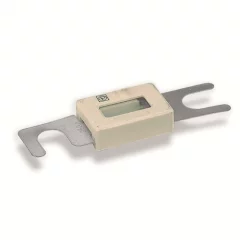
Corrosion-resistant fuse, time-delayed action, withstands current peaks of up to 3000 A. The fuse is tin-plated and has an optical indicator of the fuse status.

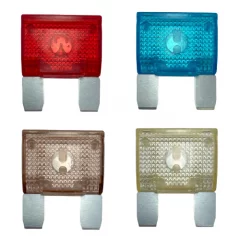
Corrosion-resistant MAXI fuse from BEP. Time-delayed action, can handle 1000 A surges. Tested twice before delivery.
Clear optical fuse status indicator. Max 32 volts Can only be installed in BEP MAXI fuse holders.
Package contains 1 fuse.
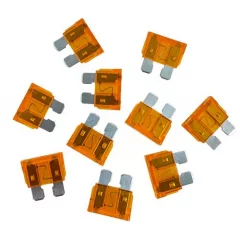
MIDI Flat pin fuses that can withstand a maximum voltage of 32 V DC.
• MIDI fuses
• 10pcs pack
• 5A
• Width: 18.8mm
• Depth: 5mm
• Height: 18.7mm
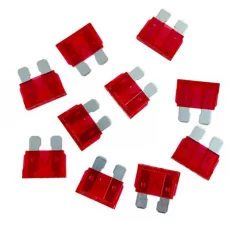
• 10pcs pack
• 10A
• Width: 18.8mm
• Depth: 5mm
• Height: 18.7mm

• 10pcs pack
• 15A
• Width: 18.8mm
• Depth: 5mm
• Height: 18.7mm
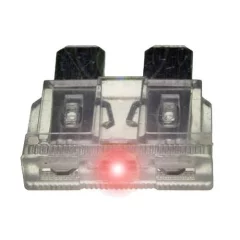
Smart flat fuse with built-in LED light.
When a fuse blows, the LED light turns on, making it easier to identify a blown fuse.
- MIDI fuse
- Built-in LED
- 25A
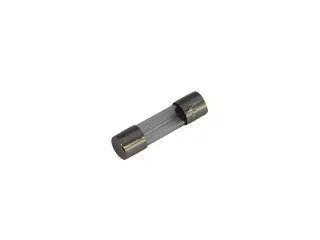
- Traditional tube fuse
- 4pcs
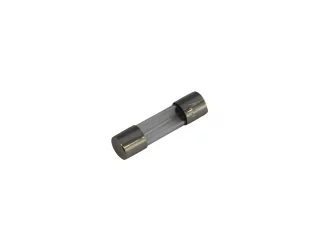
- Traditional tube fuse
- 4pcs
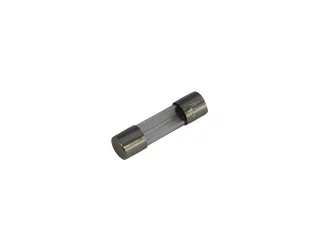
- Traditional tube fuse
- 4pcs
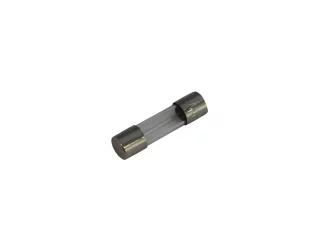
- Traditional tube fuse
- 4pcs
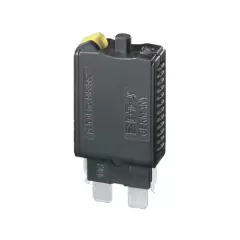
- Blade fuse
- Automatic


