Hydraulic control devices
Hydraulic control packages, hydraulic hoses and hydraulic oils.Product groups
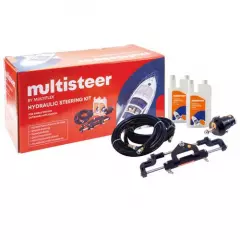
Hydraulic steering is a boat steering system that uses hydraulic pressure to transmit steering wheel movements to the rudder or outboard motor. A boat's hydraulic steering consists of main components, such as a steering pump (located behind the hydraulic steering wheel), a hydraulic cylinder, and hydraulic hoses through which the hydraulic fluid is transferred. The system is common on medium-sized and large boats, as well as boats with powerful engines. Check out our selection!
Hydraulic steering offers many advantages, especially on larger or high-performance boats. Hydraulic boat steering reduces the force applied to the steering wheel, making steering lighter and more precise. Compared to mechanical steering systems, hydraulic boat steering operates more smoothly and is less prone to wear and tear, as it does not use cables or gears that require constant maintenance.
Hydraulic boat steering is especially useful when greater steering force is required. Mechanical systems can become heavy at high speeds, while hydraulic steering maintains steering precision and comfort at all speeds. It also improves safety and control, which is important in bad weather conditions or when navigating narrow waterways.
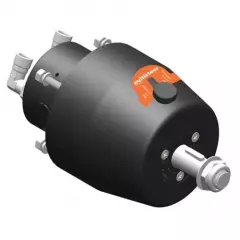
A boat's hydraulic steering system works by using hydraulic fluid to transmit power from the steering wheel to the rudder or outboard motor. When you turn the steering wheel, the wheel engages a steering pump. This pump creates pressure that directs hydraulic fluid through hoses toward a hydraulic cylinder. The cylinder receives the pressure and converts it into mechanical motion that turns the outboard motor, rudder, or trim tabs in the desired direction.
The boat's hydraulic steering system has two hoses, one of which transmits hydraulic fluid pressure and the other returns the fluid back to the pump. Steering is smooth and precise because the hydraulic fluid is not compressed, eliminating delays and possible wobbles.
Modern boat hydraulic steering systems may include additional features such as power steering to make heavy turns easier or an autopilot system that integrates seamlessly with the hydraulic steering.
Hydraulic boat steering is an excellent choice when engines are powerful or precise and light steering is required. Hydraulic boat steering provides smooth performance, reduces physical strain and improves boat control in all conditions. The system is long-lasting and requires relatively little maintenance, making it a reliable option for many boaters.
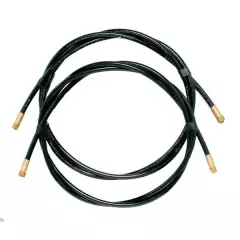
A hydraulic hose is an important component in a boat's hydraulic steering system, transporting hydraulic fluid under pressure between various components, such as the pump, cylinder, and valves. On a boat, hydraulic hoses are also used in trim and lifting mechanisms. Hydraulic hoses are made of strong and flexible material, such as rubber or synthetic compounds, and reinforced with metal layers to withstand high pressure and wear.
The service life of hydraulic hoses depends on their quality, intended use, installation conditions and environmental influences, such as salt water. However, hydraulic hoses should be replaced in certain situations:
Visible damage to the hydraulic hose : If the hydraulic hose shows cracks, bulges, tears or wear, this is a sign of material deterioration. Such damage can lead to a hydraulic hose leaking or breaking.
Leaks : Hydraulic fluid leaks are a clear sign of a damaged hose.
Pressure Losses : If your boat's hydraulic steering system experiences unusual pressure losses, the hydraulic hose may be clogged or worn, reducing its performance.
Aging : Hydraulic hose materials harden and become brittle over time, especially when exposed to UV radiation, heat or salt water. The recommended replacement interval is usually 5-10 years, even if there is no visible damage.
Abnormal System Behavior : If the boat's hydraulic steering or other hydraulic system responds slowly or inaccurately, it may indicate internal hose damage or blockage.
Installation errors or mechanical stress : If the hose is installed incorrectly and is constantly bent, twisted or rubbed, it will wear out faster.
Failure to replace a hydraulic hose can lead to serious problems. A leaking or broken hydraulic hose can cause a loss of pressure in the hydraulic system, causing the boat's steering system to stop working, for example. This can be dangerous, especially at high speeds or in difficult conditions. In addition, leaked hydraulic fluid can cause environmental damage and mess up the boat's structures.
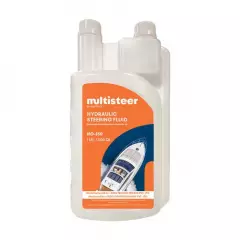
Hydraulic oil is a fluid used in hydraulic systems to transmit power, regulate temperature, and lubricate parts. Hydraulic oil carries energy from pumps and valves to hydraulic cylinders and other components. In boats, hydraulic oil is commonly used in the boat's hydraulic steering systems, trim and lifting mechanisms, and other hydraulic systems.
A good hydraulic oil fulfills several important functions:
Lubrication : Reduces friction and wear in components of a boat's hydraulic steering or other hydraulic system.
Temperature control : Hydraulic oil transfers heat away from system components and prevents overheating.
Pollution removal : Binds and transports contaminants out of the system, preventing their accumulation and damage.
Hydraulic oil is usually composed of petroleum-based fluids, but it can also contain additives such as corrosion inhibitors, foam inhibitors and oxidation inhibitors. Hydraulic oil can be mineral oil, synthetic oil or even biodegradable oil, which is a more environmentally friendly option.
Changing the hydraulic oil is important to ensure the longevity and functionality of the system. The frequency of changing the hydraulic oil depends on the operating conditions of the boat, the quality of the oil and the intensity of use, but in general, it is worth changing the hydraulic oil in the following situations:
Hours of Operation : Most manufacturers recommend changing hydraulic oil after a certain number of hours of operation, usually every 100-200 hours. Check your boat's instructions as more frequent changes may be necessary under heavy use.
Color and Contamination : If the hydraulic oil becomes dark, cloudy, or contains impurities such as metal flakes or dirt, it indicates that the oil has lost its lubricating properties and may be damaging the hydraulic system. Contamination can also indicate leaks or internal problems in the system.
Oil Oxidation : Hydraulic oil oxidation can occur over time, especially in high temperatures or poor storage. Oxidizing hydraulic oil loses its effectiveness and can cause corrosion and other damage. If the oil appears cloudy, clearing it often indicates signs of acidification.
Oil composition changes : If the hydraulic oil seems to thicken or its viscosity changes, it can affect the pressure and operation of the system. This can lead to increased stress on the pump and other components.
System Malfunctions : If your boat's hydraulic steering or other system exhibits performance degradation, such as slow or imprecise steering, it may indicate outdated oil.
Hydraulic oil is an essential part of your boat's hydraulic system, and changing it regularly will ensure efficient operation and a long service life. Change the oil if it becomes cloudy, appears contaminated, or if you experience problems with the system. Changing your hydraulic oil is a maintenance procedure that can prevent costly repairs and improve your boat's performance.