Boat toilets: chemical toilet, electric toilet and water toilet
What is an electric toilet best suited for?
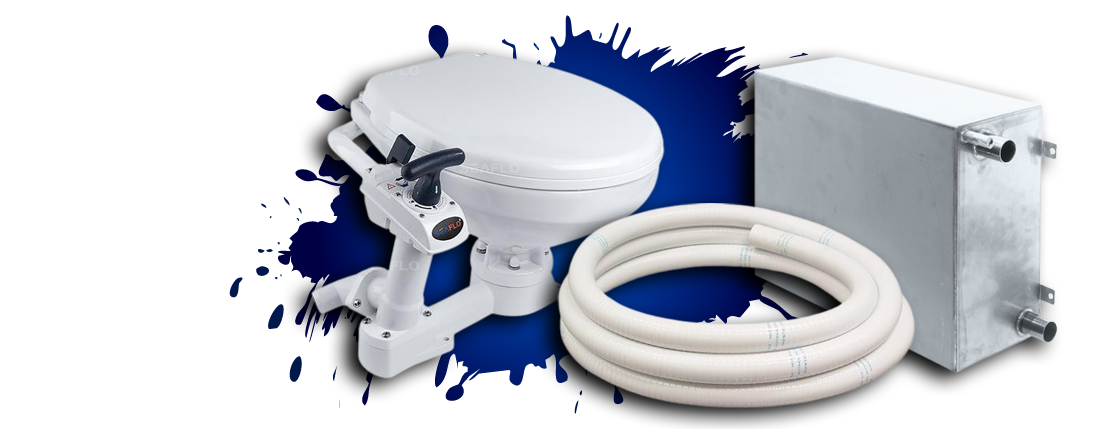
A boat toilet is a toilet system designed for a boat and adapted to the specific conditions of boating, such as limited space, a mobile platform and use near water. Boat toilets can be simple, such as portable chemical toilets, or fixed systems that include flushing water, tanks and electricity. Discover our boat toilet range!
A boat toilet differs from a home toilet system in that it can operate on all types of vessels, in all types of weather. The most important differences are:
- Compact design: Boat toilets are designed to fit into the small spaces of boats. They are significantly smaller than standard toilets and do not take up too much valuable space.
- Stability: The structure of a boat toilet is designed to withstand the tilting of the boat and the movement caused by waves. Fixed toilets are securely mounted to the structure, and portable toilets have anti-slip pads to keep them in place even in rough seas.
- Comfort on the move: Some models have accessories, such as handles, that make using the toilet safe even in rough seas.
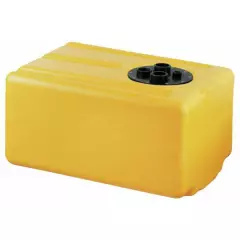
- Waste treatment: Unlike a home toilet system that is connected to the municipal sewer system, a boat toilet collects waste in a septic tank .
- Emptying: Septic tanks must be emptied at emptying points located in ports, while chemical toilets can be emptied into appropriate waste containers on land.
- Most marine toilets use seawater for flushing, conserving the boat’s limited freshwater reserves. This is especially important during long voyages.
- However, using seawater requires regular cleaning of the system to prevent salt buildup.
? Alternative Water Systems:
- Some modern models use freshwater, which can reduce odors and reduce salt buildup in the system.
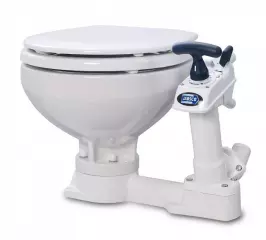
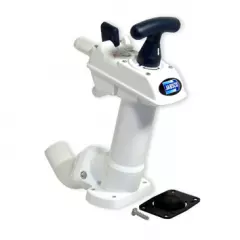
- The user flushes the boat toilet with a hand-operated pump that transfers the flush water to the toilet bowl and removes the waste to the septic tank.
? Electric Toilet :
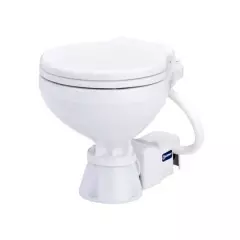
- A motor takes care of the flushing and waste transfer. Electric toilets are easy to use and convenient, but require support from the boat’s electrical system.
? Chemical Toilet :
- Works without water or electricity. Chemical toilets use chemicals to control odors and promote decomposition of waste. This makes them excellent solutions for small boats and short trips.
- Chemical toilets are often portable, meaning they can also be used outside the boat, such as when camping on the beach.
? Installation freedom: Portable toilets do not require a permanent installation.
? Use as a fixed system: Permanently installed boat toilets offer more convenience, but they require a septic tank and plumbing.
A boat toilet differs from a regular toilet due to its smaller space requirements, special design solutions required by a mobile environment, and an independent waste management system. It is designed for boating conditions where space, resources, and environmental requirements pose their own challenges.
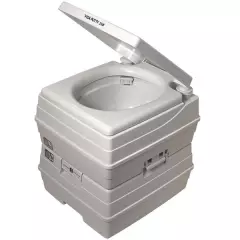
A chemical toilet is a simple portable toilet designed for use on boats, caravans, campsites or other locations without a fixed drainage system. A chemical toilet is a particularly popular solution for small boats due to its ease of use, portability and lightweight construction. The chemical toilet works by collecting waste in a closed container, where special chemicals are used to control odours and break down the waste.
A chemical toilet has two main parts that make it easy and efficient to use:
- Top:
- Seat: A structure similar to a traditional toilet seat, with a seat section with a lid.
- Flushing tank: Contains water or flushing fluid that cleans the toilet when it is flushed. In some models, flushing chemicals are added to the tank, which helps reduce odor and dirt.
- Bottom:
- Waste tank: A closed container where all waste collects. The tank contains chemicals that:
- Break down solids into a liquid mass.
- Prevent odors from forming.
- Reduce bacterial growth.
A chemical toilet works simply but effectively:
- Flushing:
- The user flushes the waste manually, either by pressing the flush button or using a hand pump. In some models, the flushing function may be electric.
- Water or a chemical from the flush tank cleans the toilet bowl and moves the waste into the waste tank.
- Waste retention:
- The waste from a chemical toilet moves into a waste tank, where special chemicals:
- Break down solids.
- Prevent odors from escaping the tank.
- Extend the storage time of the waste and reduce its harmfulness.
- Odor control:
- The chemicals used for odor control are designed to bind odors and prevent them from spreading outside the chemical toilet. They are often biodegradable and safe to use.
Chemical toilets are designed for easy emptying:
- Removing the waste tank:
- The waste tank at the bottom of the chemical toilet is removable and can be carried by hand to the emptying point.
- Most models have a carrying handle and a pouring spout to make it easier to move and empty the tank.
- Emptying location:
- The chemical toilet tank is emptied into a septic tank located at ports, campsites or petrol stations or other approved location.
- After emptying, the tank is rinsed and new chemicals are added for the next use.
- Usage:
- The chemical toilet is very easy to use. It does not require a permanent installation and can be deployed anywhere.
- The user only needs to add flushing water and chemicals to the tanks before use.
- Benefits for small boats:
- Portability: Easily moved outside the boat, making maintenance and emptying effortless.
- Easy installation: Does not require complex plumbing or the installation of a septic tank.
- Cost-effectiveness: Chemical toilets are significantly less expensive than fixed water or electric toilets.
- Compact size: They fit into small spaces, making them especially suitable for boats with limited space.
- Emptying the waste tank:
- Empty the tank regularly to avoid overflows and odors.
- Cleaning:
- Wash the tank after emptying and rinse it with fresh water.
- Adding chemicals:
- Add the required chemicals to the tank after each emptying.
- Filling the flushing tank:
- Add flushing water and, if necessary, flushing agents to the tank.
A chemical toilet is a simple and effective solution for a boat toilet, especially in small boats. The chemicals ensure odor-free operation and safe decomposition of waste. It is easy to use, and its portability makes it a flexible solution for a wide range of needs.
The electric toilet is a modern and easy-to-use boat toilet that uses an electric motor to flush and move waste. It is especially suitable for boats where comfort and efficiency are valued. The electric toilet combines automatic operation and durability, making it a favorite among many boaters.
- Flushing and waste transfer:
- The user presses a button that activates an electric motor.
- The motor of the electric toilet takes care of feeding the flush water into the toilet bowl and transfers the waste to a septic tank or other waste container.
- Flushing water:
- The electric toilet can use either:
- Seawater: Water is pumped in from seawater through a flushing system.
- Freshwater: A freshwater system offers a more hygienic option, as it reduces odors and prevents salt deposits from forming in the system.
- Automatic cleaning:
- Some electric toilet models have a feature that automatically flushes the bowl and transfers the waste to a septic tank with the push of a button.
- Ease of use:
- With an electric toilet, the user does not need to use a manual pump, but all flushing and waste transfer operations are performed with the push of a button.
- Efficiency:
- The electric motor makes flushing fast and thorough, saving time and ensuring that waste is efficiently transferred to the septic tank.
- Convenience:
- The electric toilet offers a comfortable and modern user experience that is similar to a home toilet system.
- Compatibility with septic tank systems:
- Most electric toilets are designed to work seamlessly with septic tanks, making waste management simpler.
- Compact design:
- Despite the addition of electrical components, electric toilets are generally compact and fit well in the limited space on a boat.
- Power consumption:
- The electric toilet requires power from the boat’s electrical system (usually 12 V or 24 V). The boat’s battery charge level must be considered sufficient for the electric toilet.
- Plan your power needs and make sure that the batteries have enough capacity for other electrical equipment on the boat.
- Installation requirements:
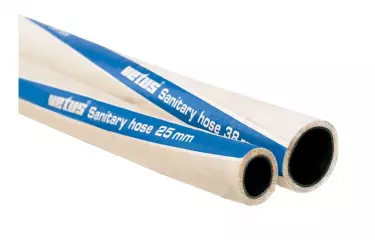
- The electric toilet requires a proper electrical connection, hoses for flushing water, and plumbing for waste transfer.
- Installation can be more complicated than a manual toilet, so professional help may be required.
- Maintenance:
- The use of seawater can cause salt deposits, so the electric toilet system must be maintained regularly.
- The motor and electrical components must be checked periodically.
- Noise level:
- The flushing function of some electric toilet models can be quite loud.
- For medium and large boats:
- Boats with sufficient space and capacity to support an electrical system.
- Boats with a septic tank system:
- A fixed septic tank is often necessary when using an electric toilet.
- For boaters who value convenience:
- An electric toilet makes the boating experience more pleasant and user-friendly.
toilet is a modern, efficient and easy-to-use solution for a boat toilet system. Its operation is based on the operation of an electric motor, which automatically handles flushing and waste transfer. Although an electric toilet requires an electrical system and a septic tank, it offers convenience and efficiency similar to toilet systems used in domestic use.
A boat toilet is an important part of the comfort and practicality of your boat. Choose a toilet that fits your boat's size, needs and budget, and make sure it is properly installed and maintained. This will ensure a pleasant boating experience for everyone.
Check out Marinekauppa's offerings and order a boat toilet!