Rope accessories
Accessories for splicing and protecting boat ropes.Rope accessories group products
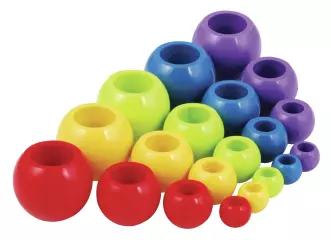

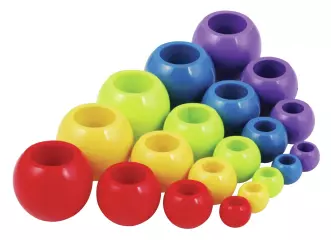
The package contains one stopper ball.
- Material: Plastic
- Max 8mm rope
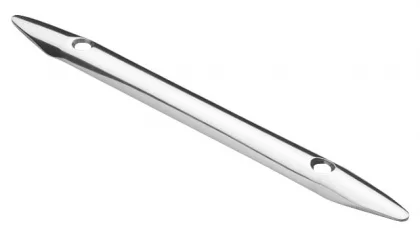
Rope wear protector made of stainless steel. Protects the rope from sharp corners and rough surfaces, as well as the boat's surface from wear caused by the rope.
- Length: 203mm
- Width: 19mm
- Material: Stainless steel

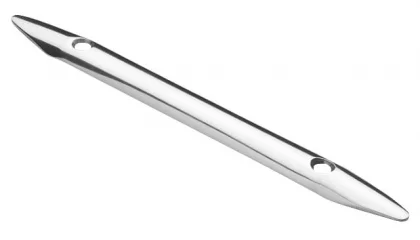
Rope wear protector made of stainless steel. Protects the rope from sharp corners and rough surfaces, as well as the boat's surface from wear caused by the rope.
- Length: 305mm
- Width: 19mm
- Material: Stainless steel
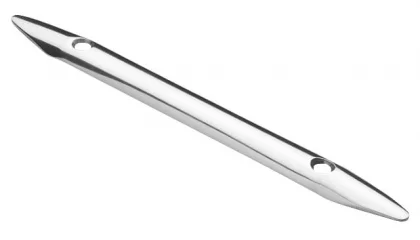
Rope wear protector made of stainless steel. Protects the rope from sharp corners and rough surfaces, as well as the boat's surface from wear caused by the rope.
- Length: 457mm
- Width: 19mm
- Material: Stainless steel
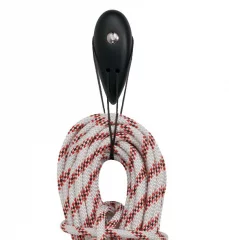
Line Tamer, the “Rope Tamer”. A new clamp that makes rope handling easier. Wind up your hoists and mooring lines, store them neatly and safely with the Line Tamer. The lines are quickly at hand whenever you need them. The round and streamlined design of the rope holder prevents ropes and clothing from getting caught. For both sailboats and motorboats.
- Holder for tidy storage of ropes
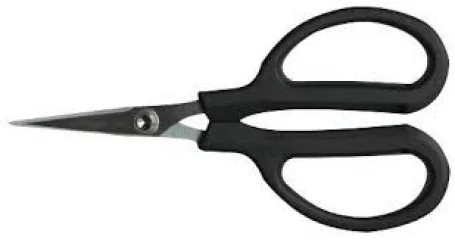
Scissors for dynema, spectra and aramid ropes.
- Scissors for dynema ropes
- D-16

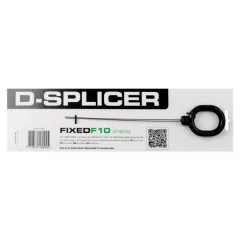
- 1mm splicing needle
- Length: 18cm
- Suitable for splicing: > 2mm sheathless ropes (hollow braided)
- Suitable for: splicing max 4mm double braided ropes
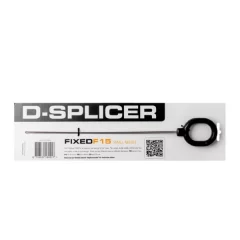
- 1.5mm splicing needle
- Length: 26cm
- Suitable for: splicing 2-4mm sheathless ropes (hollow braided)
- Suitable for: splicing 4-8mm double braided ropes
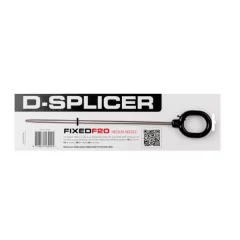
- 2mm splicing needle
- Length: 26cm
- Suitable for: splicing 4-6mm sheathless ropes (hollow braided)
- Suitable for: 10-16 double braided rope splices
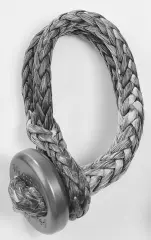
The soft Dynema rope shackle with a light metal button offers high breaking strength at a very low weight. When you want to get rid of hard and heavy metal shackles, the ideal solution is the FSE Robline Dyeema SK-75. A soft rope shackle that is light, extremely strong and opens easily even after heavy loads.
- High tensile strength
- Light and strong
- Color: Gray
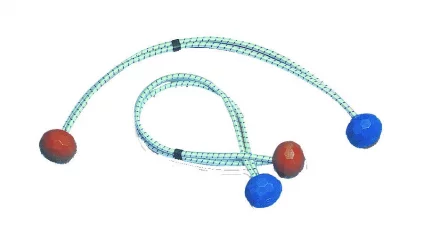
- 4mm/ 30cm
- 4 pcs/bag.
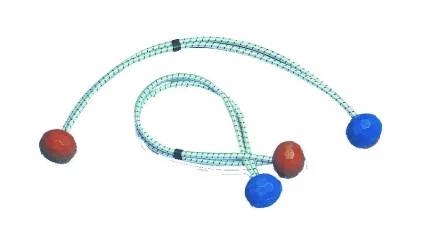
- 4mm/40cm
- 4 pcs/bag
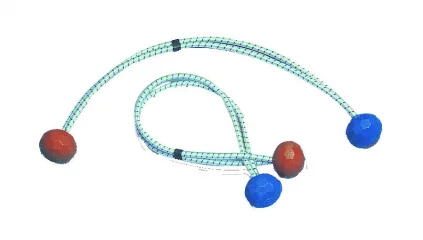
Two plastic ropes with plastic balls at both ends, sold 4 pieces/bag
- Length: 50cm
- 4pcs pack
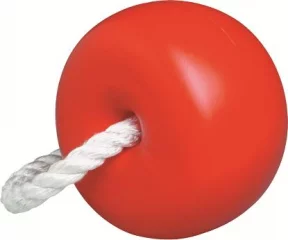
Attaches to the buoy's mooring rope with a cable lock. Floats the rope in the water, avoiding unnecessary wear.
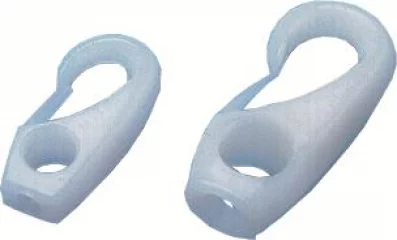
Clips for bungee cords made of white nylon. Sold in packs of 4.
- Material: Nylon
- Color: White
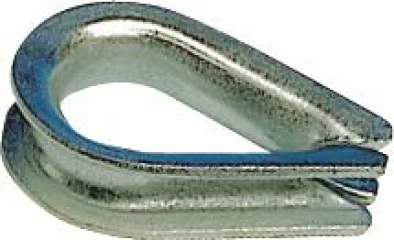
• 2pcs/pack


10×65 stainless steel
- Material: Stainless steel
- 2 pcs/pack
Durable, stainless steel. Package includes 2 hoses.
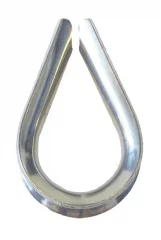
A hose made of stainless steel (AISI316).


