


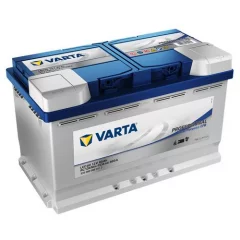
Lead-Acid Batteries – Marinekauppa
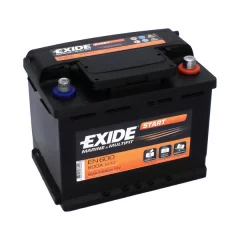
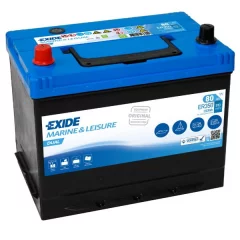
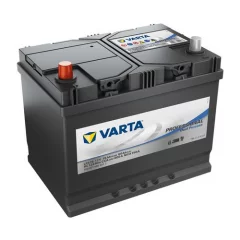
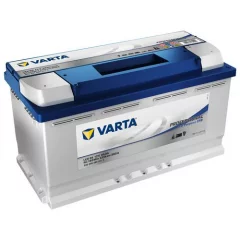
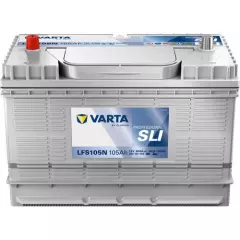
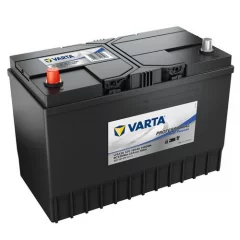
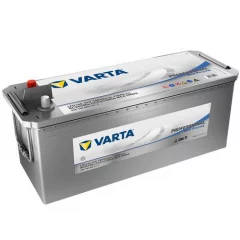
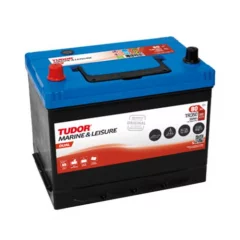
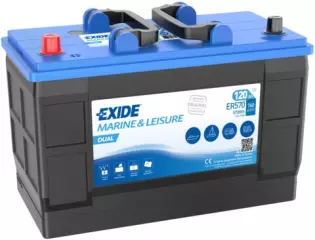
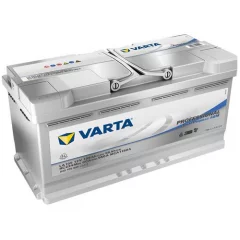
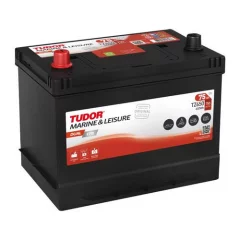
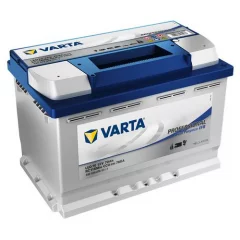
The lead-acid battery is one of the oldest and most well-known battery technologies, still widely used in boats, motorhomes, and cabins. Lead-acid batteries provide a reliable, affordable, and easy-to-use solution for many marine needs such as engine starting, lighting, and other electrical functions.
Advantages of Lead-Acid Batteries Compared to Other Battery Types
-
Affordability
Lead-acid batteries are significantly less expensive than lithium or AGM batteries. This makes them an attractive option for boaters looking for a cost-effective solution. -
Reliability and Availability
Lead-acid battery technology has been developed over decades and is available at nearly all marine supply stores. Their operation is well documented, and finding replacements or spare parts is easy. -
Suitability for Different Uses
Lead-acid batteries can be used both as starting batteries and as service batteries. Starting batteries are designed to deliver a short, powerful burst of current to start the engine, while service batteries tolerate longer discharge and recharge cycles, which is important for powering lighting or refrigerators. -
Maintenance and Upkeep
Traditional lead-acid batteries may require maintenance such as adding water to the electrolyte, but upkeep is simple and inexpensive. Fully maintenance-free models are also available, requiring no regular inspection.
How Are Lead-Acid Batteries Used on a Boat?
-
Starting Battery
A starting battery is designed to produce a short and powerful current for the starter motor. It ensures quick engine starting, after which the boat’s alternator or charger keeps the battery charged. -
Service Battery
A service battery is intended for long-term electricity supply, such as powering lighting, navigation systems, and refrigerators. It can handle deeper discharges than a starting battery but still requires regular charging. -
Charging and Maintenance
Lead-acid batteries must be charged regularly to extend lifespan. Most boats use charging from an alternator or solar panels. Automatic chargers are also available.
How to Choose the Right Lead-Acid Battery for a Boat
-
Purpose of Use
Consider whether the battery is needed for engine starting or for powering electronics during long journeys. Your needs determine whether you should choose a starting battery, a service battery, or a combination of both. -
Capacity
Choose a lead-acid battery with sufficient capacity (ampere-hours, Ah) for your requirements. Higher capacity allows longer use between charges but increases battery size and weight. -
Physical Size and Weight
Ensure the battery fits your boat’s battery compartment and that its weight does not affect the boat’s balance or performance. -
Maintenance Requirements
If you want minimal upkeep, choose a maintenance-free lead-acid battery. If you want to save on purchase cost and are willing to perform routine maintenance, a traditional flooded battery may be suitable. -
Compatibility with Charging System
Make sure your boat’s charging system supports the selected battery type, especially if you use solar panels or special charging systems.
AGM vs Lead-Acid Battery – What’s the Difference?
An AGM battery (Absorbent Glass Mat) is an improved form of lead-acid battery where the electrolyte is absorbed into fiberglass mats. AGM batteries offer several advantages over traditional lead-acid batteries, but they are more expensive.
-
Lifespan and Durability
AGM batteries handle deep discharges better and usually last longer. They are also less sensitive to vibration, making them ideal for boats exposed to engine vibration and rough sea conditions. -
Charging Efficiency and Energy Storage
AGM batteries charge faster and retain energy longer. This is useful when solar panels are installed or electricity demand varies greatly. -
Maintenance Needs
AGM batteries are completely maintenance-free, unlike open lead-acid batteries that may require electrolyte refilling. -
Cost
AGM batteries are more expensive, but their longer lifespan and maintenance-free design can make them cost-effective over time.
How Does a Lead-Acid Battery Work?
A lead-acid battery works through an electrochemical reaction where chemical energy is converted into electrical energy.
-
Structure
A lead-acid battery consists of:
Positive plate: Coated with lead dioxide (PbO?)
Negative plate: Made of porous metallic lead (Pb)
Electrolyte: A mixture of water and sulfuric acid (H?SO?)
Separators: Prevent short circuits between plates
Casing: Holds and protects all components
-
Operating Principle
Discharge (producing electricity):
When the battery is used:
Lead dioxide at the positive plate reacts with the electrolyte to form lead sulfate (PbSO?) and releases electrons.
Metallic lead at the negative plate also reacts, forming lead sulfate and releasing electrons.
The electrons flow through the external circuit, generating electrical current.
Charging:
When the battery is charged, the reaction reverses:
Lead sulfate converts back into lead dioxide and metallic lead.
The electrolyte’s sulfuric acid concentration increases.
In short, lead-acid batteries store and release energy through reversible electrochemical reactions between the plates and electrolyte.
Environmental Impact and Recycling of Lead-Acid Batteries
Lead-acid battery production uses heavy metals such as lead and strong chemicals like sulfuric acid, making environmental safety a key factor.
Recycling: Lead-acid batteries are among the most recycled products worldwide. Components such as lead and plastic casings can be reused in manufacturing new batteries.
Environmental protection: Battery manufacturers follow strict safety and environmental regulations to control emissions and waste.
Lead-Acid Batteries – A Traditional and Popular Choice
Lead-acid batteries remain a popular option among boaters due to their affordability, reliability, and versatility. They provide sufficient capacity for many applications and are easy to maintain. When choosing the right lead-acid battery, consider purpose, capacity, and maintenance requirements.
If you need a more durable and efficient alternative, an AGM battery may be worth considering. Both offer excellent solutions, and the best choice depends mainly on your needs and budget.


