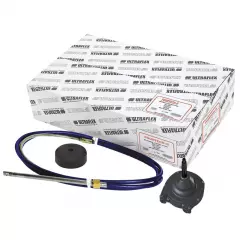
Mechanical steering systems
Cable management packages, control cables, control housings, and installation accessories for cable management.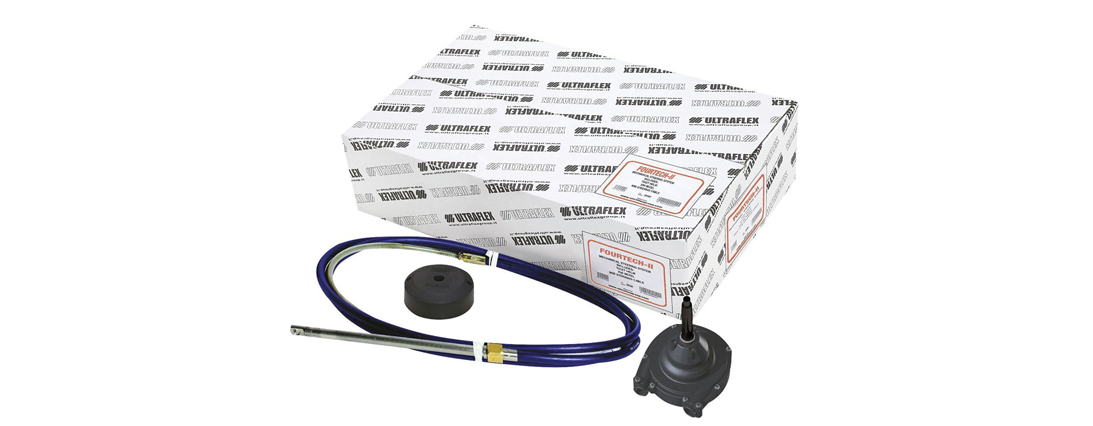
Product groups
Cable steering is a boat steering system in which the steering force of the engine or rudder is transmitted from the steering wheel by means of a cable. It is especially common in smaller motorboats, as it is a simple, cost-effective and durable solution. Through the steering cable, the movements of the steering wheel are accurately transferred to the turning of the engine or rudder, allowing the direction of the boat to be controlled. Discover our selection!
What is a boat steering cable?
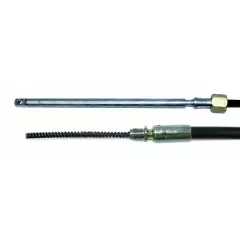
A boat's steering cable is a key part of the steering system that connects the steering wheel to the engine or rudder. It is usually a stiff but flexible metal or plastic-coated cable that runs through the hull of the boat, allowing for precise transmission of steering movements.
The boat's steering cable consists of the following parts:
Inner cable: The metal core that transfers power from the steering wheel to the engine or rudder.
Outer sheath: The protective layer of the control cable that prevents wear and protects the cable from moisture and corrosion.
Connectors: The ends of the steering cable are connected to the steering wheel mechanism and the engine or rudder.
What does cable control do?
Cable steering mechanically transfers steering wheel movements to the engine or rudder. When the steering wheel is turned, the cable moves, pushing or pulling the engine or rudder in the desired direction. Cable steering allows for precise and stable steering of the boat at various speeds.
Cable control offers:
Precise control: With cable control, movements are transmitted directly and without delay from the steering wheel.
Reliability: The mechanical structure of cable control is simple and less prone to interference than hydraulic or electrical control systems.
Ease of use: Modern control cables are designed to reduce friction, making steering easy.
How to install cable steering on a boat?
Installing a boat cable steering system consists of connecting the steering wheel, steering mechanism, and steering cable to the engine or rudder. The most typical installation steps are:
Steering wheel installation:
Install the steering wheel on the boat's control panel according to the manufacturer's instructions.
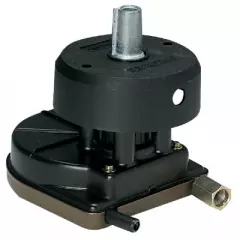
Attach the steering wheel to the steering mechanism, which acts as a point of transmission of movements to the cable.
Measure the cable length carefully before purchasing to ensure proper fit. The control cable should run as straight as possible without sharp bends.
Route the steering cable through the frame between the steering wheel and the engine, protecting it from chafing.
Attaching the control cable:
Connect one end of the steering cable to the steering mechanism and the other end to the engine or rudder.
Tighten all fasteners firmly, but not too tightly, to allow the control cable to move freely.
Testing:
Check that the steering works smoothly and that the engine or rudder moves accurately according to the steering wheel movements.
What happens if the control cable breaks?
If a boat's steering cable breaks, the cable steering system will no longer transmit steering wheel movements to the engine or rudder. The boat's steering ability will be lost, either partially or completely. The consequences can be dangerous, especially when the boat is moving at high speed or in narrow waterways, such as harbors, where precise steering is essential. A broken steering cable can increase boater stress and endanger the safety of passengers.
Signs of a broken control cable
Most often, a boat's steering cable does not break suddenly, but rather its wear or damage gives early warning signs. Signs to watch for include:
Steering wheel stiffness:
If the steering wheel requires more force than normal to turn or otherwise moves unevenly, the mechanism inside the cable may be worn or stuck.
Delayed or inaccurate response:
The movement of the engine or rudder does not correspond exactly to the steering wheel, which indicates that the cable is loose or partially damaged.
The steering wheel does not return to the center position:
A normally functioning cable steering system will return the steering wheel to the center position on its own. If this does not happen, the cable may be damaged or its internal friction may have increased.
Scratches or damage to the outer surface of the cable:
If the control cable is visible and its outer sheath shows cracks, rust, or wear, it may indicate an impending failure.
What to do if the boat's steering cable breaks in the water?
A control cable break can happen suddenly, but with the right actions, the situation can be controlled:
Stop the boat:
The first and most important action is to stop the boat. This will prevent further damage and give you time to assess the situation.
Control the boat manually:
In most cases, you can attempt to steer the boat manually by moving the engine by hand. This can be difficult, but will allow you to safely move the boat to a nearby harbor or sheltered location.
Keep the situation under control:
If there are more than one person on the boat, divide the duties. One can control the engine manually while the other uses the throttle.
Call for help:
If manual steering is not possible or conditions are dangerous, contact emergency services or other boaters for towing assistance.
Report a problem:
If traffic is heavy in the waterway, warn other boats with signaling devices, such as a horn or VHF radio.
How to prevent a boat's steering cable from breaking?
Regular inspection and maintenance of the boat's steering cable can prevent dangerous situations caused by breakage:
Check the condition of the cable: Regular visual inspection will reveal damage to the outer sheath, rust, or other problems.
Lubricate the cable: Many control cables benefit from lubrication, which reduces friction and extends their life.
Replace the cable in time: If the cable shows signs of wear, it is better to replace it than wait for it to break.
Install the cable correctly: An incorrectly installed cable will wear out faster and can cause premature problems.
A broken boat steering cable can lead to loss of cable control, but managing the situation calmly and methodically can prevent serious consequences. Regular maintenance and proactive cable replacement will ensure that the cable control works reliably in all conditions. For increased safety, it is recommended to be prepared for emergencies and know how to manually control the boat if the cable fails.
Cable control systems and boat control cables from Marinekauppa
Cable steering is a reliable and popular steering system that transmits steering wheel movements to the engine or rudder via a steering cable. Cable steering provides precise and easy-to-use control, and its installation is a simple process as long as the cable is sized and routed carefully. If the boat's steering cable breaks, steering ability will be lost, so it is worth checking its condition regularly and replacing it if necessary. When properly maintained, cable steering ensures safe and comfortable boating.
Check out our selection and order!