NMEA 2000 is a standard for data communication between electronic devices on boats and other watercraft. Developed by the National Marine Electronics Association (NMEA), the standard is designed to ensure compatibility and seamless communication between devices from different manufacturers.
NMEA 2000 is based on CAN (Controller Area Network) bus technology, which allows multiple devices—such as chartplotters, fish finders, autopilots, wind meters, and engine systems—to connect and exchange data simultaneously in real time.
Devices connected to an NMEA 2000 network can share a wide range of information, including GPS position, speed, heading, depth, wind speed and direction, fuel consumption, engine data, and other vessel system metrics. This data can be displayed on chartplotters or other multifunction displays, enabling the boater to monitor and control various systems from a single interface.
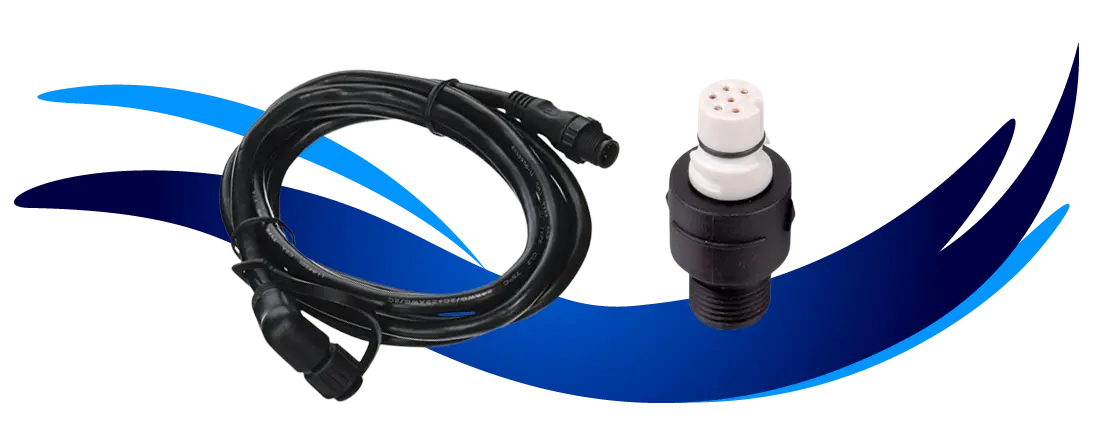
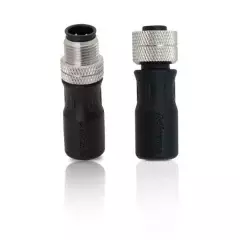
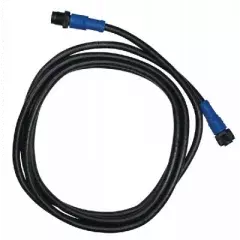
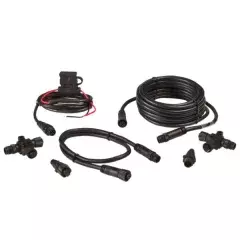
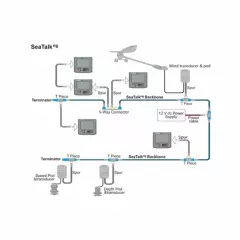
The NMEA 2000 standard also defines the physical connections and electrical characteristics of the network. It uses standardized connectors, as well as a unified voltage and data protocol, ensuring straightforward installation and reliable operation.
As a widely adopted standard in marine electronics, NMEA 2000 greatly simplifies the integration of devices from different manufacturers, providing boaters with flexibility and reliability when building or expanding their onboard electronic systems.