Fuel connectors
Fuel connectors for several different engine brands.Tuoteryhmät
Fuel connectors -ryhmän tuotteet

Male fuel connector.
- Suzuki fuel connector
- Diameter 11mm

Kampanja
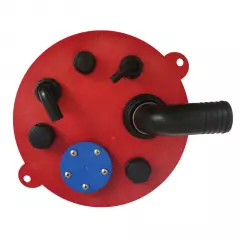
Diablo fuel tank cap
The cover has places for a filling hose, suction hose, breather, sensor and a return hose for diesel. (Return hose outlet available separately)
Hose outlet dimensions
- Filling hose: Ø38mm
- Breather hose: Ø16mm
- Outlet: Ø10mm

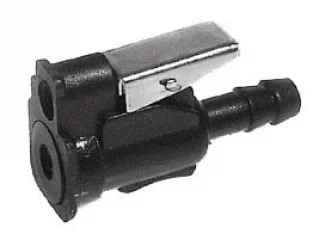
Tank connector for Yamaha, Mercury, Mariner outboard motors.
Hose-mounted female fitting for Yamaha, Mercury and Mariner engines for 8 mm (5/16 inch) hose
- For Yamaha, Mercury, Mariner machines
- Female body
- 3/8 inch for engine and tank
- Accessory part

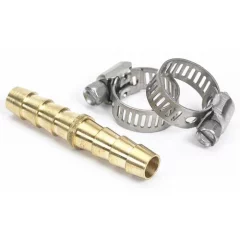
Double-sided hose connector for connecting 9.5mm fuel hoses.
• Hose diameter: 9.5mm

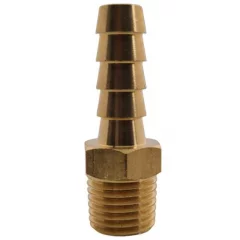
Brass fuel connector for fuel tanks and taps.
• Hose diameter: 8mm
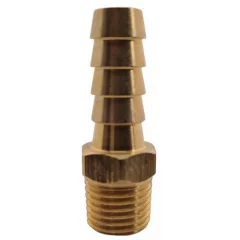
Brass fuel connector for fuel tanks and taps.
• Hose diameter: 9.5mm
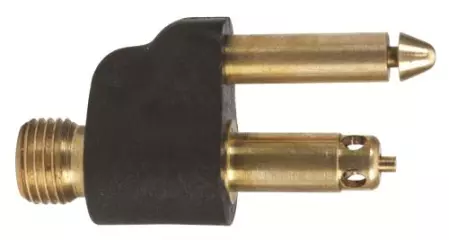
Fuel tank connector with 1/4" NPT thread for Mercury engines.
- Tank connector Mercury
- Thread: 1/4" NPT
- Manufacturer's product code: 05837
- Manufacturer: Scepter Marine

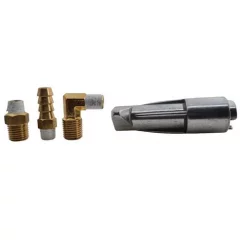
Mercury - Mariner for older models.
• Type: female
• Fits models: item no. 2716/2618
• Hose diameter: 9.5mm
• Fits models: item no. 2716/2618
• Hose diameter: 9.5mm
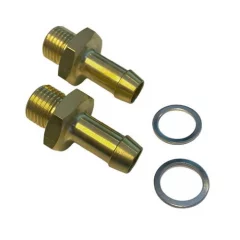
Nipple set for CAV filter. Suitable for 10mm fuel hoses.
Sold in pairs, washers included.
Thread: 1/2" x 20 UNF
Sold in pairs, washers included.
Thread: 1/2" x 20 UNF
• Nipple set
• For CAV filter
• 10 mm
• For CAV filter
• 10 mm

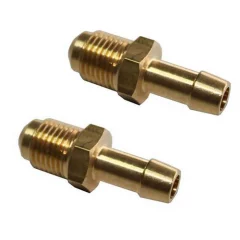
Nipple for Lucas/Delphi/CAV fuel filter 1/2"x20 UNF.
• Fits 8mm hose
• 2pcs/pack
• 2pcs/pack
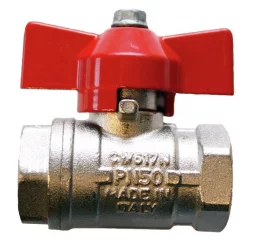
Ball valve Orient. Suitable as a fuel tap, brass OT58, aluminum handle. For 1/2" hose.
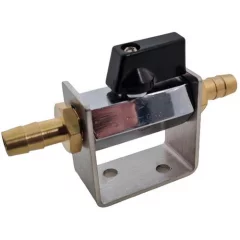
Chromed brass fuel tap with ball valve mechanism. Equipped with wall mounting bracket and 2 hose nipples 1/4" x 10mm.
• Fuel tap length: 43mm
• Bracket dimensions: 44x46mm
• Bracket dimensions: 44x46mm
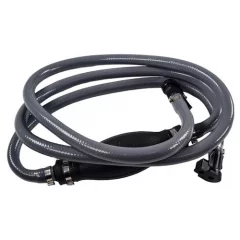
Universal alcohol and UV resistant, reinforced hose. Pump with spring-loaded valve and double check valves. Stainless steel hose clamps.
• Length: 2m
• Hose diameter: 9.5mm
• Hose diameter: 9.5mm
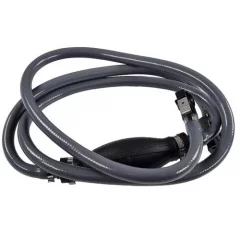
Yamaha, Mariner -40Hp. UV-resistant reinforced hose. With spring-loaded valve and double check valves. Installed couplings. Stainless hose clamps. Length: 2 meters.
- Length: 2m
- Hose diameter: 9.5mm

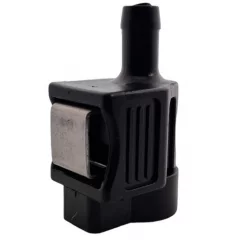
Engine head fuel connector for Honda, 9.5mm
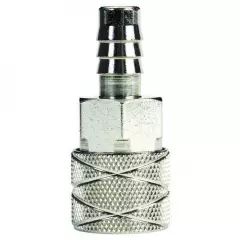
Fuel connector for Suzuki (older models)
• HP: under 75
• Fits: item no. 2728
• Hose diameter: 9.5mm
• Fits: item no. 2728
• Hose diameter: 9.5mm
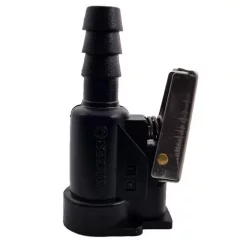
Fuel connector for Yamaha, Mercury and Mariner.
• Fits: product no. 2736/2665
• Hose diameter: 9.5mm
• Hose diameter: 9.5mm
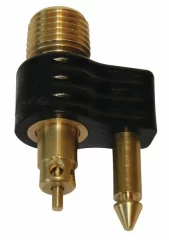
Tank connector, male, suitable for Yamaha engines.
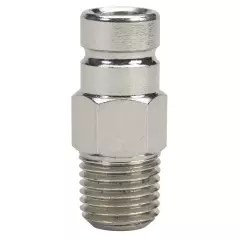
With 1/4" NTP thread. For Honda.
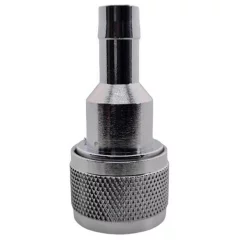
Quick connector for Honda. Made of chrome-plated brass. 3/8" (9.5mm)


