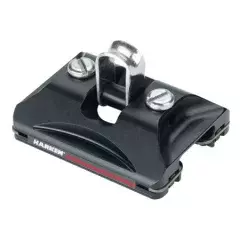
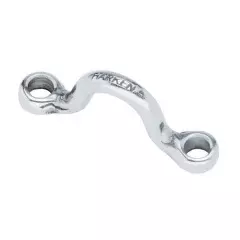
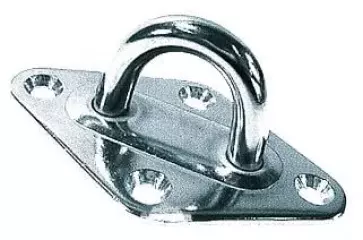
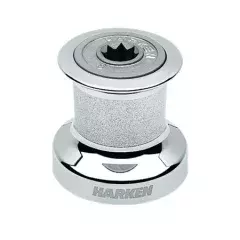
Blocks, winches and other sailboat fittings
Sailboat fittings, such as blocks, foils, sailboards, rails, and winches, are metal or plastic components that facilitate boat operation and sailing, guiding, locking, and facilitating the control of sails and ropes. Explore our selection!
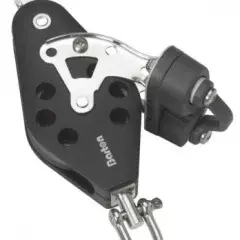
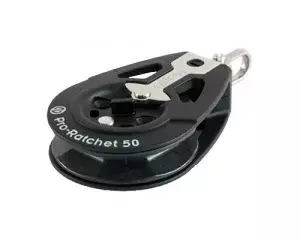
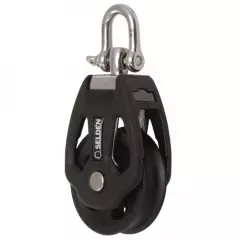
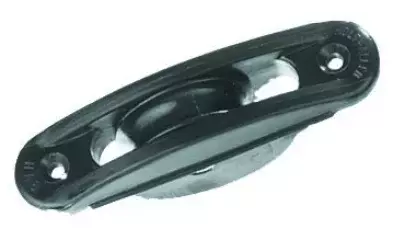
Blocks: Sailboat multi-purpose rope guides
Blocks are essential rigging components on a sailboat that make handling sails and ropes easier, more efficient and safer. Blocks are devices with rotating rollers that guide the ropes and reduce friction on the ropes. This makes handling especially loaded ropes, such as hoists, scoots and trim lines, much easier.
Block structure
The blocks consist of several key parts that make them functional and durable:
Roller (or rollers): The core of the block is a rotating roller around which the rope runs. The rotation of the roller reduces friction between the rope and the block body, allowing for smooth movement of loads.
Body material: The body material of the block is often made of lightweight and durable materials, such as aluminum, stainless steel or composites that are resistant to corrosion caused by seawater.
Bearings: Most modern blocks have ball or plain bearings to reduce friction between the roller and the frame, especially under high loads.
Attachment mechanism: The block body can be attached to the boat with, for example, a shackle, padded loops or rope loops. Some blocks have a swivel attachment point to allow for more flexible movement.
Uses of blocks
Blocks are used on sailboats in almost all situations where ropes need to be guided, directed or loaded.
Hoists: Blocks guide the ropes between the mast and the sails, making it easier to raise and lower the sails.
Scoots: Ropes used to trim sails, such as the genoa or jib scoot ropes, often pass through blocks. This allows for precise adjustment of the sails in varying wind conditions.
Trenching ropes: When retching sails, blocks guide the ropes so that the sail area can be reduced safely and effortlessly.
Pulley systems: Blocks are the key components of a winch. In a winch system, multiple blocks can be used to distribute the load and increase the force, making it easier to handle heavy loads, such as a mainsail hoist or a boat boom.
Types of blocks
There are several different types of blocks, and their selection depends on the intended use and load requirements. The most common types of blocks are:
Fixed blocks
Fixed blocks are permanently mounted, for example on the mast, deck or side of the boat. They are used in situations where the direction of movement of the rope does not change constantly, such as in hoists and mooring lines.
Swivel blocks
In these blocks, the attachment point allows the roller and frame to rotate in different directions. This allows the rope to move more freely and makes them more versatile, for example as part of scooters or hoist systems.
Rear-locking blocks
These blocks have a mechanism that prevents the rope from moving backwards. Back-locking blocks are useful in situations where the rope needs to be held in place without constant manipulation, such as when hoisting sails.
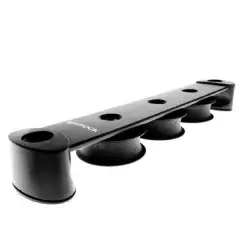
Double blocks and slat blocks
These blocks have multiple rollers that allow the same block to handle multiple ropes or create complex pulley systems. They are common in mainsail trim systems.
Special blocks
These include spinnaker blocks, designed for light, large sails, and mast foot grommets, which route the ropes from the mast to the deck.
Rope locks on a sailboat
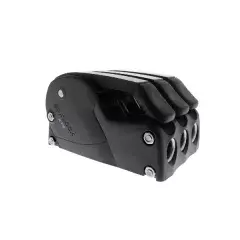
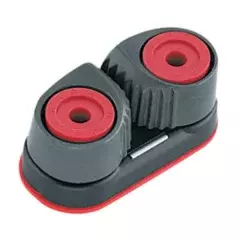
Rope locks are hardware components on sailboats that allow ropes to be locked securely in place and released quickly when needed. They improve boat control and free the sailor's hands for other tasks.
The design of a rope lock is simple but effective - it consists of parts that clamp the rope tightly in place. Locking the rope is typically done by lowering the rope into the lock, and releasing it is done by lifting or opening the mechanism. A rope lock allows for quick and easy control of the rope, which is especially important in changing conditions.
Rope locks are widely used on sailboats. They are essential for adjusting things like sail furling, jib lines, and trim lines. They reduce the need to constantly hold the line, making sailing safer and more efficient, especially when sailing alone.
Sailboats
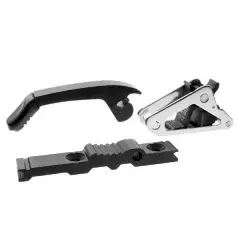
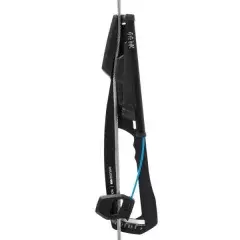
A spar is a rigid support bar used in sails that helps maintain the optimal shape of the sail and prevents flapping in the wind. The spars are placed in the horizontal pockets of the sail and are used especially in the mainsail, but also in other sails. The spars improve the aerodynamic performance, durability and efficiency of the sail. The spars can be full-length, extending across the entire sail, or partial, shorter ones. They are often made of fiberglass, carbon fiber or composite materials. The spars require regular maintenance, and broken spars should be replaced to maintain the sail's optimal shape and function during sailing.
Sailboat winches
Winches are used to control ropes such as sail hoists, scuttles and trim lines. Winches make it easier to handle large loads and allow for more precise sail adjustment, improving the performance and safety of the boat.
Winch structure
A winch consists of a cylindrical drum around which the rope is wound. The rope wrapped around the drum transmits force from the rope to the winch and further to the sail or other adjustable part. The drum is usually rotated by a crank that provides leverage. Many winch models have a gearbox to allow for more efficient tensioning of the rope with less physical force.
Durability and material are important, as winches must withstand heavy loads and constant exposure to seawater. Most winches are made of anodized aluminum or stainless steel, which are corrosion-resistant and long-lasting.
Using winches
Winches are essential for managing the heavy loads on a sailboat. Wind loads on sails can be very high, and a winch allows these forces to be transferred to a manageable hand load. Winches are useful for raising and tightening sails.
Lifting: Winches make it easier to raise sails (especially heavy mainsails ).
Skidding: Winches are used to trim sails, such as genoa or jib, by adjusting their position to the crosswind.
Spinnaker control: Winches help with adjusting light but large sails, such as spinnakers, especially in strong winds.
Winches maintenance and selection
Maintenance of winches is important to ensure longevity and efficiency. Regular cleaning, lubrication and inspection of wearing parts such as bearings prevent jamming and malfunctions. Seawater and salt can impair the function of a winch over time, so maintenance is especially important when the boat is in marine use.
When choosing a winch, it is important to consider the size of the boat, the sail area and the operating requirements. Larger sails require larger and more powerful winch models. Electric or hydraulic winches can be a good choice if the boat has large sails or if you want to minimize physical strain on the crew.
Sailboat fittings from Marineshop
Find all the fittings you need for sailing in our boating specialty store! Explore our selection or visit our store - we will be happy to help you choose the right fittings.