Solar Panels
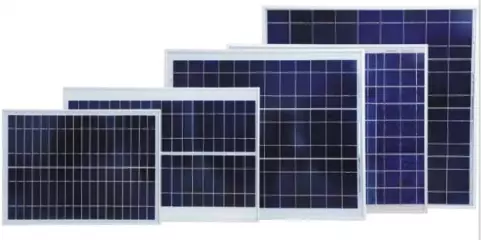
Solar panels provide an efficient and environmentally friendly energy source for boats. Their operation is based on converting sunlight into electricity, and different types of panels are suited to different needs.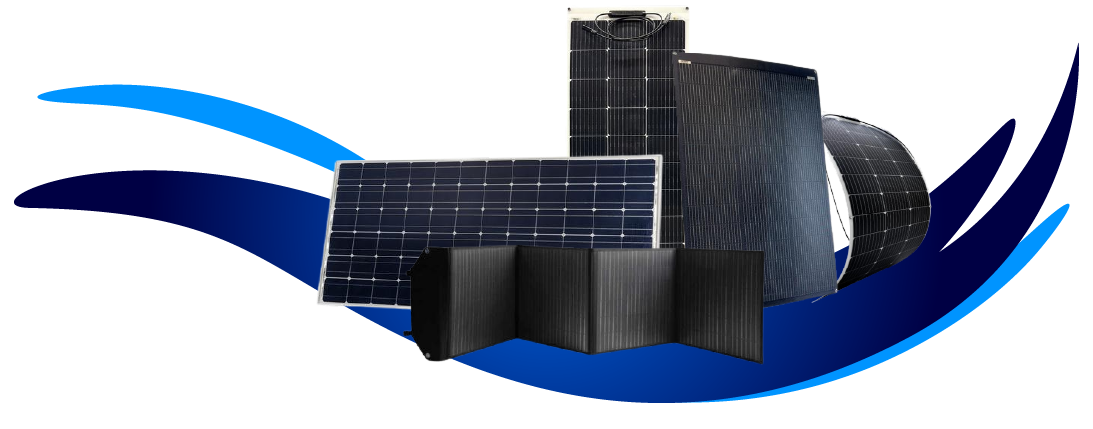
Product groups
The operation of a solar panel is based on the photovoltaic effect, where sunlight is converted into electricity by solar cells. Each solar cell is made of semiconductor material designed to respond to light and generate electric current. The process works as follows:
1. Light Absorption
When sunlight hits the surface of a solar cell, the semiconductor material absorbs photons (light particles). These photons contain energy, which is transferred to the electrons in the semiconductor. The panel’s efficiency depends on how well it absorbs light and utilizes the energy from photons.
2. Electron Release
If the photon energy is high enough, it releases electrons from the atomic structure of the semiconductor. Freed electrons move from the negative layer to the positive layer, leaving behind holes (positively charged spaces).
3. Current Generation
The released electrons move through the external circuit as they seek to return to their original state. This flow creates direct current (DC), which can be used directly in the boat’s electrical system or stored in a battery for later use.
4. Other Components
Series and parallel connections: Solar panels consist of multiple cells connected in series (to increase voltage) or parallel (to increase current). Typical panels produce 12–24 V DC.
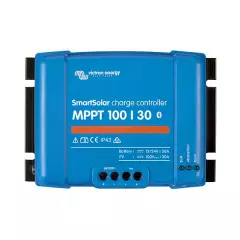
Charge controller: Regulates the current to the battery and prevents overcharging, ensuring a steady energy supply to the boat’s systems.
Light intensity: Panels are most efficient in bright sunlight but can still generate some energy in cloudy or low-light conditions.
Solar cell type: Monocrystalline cells are more efficient but more expensive than polycrystalline cells.
Panel orientation: Position the panel toward the sun for maximum light absorption.
Temperature: High temperatures can reduce efficiency, though panels still function in warm conditions.
Solar panels offer a natural and simple way to convert sunlight into electricity, making them ideal for boats where energy access is limited and a quiet, independent power source is a major advantage.
Installing solar panels on your boat provides multiple benefits that enhance your boating experience sustainably:
Self-generated electricity: Reduces reliance on external power sources like shore power or generators.
Quiet and eco-friendly: No noise or emissions, making solar panels a pleasant and environmentally conscious choice.
Long lifespan: Durable, low-maintenance energy solution.
Battery charging: Keeps boat batteries charged for lighting, navigation, entertainment, and other electrical devices.
Cost savings: Initial investment reduces fuel and electricity costs over time.
Versatility: Works well in locations without access to other power sources.
When selecting a solar panel, consider your energy needs, installation space, and environmental conditions:
Rigid vs. Flexible Panels
Rigid panels: Durable and efficient, ideal for flat, stable mounting locations.
Flexible panels: Lightweight and bendable, suitable for curved surfaces like decks, and easier to install.
Power output: Ensure the panel generates enough electricity for your boat’s equipment. A 100 W panel is usually sufficient for lights and small devices, while larger setups may need 200–300 W.
Panel type:
Polycrystalline: Cost-effective and works well in bright sunlight, slightly less efficient.
Monocrystalline: More efficient, performs better in low light, but pricier.
Durability and waterproofing: Choose panels designed for marine use that resist saltwater, moisture, and vibration. Look for protective coatings and IP ratings (e.g., IP67).
Charge controller: A high-quality controller prevents battery overcharge and ensures steady power flow to the battery.
Solar panels provide a practical, eco-friendly, and cost-effective energy solution for boats. They convert sunlight into electricity for boat appliances and battery charging. When selecting a solar panel, consider your boat’s energy requirements, installation space, and conditions. Even on cloudy days, quality monocrystalline panels can generate energy efficiently. Solar panels offer independence and silent power for life on the water.
Explore our selection and order today!