Suzuki anodes
Tuoteryhmät
Suzuki anodes -ryhmän tuotteet

This anode plate is designed to protect the hull of Suzuki outboards from corrosion and extend the life of sensitive engine components. The anode is compatible with Suzuki DF 9.9-300hp (manufactured 1997-2008) and DT 9.9-200hp (manufactured 1988-2000) outboards.
Specifications:
- Width (a): 30mm
- Length (l): 40mm
- Height (h): 12mm
- Hole diameter (Ø): 17mm
- Mounting hole diameter (Ø1): 6.5mm
Corresponds to the original spare part number: 55320-95310
- Made of aluminum
- Fits Suzuki 9.9-300 horsepower outboards
- Weight: 0.03kg

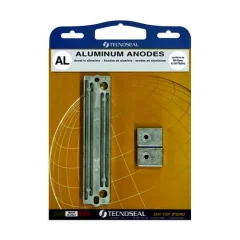
This anode kit is designed to protect Suzuki 200-250 horsepower outboards from corrosion in salt water, helping to extend the life of exposed engine parts.
The set includes the following anodes:
- 1 piece, corresponds to original numbers: 55320-94900 / 55321-94900
- 3 pcs, matches original numbers: 55320-95310 (95311)
- Made of aluminum
- Fits Suzuki 200-250 horsepower outboards
- Weight: 0.38kg
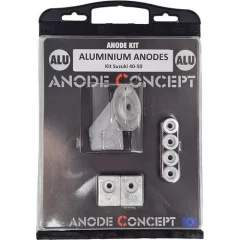
Accessory anode kit.
- Material: Aluminum
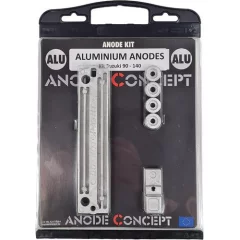
Accessory anode kit.
- Material: Aluminum
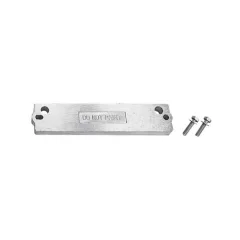
Suzuki zinc anode for seawater.
- Fits models: DF60AT-300T/Z
- Manufacturer's product code: 55320-94900

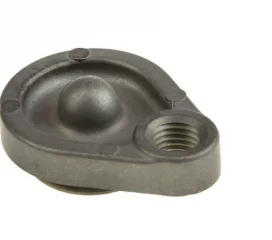

Zinc for DT115 outboard motor.
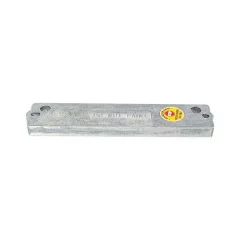
Suzuki magnesium anode for fresh water.
- Fits models DF70 - DF300
Suzuki magnesium anodes
- Into fresh water
- Fits models: all
- Manufacturer's product code: 55321-87J11
Suzuki aluminum anode for seawater.
- Fits models: DF2.5-9.9TH/25-300T/Z
- Manufacturer's product code: 55321-87J01
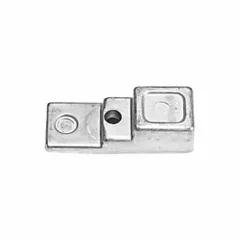
Suzuki zinc anode for seawater.
- Fits models: DF60/70/90/115/140
- Manufacturer's product code: 55321-90J01-000
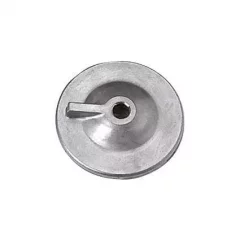
Suzuki zinc anode for seawater.
- Fits models: DT8,8/9,9/15, DF9,9/15, DF60/70
- Manufacturer's product code: 55321-93900
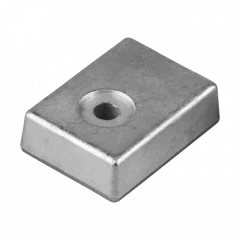
Zinc anode for DF150-DF300 outboard motors.
- Material: Zinc
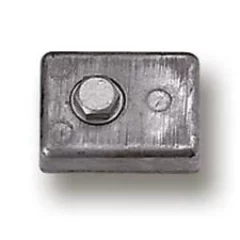
Suzuki zinc anode for seawater.
- Fits models: DF40A-60A/150-300AP
- Manufacturer's product code: 55320-95311
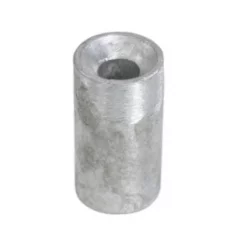
Zinc anode for seawater.
Anode
Suzuki DF9.9-70
Original part
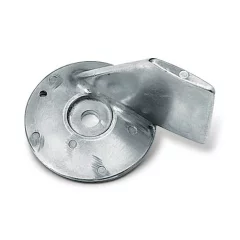
Suzuki zinc anode for seawater.
- Fits models: DF25, DF30, DT20, DT25, DT30
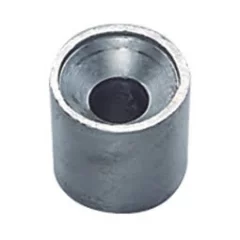
Fits the following Suzuki outboards:
- DF2.5
- DF25
- DF25R
- Suzuki zinc anode
- Seawater
- Fits models: DF2.5, DF25, DF25R
- Manufacturer's product code: 55321-95J00
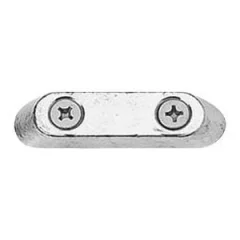
Suzuki zinc anode for seawater.
- Suitable for models: DF8A/9.9A/40A-60A
- Manufacturer's product code: 55300-95500
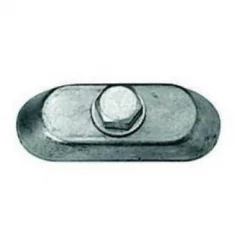
Fits DF9.9T-15R outboard motors.
- DF9.9T-15R
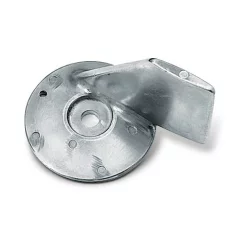
Suzuki zinc anode for salt water. Fits models DF60T/100T-140T
- Suzuki zinc anode
- Seawater
- Fits models: DF60T/100T-140T
- Manufacturer's product code: 55125-95500


