Suzuki propellers
Suzuki propellers -ryhmän tuotteet
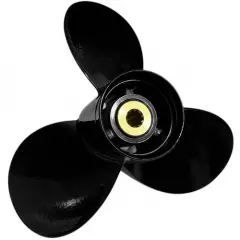
Complete aluminum propeller with vulcanized hub. Perfect replacement propeller for best performance.
Compatibility table:
- Three-bladed
- For Suzuki outboard motors
- Nut set available for purchase separately

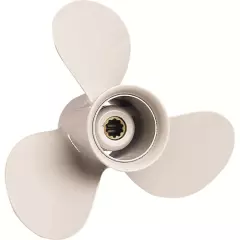
- Propeller nut set
- Polarstorm for Suzuki propeller 8-20hp
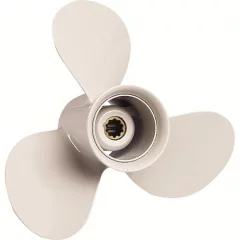
- Propeller nut set
- Polarstorm for Suzuki propellers 40-60hp
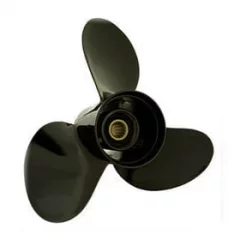
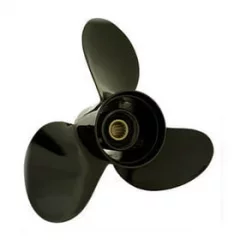
- Material: aluminum
- Structure: 3-blade
- Diameter: 10-1/4
- Rise: 10

- Material: aluminum
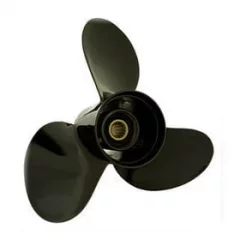
- Structure: 3-blade
- Diameter: 10-1/4
- Rise: 12
- Material: aluminum
- Structure: 3-blade
- Diameter: 10-1/4
- Rise: 13
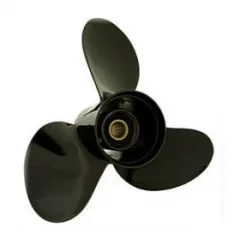
3-blade aluminum propeller that fits Suzuki DF25, DF25A, DF30 and DF30A outboard motors. The propeller comes with a hub already attached.
- Material: aluminum
- Structure: 3-blade
- Diameter: 10-1/4
- Rise: 14
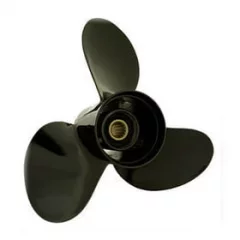
3-blade aluminum propeller that fits Suzuki DF25, DF25A, DF30 and DF30A outboard motors. The propeller comes with a hub already attached.
- Material: aluminum
- Structure: 3-blade
- Diameter: 10-1/4
- Rise: 15
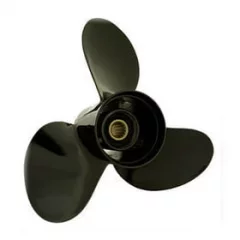
- Diameter: 7-1/2 pitch 6
- Three-bladed
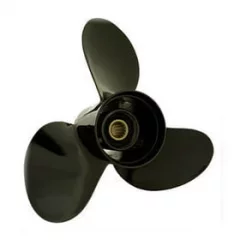
- DF4 00402F-210001 and later
- DF5 00502F-210001 and later
- DF6 00602F-210001 and later
- DF4 and DF5 standard propeller
- Diameter: 7-1/2 rise 6-1/2
- Three-bladed
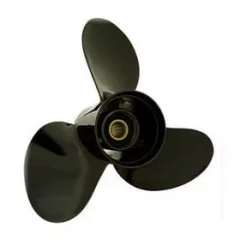
- DF4 00402F-210001 and later
- DF5 00502F-210001 and later
- DF6 00602F-210001 and later
- DF6 standard propeller
- Diameter: 7-1/2 pitch 7
- Three-bladed
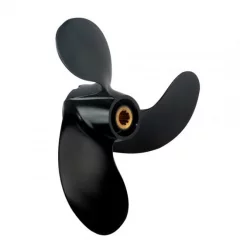
Compatible model years: 2012-
- DF2.5 standard propeller
- Diameter: 7 3/8
- Rise 5 3/8
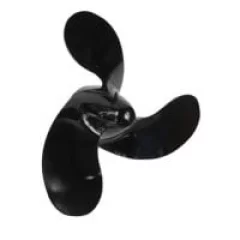
- DF2.5 standard propeller
- Diameter: 7 3/8 rise 5 3/8
- Compatible model years: 2006-2011

3-blade aluminum propeller that fits Suzuki DF8A, DF9,9A DF15A and DF20A outboard motors. The propeller comes with a hub already attached.
Compatible model years
- DF8 2010-
- DF9.9 2010-
- DF15 2010-
- DF20 2013-
- Material: aluminum
- Structure: 3-blade
- Diameter: 9-1/4
- Rise: 10
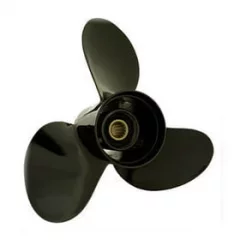
3-blade aluminum propeller that fits Suzuki DF8A, DF9,9A DF15A and DF20A outboard motors. The propeller comes with a hub already attached.
Compatible model years
- DF8 2010-
- DF9.9 2010-
- DF15 2010-
- DF20 2013-
- Material: aluminum
- Structure: 3-blade
- Diameter: 9-1/4
- Rise: 11
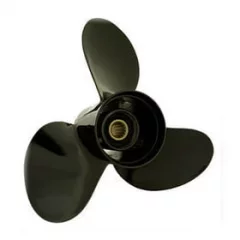
3-blade aluminum propeller that fits Suzuki DF15A and DF20A outboard motors. The propeller comes with a hub already attached.
Compatible model years
- DF15 2010-
- DF20 2013-
- Material: aluminum
- Structure: 3-blade
- Diameter: 9-1/4
- Rise: 12
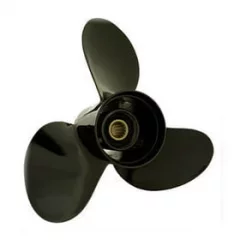
3-blade aluminum propeller that fits 2013-> and newer Suzuki DF8A, DF9,9A DF15A and DF20A outboard motors. The propeller comes with a hub already attached.
Compatible model years
- DF8 2010-
- DF9.9 2010-
- DF15 2010-
- DF20 2013-
- Material: aluminum
- Structure: 3-blade
- Diameter: 9-1/4
- Rise: 7
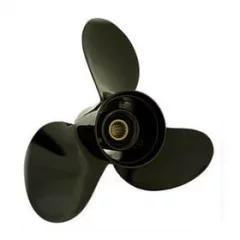
3-blade aluminum propeller that fits Suzuki DF8A, DF9,9A DF15A and DF20A outboard motors. The propeller comes with a hub already attached.
Compatible model years
- DF8 2010-
- DF9.9 2010-
- DF15 2010-
- DF20 2013-
- Material: aluminum
- Structure: 3-blade
- Diameter: 9-1/4
- Rise: 8
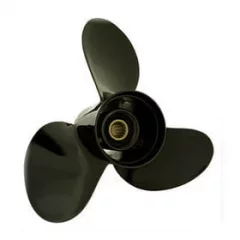
- Material: aluminum
- Structure: 3-blade
- Diameter: 9-1/4
- Rise: 9
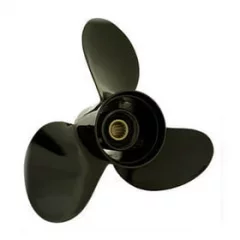
Original Suzuki propellers.
The most common propeller for the DF40 model:
- Diameter: 11 5/8 Pitch: 12
The most common propeller for the DF50 model:
- Diameter: 11 1/4 Pitch: 15
The most common propeller for the DF60 model:
- Diameter: 11 1/8 Pitch: 16
- Available in several different sizes


