Water tank gauges and sensors
Water tank gauges and sensors -ryhmän tuotteet
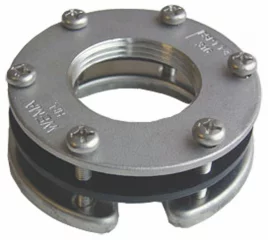

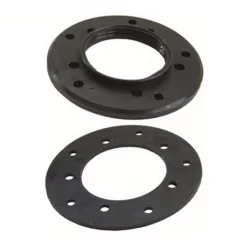
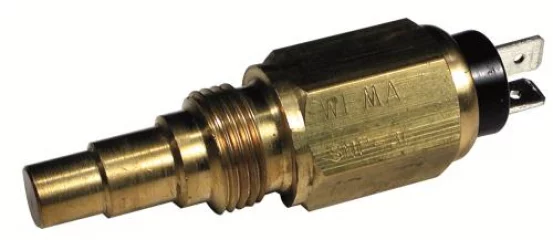
Suitable for all manufacturers such as VDO, Wema, Uflex, Faria, etc. Connects to the water thermometer.
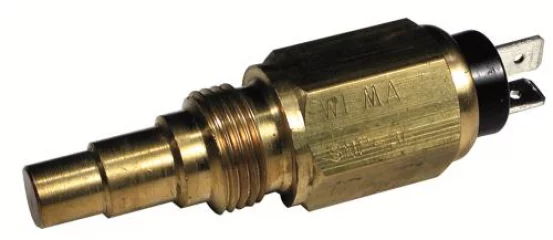
Suitable for all manufacturers such as VDO, Wema, Uflex, Faria, etc. Connects to the water thermometer.
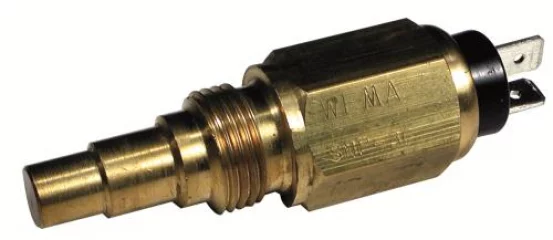
Suitable for all manufacturers such as VDO, Wema, Uflex, Faria, etc. Connects to the water thermometer.
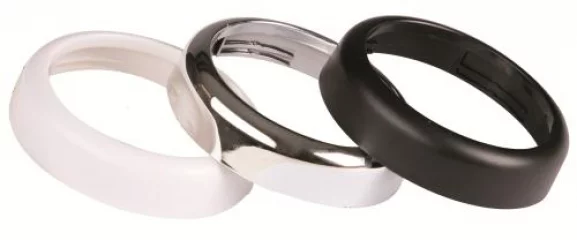
- Fits Weman 52mm meters
- Color: Black

- Material: stainless steel
- SAE 5-hole pitch
- Flange pitch Ø 54 mm
- Resistance value 0 - 190 (OHM)
- Works for all meters that operate between 0 and 190 (OHM) (start value-end value).
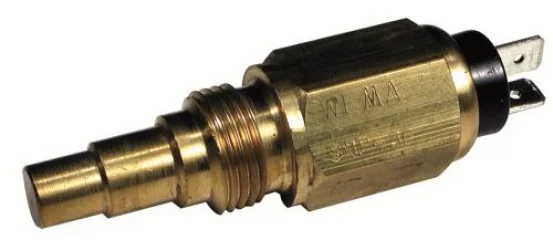
Suitable for all manufacturers such as VDO, Wema, Uflex, Faria, etc. Connects to the water thermometer.
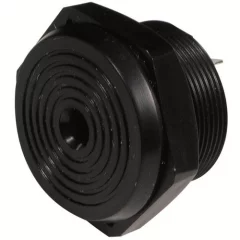
The buzzer is used together with water temperature, oil pressure and leak detection. Hole dimensions ø 32 mm. 12-24V.
- 12-24V
- Holes 32mm
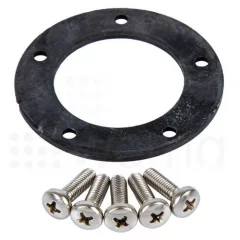
- Gasket set
- For N5/S5 sensor
- Wema original part
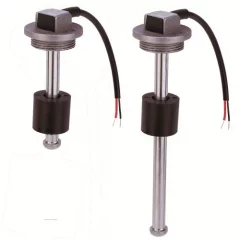
- Sensor for Wema fuel and water tank gauges
- With 1 1/4 BSP thread
- For meters that operate between 0-190 ohms
- Stainless
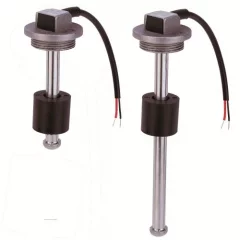
OHM NUMBER 240-30 (USA STANDARD)
A sensor made with reed technology that is suitable for both fuel and water tanks. Made of stainless steel. Sensor mounting with 1 1/4 BSP thread.
- 240-30 ohms (USA standard)
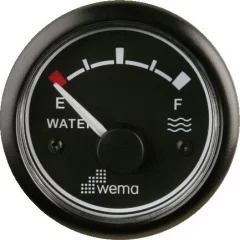
Water tank gauge for S3/S5 sensors, 0-190 . Installation Ø 52 mm, installation depth 62 mm, total Ø 62 mm. Red and yellow lighting as standard. Operating voltage 12/24 V. Black base / black frame.
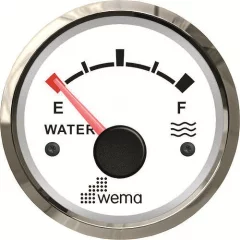
This instrument is for those who want to increase comfort on the boat and provide information on when the water tank needs to be filled. It is connected to the S3 or S5 sensor, which are available in lengths from 150 mm to 3000 mm.
Specifications:
- Color: White Silverline
- Ring/bezel: Stainless steel
- Model: Analog
- Operating range: 0-190 ohms (EU standard)
- Backlight: Red or Yellow
- Operating temperature: -25 - +70°C
- Waterproof: IP 67
- Resistant to ozone, UV radiation and salt water: Yes
- Corrosion resistant: Yes
- Power supply: 12/24 V
- Current consumption: 0-130 mA
- Mounting hole diameter: 52 mm
- External dimensions: 56 mm
- Depth: 60 mm
- Water tank meter
- 52mm
- 0-190 ohm


