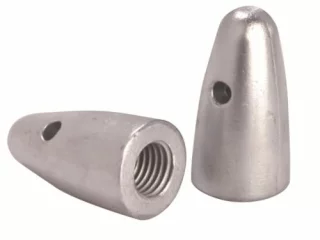
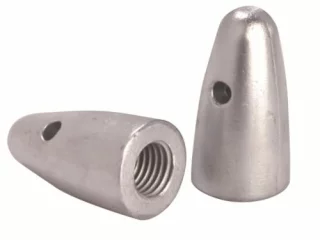
Volvo Penta anodes — corrosion protection according to original models
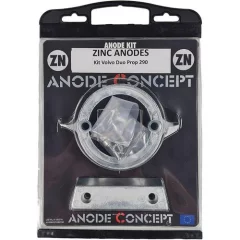
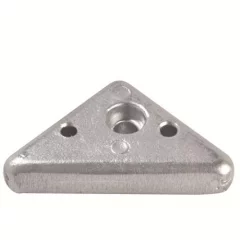
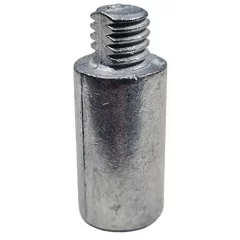
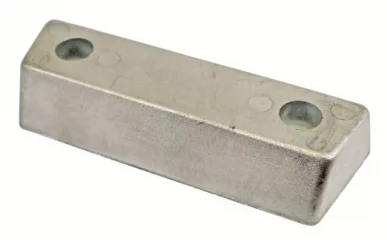
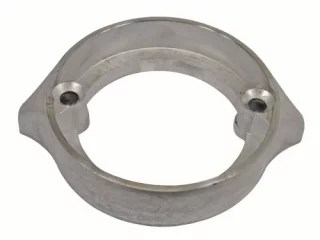
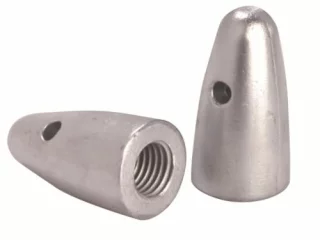
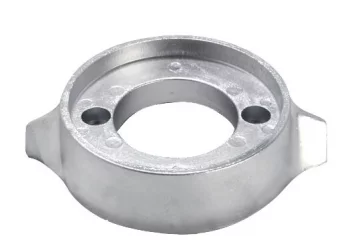
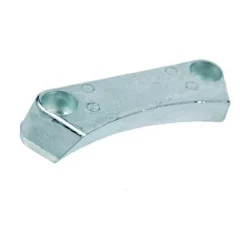
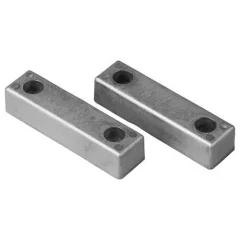
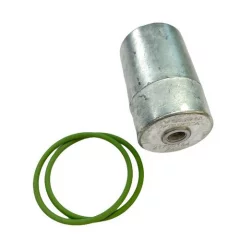
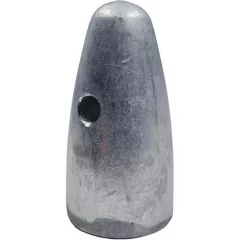
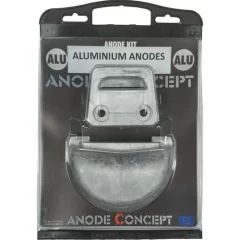
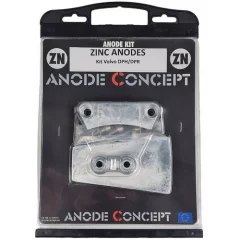
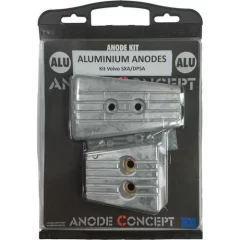
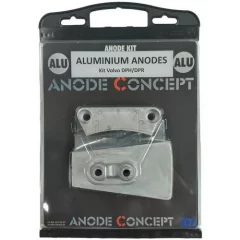
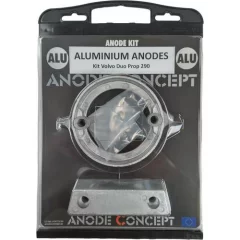
In the Volvo Penta Anodes product group, you will find precisely dimensioned anodes for Volvo Penta drives and saildrives: Anode Concept zinc anode for model 120S, Tecnoseal engine zinc series for DuoProp 280, Anode Concept zinc anode series for models 290 and 280, and Saildrive 110S model anodes both from Anode Concept and with original part number 855105.
Volvo Penta drives and saildrives are designed specifically for outboard motors, so their anodes are specifically designed for specific mounting locations and shapes — a generic anode typically won’t fit as well or protect as well as a model-specific Volvo Penta anode. The DuoProp twin-propeller system requires its own kit that covers all metal parts of the system for consistent protection.
The anode is intentionally sacrificed instead of corroding: it is the "weaker" metal in the galvanic pair between the water and the metal parts of the hull, which corrodes before more expensive parts, such as the drive frame or propeller shaft. Check the condition of the anodes at least once a season, and replace them when about half of the material has worn away — a completely worn-out anode no longer provides protection, and corrosion is transferred directly to the drive itself.
Choose the anode material according to the salinity of the water: zinc works best in salt water, while aluminum anodes provide more effective protection in fresh or brackish water. Always check the exact model version on the engine or drive unit nameplate before ordering.
Also remember that it is a good idea to check and replace the anode mounting screws at the same time if necessary — rusted or worn screws can prevent the anode from making proper electrical contact with the chassis of the traction device, causing the protection to not function at full capacity even if the anode itself is intact. Good electrical contact is as important as the anode material and the overall functionality of the corrosion protection.
If you are replacing the anode yourself for the first time, take a photo of the old anode and its location before removing it — this will make it easier to install the new anode in the correct direction and ensure that nothing is overlooked during the installation process.
Store new, unused anodes in a dry place before installation — moisture can cause surface oxidation during storage, which will reduce the anode's efficiency slightly before it has even entered the water.
Compare the anode material according to the salinity of your local water area, and seek advice if necessary if you boat in both salt and fresh water.