Boat Engine Winterisation and Autumn Maintenance – Complete Guide 2026
Boat engine winterisation refers to the maintenance procedures carried out to protect the engine from freezing, corrosion and fuel system problems during winter storage. Autumn maintenance is essential in cold climates, as an unprepared engine may suffer permanent damage after even a single freezing night. This guide provides step-by-step instructions for winterising both outboard and inboard engines.
A few hours and a relatively small investment in autumn can save considerable time and money in spring – one of the golden rules of winter boat maintenance.
Boat Engine Winterisation and Autumn Maintenance – Complete Guide 2026
Boat engine winterisation refers to the maintenance procedures carried out to protect the engine from freezing, corrosion and fuel system problems during winter storage. Autumn maintenance is essential in cold climates, as an unprepared engine may suffer permanent damage after even a single freezing night. This guide provides step-by-step instructions for winterising both outboard and inboard engines.
A few hours and a relatively small investment in autumn can save considerable time and money in spring – one of the golden rules of winter boat maintenance.
image
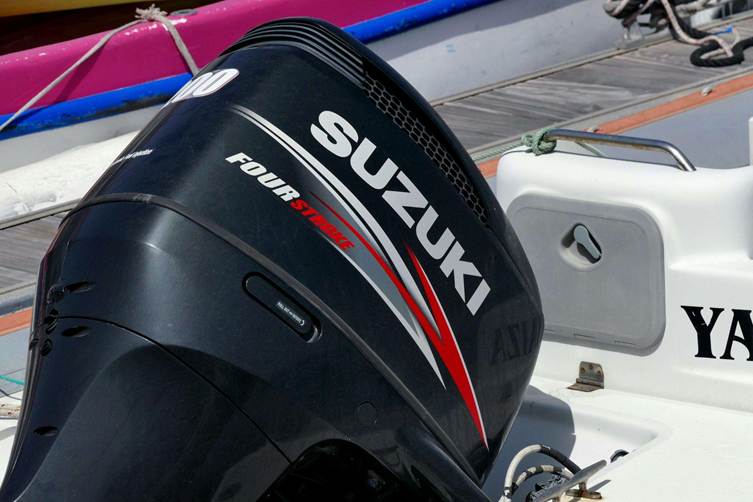
Image name: Outboard engine autumn maintenance before winter storage
Image ALT text: Outboard engine autumn maintenance before winter storage on a motorboat
Why is boat engine winterisation essential?
Freezing is one of the greatest threats to an engine that has not been properly prepared for winter. Water expands by approximately 9% when it freezes, which can crack an engine block, water pump or components of the cooling system. Freeze damage is also typically excluded from insurance coverage, and repairs can cost thousands of euros.
Failure to winterise an engine properly can result in serious problems:
Cracked engine block or exhaust manifold caused by freezing
Clogged fuel injectors caused by fuel deposits
Corrosion of metal components due to moisture and salt
Starting problems in spring caused by old fuel
Damage to the water pump impeller
A regularly serviced engine is easier to start in spring, consumes less fuel and generally lasts significantly longer than a poorly maintained engine.
Outboard Engine Winterisation Step by Step
Outboard winterisation should ideally be carried out in September or October, before the first freezing temperatures. The best time is when the boating season is coming to an end but temperatures are still above freezing.
1. Flush the Cooling System
Begin by connecting flushing muffs to the engine’s cooling-water intake. Use clean fresh water and allow the engine to idle for 10–15 minutes until it reaches operating temperature. This removes salt, sand and other contaminants from the cooling system. Flushing muffs
Allowing the engine to reach operating temperature helps ensure that the thermostat opens and flushing water circulates throughout the cooling system.
After flushing, tilt the engine fully down and allow all water to drain out. Outboards are generally designed so that the cooling system drains automatically when the engine is stored in the fully lowered position.
2. Protect the Fuel System
Fuel stabilisation is an important part of winterisation, helping prevent fuel oxidation and the formation of deposits. Add fuel stabiliser to the fuel tank according to the manufacturer's instructions – typically around 30 ml per 10 litres of fuel.
Fill the fuel tank to approximately 95% capacity. This reduces the amount of air in the tank and helps minimise condensation caused by temperature fluctuations. This is particularly important with ethanol-containing petrol such as E10, as moisture can condense inside the tank and accumulate at the bottom.
Start the engine and allow it to run for 10–15 minutes so that the stabilised fuel circulates throughout the entire fuel system, from the fuel pump to the injectors or carburettor. At the same time, replace the fuel filter and water-separating fuel filter where applicable.
3. Change the Engine Oil on Four-Stroke Engines
Changing the engine oil is one of the most important autumn maintenance procedures for a four-stroke engine. Used engine oil contains acidic by-products and contaminants that may contribute to internal corrosion during winter storage.
Warm the engine to operating temperature first so that the oil drains more easily. Drain the old oil and replace the oil filter. Refill the engine with oil that meets the manufacturer's specifications. Check the owner's manual for the correct viscosity and API classification.
4. Change the Gear Oil
Changing the lower-unit gear oil can also reveal developing problems. Remove the lower drain plug first, followed by the upper vent plug, and allow the oil to drain into a suitable container. Check the colour and condition of the oil:
Clear grey or dark oil: Generally normal – replace with fresh oil
Milky or foamy oil: Water has entered the gearcase – inspect the seals
Oil containing metal particles: May indicate gearcase wear – have the unit inspected by a professional
Fill with fresh gear oil through the lower opening until oil begins to flow from the upper opening. Replace the drain-plug seals or washers with new ones. This small precaution can help prevent expensive damage.
5. Protect Internal Engine Components with Fogging Oil
Fogging oil protects the internal surfaces of the cylinders against corrosion during winter storage.
On two-stroke engines, fogging oil can be sprayed through the air intake while the engine is running until the engine stops, where this procedure is specified by the manufacturer.
Procedures for four-stroke and EFI engines vary by model. Many modern outboards use a manufacturer-specific winterisation procedure, which may involve introducing protective oil through the fuel system or another specified method. Always follow the engine manufacturer's instructions.
6. Inspect the Sacrificial Anodes
Sacrificial anodes protect the engine's metal components against galvanic corrosion. Inspect their condition and replace them when approximately half of the original material has been consumed. Anodes generally wear more quickly on engines used in salt water.
7. External Protection and Storage
Clean the exterior surfaces of the engine and protect exposed metal components and electrical connections with a corrosion protection product such as CRC 6-66 Multi-Purpose Marine Lubricant. Lubricate moving components, including throttle and steering components, with suitable water-resistant marine grease.
Cover the engine with a breathable engine cover and store it in a dry, well-ventilated location. Avoid tightly sealed plastic covers that can trap moisture.
Winterising an Inboard or Volvo Penta Engine
Inboard engines and sterndrives generally require more extensive winterisation than outboards because their cooling systems are more complex. Correct Volvo Penta spare parts and suitable service products help ensure reliable operation and a long engine service life.
Draining the Cooling System and Protecting It with Antifreeze
The cooling system of an inboard engine must be drained thoroughly where required by the manufacturer. Open all relevant drain plugs in the engine block and exhaust manifolds. Systems such as Volvo Penta Easy Drain can make this process considerably easier.
For engines operated in salt water, protecting the raw-water side of the cooling system with antifreeze can also provide additional corrosion protection. Use a suitable propylene glycol-based, non-toxic marine antifreeze. Select a product with adequate freeze protection for the expected storage conditions, such as one rated to at least -50°C where appropriate. Antifreeze
Circulate the antifreeze through the cooling system using an appropriate flushing system or a bucket and hose arrangement where permitted by the engine manufacturer. Run the engine according to the manufacturer's instructions until antifreeze reaches the required parts of the system.
Special Considerations for Volvo Penta Engines
When servicing a Volvo Penta engine, use genuine parts or components that meet the manufacturer's required specifications. Typical maintenance items include:
Engine oil and filter: Replace using suitable Volvo Penta oils and oil filters
Fuel filter: Replace the fuel filter according to the service schedule
Impeller: Inspect the impeller and replace it according to the manufacturer's service interval or when necessary
Drive belts: Check the condition and tension of the drive belts
Coolant: Check the freeze protection of the coolant with an appropriate tester
Ready-made Volvo Penta service kits contain the service parts required for specific applications and make it easier to select compatible components.
Special Considerations When Winterising a Diesel Engine
Diesel engines require particular attention during winter storage. Diesel fuel can support microbial growth, including bacteria and fungi, especially when water is present in the fuel system. This contamination can clog fuel filters and cause serious operating problems.
Add an appropriate diesel fuel additive where required. Depending on the type of fuel, storage conditions and engine manufacturer's instructions, this may include a stabilising or antimicrobial treatment. Suitable cold-weather diesel fuel or an approved anti-gelling additive may also be required in freezing conditions.
Diesel fuel system maintenance may include:
Fuel filter replacement: Replace according to the manufacturer's maintenance schedule
Drain the water separator: Remove accumulated water from the system
Inspect the fuel tank: Check for water, sediment and contamination
Protect the injection system: Follow the engine manufacturer's recommended storage procedure
The raw-water cooling system of a marine diesel engine should also be periodically inspected and cleaned according to the manufacturer's service recommendations. Salt deposits, corrosion and other contamination can accumulate inside cooling passages and reduce cooling efficiency.
Battery Winter Storage and Maintenance
Boat batteries are affected by prolonged periods of inactivity and, particularly when discharged, by freezing temperatures. A fully charged lead-acid battery has a much lower freezing point than a discharged battery. If the electrolyte freezes, the battery may be permanently damaged.
Steps for winter battery storage:
Disconnect the battery: Disconnect the negative terminal first, followed by the positive terminal
Clean the terminals: Remove oxidation and protect the terminals with suitable terminal grease
Fully charge the battery: Use a charger suitable for the battery technology
Store correctly: Follow the battery manufacturer's storage recommendations
Maintain the charge: Use a maintenance charger where suitable or periodically check and recharge the battery
AGM and lithium batteries may require different charging profiles. Always make sure the charger is compatible with the battery technology, as an incorrect charging profile may damage the battery.
Propeller Maintenance and Inspection
Autumn maintenance is an ideal opportunity to inspect the propeller. Remove the propeller and check the following:
Blades: Are there any dents, bends or cracks?
Edges: Are the leading edges worn or damaged?
Hub: Is there excessive wear around the mounting surfaces?
Propeller shaft: Is fishing line, rope or debris wrapped around the shaft?
Clean the propeller shaft and apply suitable water-resistant marine grease before reinstalling the propeller. If the propeller is damaged, consider having it repaired or replacing it with a new propeller. Bent or damaged blades may increase fuel consumption and cause vibration.
If appropriate for the engine and storage conditions, the propeller can also be removed for winter storage. Follow the engine manufacturer's recommendations.
Common Mistakes When Winterising an Outboard
Mistakes during winterisation can lead to expensive repairs in spring. Knowing the most common problems helps you avoid them.
| Mistake | Possible consequence | Solution |
|---|---|---|
| Cooling system not drained correctly | Freeze damage to the engine or cooling system | Ensure the system drains correctly and follow the manufacturer's winterisation procedure |
| Fuel system not prepared for storage | Clogged injectors or starting problems | Use appropriate fuel treatment and circulate treated fuel through the system where required |
| Engine oil not changed | Contaminants remain in the engine during storage | Change the oil and filter according to the manufacturer's service schedule |
| Gear oil not inspected | Water intrusion may go unnoticed | Drain or inspect the gear oil and investigate abnormal colour or contamination |
| Battery left discharged | Battery may discharge deeply or suffer freeze damage | Charge the battery and store or maintain it according to the manufacturer's instructions |
Winterisation Checklist
Use this checklist to make sure nothing is forgotten.
Fuel System
☐ Add fuel stabiliser where required
☐ Prepare the fuel tank according to the engine and fuel-system manufacturer's instructions
☐ Run the engine to circulate treated fuel where specified
☐ Replace the fuel filter where required
☐ Replace or service the water-separating fuel filter
Cooling System
☐ Flush with fresh water
☐ Drain water from the cooling system as instructed
☐ Circulate antifreeze where required, particularly on inboard engines
☐ Check the condition of the impeller
Lubrication
☐ Change the engine oil and filter on four-stroke engines according to the service schedule
☐ Change or inspect the gear oil
☐ Lubricate all grease fittings
☐ Lubricate steering components and other moving parts
Electrical System
☐ Disconnect and fully charge the battery where appropriate
☐ Protect electrical connections against corrosion
☐ Inspect the spark plugs and replace them if necessary
External Protection
☐ Clean the engine exterior
☐ Replace sacrificial anodes when necessary
☐ Apply suitable corrosion protection
☐ Use a breathable cover
☐ Inspect the propeller and grease the propeller shaft where specified
When Should You Use a Professional Marine Mechanic?
Although many outboard maintenance procedures can be carried out by experienced boat owners, professional assistance is advisable in certain situations:
Water or metal particles are found in the gear oil
The engine has suffered running problems during the boating season
You are uncertain how to drain or protect an inboard cooling system correctly
The engine is new or still covered by warranty
The drive, universal joints, bellows or other sterndrive components require inspection
Many marine service companies offer winterisation packages that include the required maintenance procedures as a complete service.
Winterisation and Maintenance Products from Marinekauppa
Having the correct products makes winter maintenance easier. Marinekauppa offers a wide selection of products for servicing and winterising marine engines:
Spare Parts for Different Engine Brands
Marinekauppa offers spare parts and maintenance products for the following engine brands:
Suzuki
Yamaha
Mercury
Honda
Evinrude
Hyundai
Volvo Penta
Yanmar
MerCruiser
Frequently Asked Questions About Boat Engine Winterisation
How much does it cost to winterise an outboard engine?
When carrying out the work yourself, the cost of maintenance materials will depend considerably on the engine size, model and required service items. Typical products include oils, filters, fuel treatment products and, where required, antifreeze.
Professional winterisation prices vary depending on the engine and the work included in the service package.
By comparison, repairs caused by freeze damage or water intrusion can cost considerably more than preventive maintenance and may, in severe cases, require major engine repairs or replacement.
Can I winterise an outboard engine myself?
Many routine outboard winterisation procedures can be carried out by boat owners with basic tools. The most important requirement is to follow the engine manufacturer's instructions carefully.
If you are uncertain about any stage of the process, consult a qualified marine mechanic or refer to the manufacturer's official service instructions and videos.
When should an engine be winterised?
Winterisation should be completed when the boating season ends and before the engine is exposed to freezing temperatures. Do not wait until after the first frost if the engine or cooling system still contains water that could freeze.
Does an outboard engine need antifreeze?
Many outboard cooling systems are designed to drain when the engine is stored fully lowered. Whether antifreeze should be used depends on the engine design and the manufacturer's instructions.
Inboard and sterndrive installations may require a different procedure. Always follow the engine manufacturer's winterisation instructions for the specific model.
Should the fuel tank be emptied or filled for winter storage?
The correct procedure depends on the fuel system, fuel type, tank material and engine manufacturer's recommendations. Some systems are stored with treated fuel in the tank, while other manufacturers may specify a different procedure.
Always follow the recommendations for your specific engine and fuel system, and use an appropriate fuel stabiliser where required.
How long does engine winterisation take?
The time required depends on the engine type, installation and scope of the maintenance. A thorough outboard service may take several hours, particularly when oil, filters, gear oil, spark plugs and other service items are replaced.
Inboard and sterndrive installations are generally more labour-intensive due to their cooling systems and additional service points.
Boat Engine Winterisation and Autumn Maintenance – Complete Guide 2026
Boat engine winterisation refers to the maintenance procedures carried out to protect the engine from freezing, corrosion and fuel system problems during winter storage. Autumn maintenance is essential in cold climates, as an unprepared engine may suffer permanent damage after even a single freezing night. This guide provides step-by-step instructions for winterising both outboard and inboard engines.
A few hours and a relatively small investment in autumn can save considerable time and money in spring – one of the golden rules of winter boat maintenance.
image
Image name: Outboard engine autumn maintenance before winter storage
Image ALT text: Outboard engine autumn maintenance before winter storage on a motorboat
Why is boat engine winterisation essential?
Freezing is one of the greatest threats to an engine that has not been properly prepared for winter. Water expands by approximately 9% when it freezes, which can crack an engine block, water pump or components of the cooling system. Freeze damage is also typically excluded from insurance coverage, and repairs can cost thousands of euros.
Failure to winterise an engine properly can result in serious problems:
Cracked engine block or exhaust manifold caused by freezing
Clogged fuel injectors caused by fuel deposits
Corrosion of metal components due to moisture and salt
Starting problems in spring caused by old fuel
Damage to the water pump impeller
A regularly serviced engine is easier to start in spring, consumes less fuel and generally lasts significantly longer than a poorly maintained engine.
Outboard Engine Winterisation Step by Step
Outboard winterisation should ideally be carried out in September or October, before the first freezing temperatures. The best time is when the boating season is coming to an end but temperatures are still above freezing.
1. Flush the Cooling System
Begin by connecting flushing muffs to the engine’s cooling-water intake. Use clean fresh water and allow the engine to idle for 10–15 minutes until it reaches operating temperature. This removes salt, sand and other contaminants from the cooling system. Flushing muffs
Allowing the engine to reach operating temperature helps ensure that the thermostat opens and flushing water circulates throughout the cooling system.
After flushing, tilt the engine fully down and allow all water to drain out. Outboards are generally designed so that the cooling system drains automatically when the engine is stored in the fully lowered position.
2. Protect the Fuel System
Fuel stabilisation is an important part of winterisation, helping prevent fuel oxidation and the formation of deposits. Add fuel stabiliser to the fuel tank according to the manufacturer's instructions – typically around 30 ml per 10 litres of fuel.
Fill the fuel tank to approximately 95% capacity. This reduces the amount of air in the tank and helps minimise condensation caused by temperature fluctuations. This is particularly important with ethanol-containing petrol such as E10, as moisture can condense inside the tank and accumulate at the bottom.
Start the engine and allow it to run for 10–15 minutes so that the stabilised fuel circulates throughout the entire fuel system, from the fuel pump to the injectors or carburettor. At the same time, replace the fuel filter and water-separating fuel filter where applicable.
3. Change the Engine Oil on Four-Stroke Engines
Changing the engine oil is one of the most important autumn maintenance procedures for a four-stroke engine. Used engine oil contains acidic by-products and contaminants that may contribute to internal corrosion during winter storage.
Warm the engine to operating temperature first so that the oil drains more easily. Drain the old oil and replace the oil filter. Refill the engine with oil that meets the manufacturer's specifications. Check the owner's manual for the correct viscosity and API classification.
4. Change the Gear Oil
Changing the lower-unit gear oil can also reveal developing problems. Remove the lower drain plug first, followed by the upper vent plug, and allow the oil to drain into a suitable container. Check the colour and condition of the oil:
Clear grey or dark oil: Generally normal – replace with fresh oil
Milky or foamy oil: Water has entered the gearcase – inspect the seals
Oil containing metal particles: May indicate gearcase wear – have the unit inspected by a professional
Fill with fresh gear oil through the lower opening until oil begins to flow from the upper opening. Replace the drain-plug seals or washers with new ones. This small precaution can help prevent expensive damage.
5. Protect Internal Engine Components with Fogging Oil
Fogging oil protects the internal surfaces of the cylinders against corrosion during winter storage.
On two-stroke engines, fogging oil can be sprayed through the air intake while the engine is running until the engine stops, where this procedure is specified by the manufacturer.
Procedures for four-stroke and EFI engines vary by model. Many modern outboards use a manufacturer-specific winterisation procedure, which may involve introducing protective oil through the fuel system or another specified method. Always follow the engine manufacturer's instructions.
6. Inspect the Sacrificial Anodes
Sacrificial anodes protect the engine's metal components against galvanic corrosion. Inspect their condition and replace them when approximately half of the original material has been consumed. Anodes generally wear more quickly on engines used in salt water.
7. External Protection and Storage
Clean the exterior surfaces of the engine and protect exposed metal components and electrical connections with a corrosion protection product such as CRC 6-66 Multi-Purpose Marine Lubricant. Lubricate moving components, including throttle and steering components, with suitable water-resistant marine grease.
Cover the engine with a breathable engine cover and store it in a dry, well-ventilated location. Avoid tightly sealed plastic covers that can trap moisture.
Winterising an Inboard or Volvo Penta Engine
Inboard engines and sterndrives generally require more extensive winterisation than outboards because their cooling systems are more complex. Correct Volvo Penta spare parts and suitable service products help ensure reliable operation and a long engine service life.
Draining the Cooling System and Protecting It with Antifreeze
The cooling system of an inboard engine must be drained thoroughly where required by the manufacturer. Open all relevant drain plugs in the engine block and exhaust manifolds. Systems such as Volvo Penta Easy Drain can make this process considerably easier.
For engines operated in salt water, protecting the raw-water side of the cooling system with antifreeze can also provide additional corrosion protection. Use a suitable propylene glycol-based, non-toxic marine antifreeze. Select a product with adequate freeze protection for the expected storage conditions, such as one rated to at least -50°C where appropriate. Antifreeze
Circulate the antifreeze through the cooling system using an appropriate flushing system or a bucket and hose arrangement where permitted by the engine manufacturer. Run the engine according to the manufacturer's instructions until antifreeze reaches the required parts of the system.
Special Considerations for Volvo Penta Engines
When servicing a Volvo Penta engine, use genuine parts or components that meet the manufacturer's required specifications. Typical maintenance items include:
Engine oil and filter: Replace using suitable Volvo Penta oils and oil filters
Fuel filter: Replace the fuel filter according to the service schedule
Impeller: Inspect the impeller and replace it according to the manufacturer's service interval or when necessary
Drive belts: Check the condition and tension of the drive belts
Coolant: Check the freeze protection of the coolant with an appropriate tester
Ready-made Volvo Penta service kits contain the service parts required for specific applications and make it easier to select compatible components.
Special Considerations When Winterising a Diesel Engine
Diesel engines require particular attention during winter storage. Diesel fuel can support microbial growth, including bacteria and fungi, especially when water is present in the fuel system. This contamination can clog fuel filters and cause serious operating problems.
Add an appropriate diesel fuel additive where required. Depending on the type of fuel, storage conditions and engine manufacturer's instructions, this may include a stabilising or antimicrobial treatment. Suitable cold-weather diesel fuel or an approved anti-gelling additive may also be required in freezing conditions.
Diesel fuel system maintenance may include:
Fuel filter replacement: Replace according to the manufacturer's maintenance schedule
Drain the water separator: Remove accumulated water from the system
Inspect the fuel tank: Check for water, sediment and contamination
Protect the injection system: Follow the engine manufacturer's recommended storage procedure
The raw-water cooling system of a marine diesel engine should also be periodically inspected and cleaned according to the manufacturer's service recommendations. Salt deposits, corrosion and other contamination can accumulate inside cooling passages and reduce cooling efficiency.
Battery Winter Storage and Maintenance
Boat batteries are affected by prolonged periods of inactivity and, particularly when discharged, by freezing temperatures. A fully charged lead-acid battery has a much lower freezing point than a discharged battery. If the electrolyte freezes, the battery may be permanently damaged.
Steps for winter battery storage:
Disconnect the battery: Disconnect the negative terminal first, followed by the positive terminal
Clean the terminals: Remove oxidation and protect the terminals with suitable terminal grease
Fully charge the battery: Use a charger suitable for the battery technology
Store correctly: Follow the battery manufacturer's storage recommendations
Maintain the charge: Use a maintenance charger where suitable or periodically check and recharge the battery
AGM and lithium batteries may require different charging profiles. Always make sure the charger is compatible with the battery technology, as an incorrect charging profile may damage the battery.
Propeller Maintenance and Inspection
Autumn maintenance is an ideal opportunity to inspect the propeller. Remove the propeller and check the following:
Blades: Are there any dents, bends or cracks?
Edges: Are the leading edges worn or damaged?
Hub: Is there excessive wear around the mounting surfaces?
Propeller shaft: Is fishing line, rope or debris wrapped around the shaft?
Clean the propeller shaft and apply suitable water-resistant marine grease before reinstalling the propeller. If the propeller is damaged, consider having it repaired or replacing it with a new propeller. Bent or damaged blades may increase fuel consumption and cause vibration.
If appropriate for the engine and storage conditions, the propeller can also be removed for winter storage. Follow the engine manufacturer's recommendations.
Common Mistakes When Winterising an Outboard
Mistakes during winterisation can lead to expensive repairs in spring. Knowing the most common problems helps you avoid them.
| Mistake | Possible consequence | Solution |
|---|---|---|
| Cooling system not drained correctly | Freeze damage to the engine or cooling system | Ensure the system drains correctly and follow the manufacturer's winterisation procedure |
| Fuel system not prepared for storage | Clogged injectors or starting problems | Use appropriate fuel treatment and circulate treated fuel through the system where required |
| Engine oil not changed | Contaminants remain in the engine during storage | Change the oil and filter according to the manufacturer's service schedule |
| Gear oil not inspected | Water intrusion may go unnoticed | Drain or inspect the gear oil and investigate abnormal colour or contamination |
| Battery left discharged | Battery may discharge deeply or suffer freeze damage | Charge the battery and store or maintain it according to the manufacturer's instructions |
Winterisation Checklist
Use this checklist to make sure nothing is forgotten.
Fuel System
☐ Add fuel stabiliser where required
☐ Prepare the fuel tank according to the engine and fuel-system manufacturer's instructions
☐ Run the engine to circulate treated fuel where specified
☐ Replace the fuel filter where required
☐ Replace or service the water-separating fuel filter
Cooling System
☐ Flush with fresh water
☐ Drain water from the cooling system as instructed
☐ Circulate antifreeze where required, particularly on inboard engines
☐ Check the condition of the impeller
Lubrication
☐ Change the engine oil and filter on four-stroke engines according to the service schedule
☐ Change or inspect the gear oil
☐ Lubricate all grease fittings
☐ Lubricate steering components and other moving parts
Electrical System
☐ Disconnect and fully charge the battery where appropriate
☐ Protect electrical connections against corrosion
☐ Inspect the spark plugs and replace them if necessary
External Protection
☐ Clean the engine exterior
☐ Replace sacrificial anodes when necessary
☐ Apply suitable corrosion protection
☐ Use a breathable cover
☐ Inspect the propeller and grease the propeller shaft where specified
When Should You Use a Professional Marine Mechanic?
Although many outboard maintenance procedures can be carried out by experienced boat owners, professional assistance is advisable in certain situations:
Water or metal particles are found in the gear oil
The engine has suffered running problems during the boating season
You are uncertain how to drain or protect an inboard cooling system correctly
The engine is new or still covered by warranty
The drive, universal joints, bellows or other sterndrive components require inspection
Many marine service companies offer winterisation packages that include the required maintenance procedures as a complete service.
Winterisation and Maintenance Products from Marinekauppa
Having the correct products makes winter maintenance easier. Marinekauppa offers a wide selection of products for servicing and winterising marine engines:
Spare Parts for Different Engine Brands
Marinekauppa offers spare parts and maintenance products for the following engine brands:
Suzuki
Yamaha
Mercury
Honda
Evinrude
Hyundai
Volvo Penta
Yanmar
MerCruiser
Frequently Asked Questions About Boat Engine Winterisation
How much does it cost to winterise an outboard engine?
When carrying out the work yourself, the cost of maintenance materials will depend considerably on the engine size, model and required service items. Typical products include oils, filters, fuel treatment products and, where required, antifreeze.
Professional winterisation prices vary depending on the engine and the work included in the service package.
By comparison, repairs caused by freeze damage or water intrusion can cost considerably more than preventive maintenance and may, in severe cases, require major engine repairs or replacement.
Can I winterise an outboard engine myself?
Many routine outboard winterisation procedures can be carried out by boat owners with basic tools. The most important requirement is to follow the engine manufacturer's instructions carefully.
If you are uncertain about any stage of the process, consult a qualified marine mechanic or refer to the manufacturer's official service instructions and videos.
When should an engine be winterised?
Winterisation should be completed when the boating season ends and before the engine is exposed to freezing temperatures. Do not wait until after the first frost if the engine or cooling system still contains water that could freeze.
Does an outboard engine need antifreeze?
Many outboard cooling systems are designed to drain when the engine is stored fully lowered. Whether antifreeze should be used depends on the engine design and the manufacturer's instructions.
Inboard and sterndrive installations may require a different procedure. Always follow the engine manufacturer's winterisation instructions for the specific model.
Should the fuel tank be emptied or filled for winter storage?
The correct procedure depends on the fuel system, fuel type, tank material and engine manufacturer's recommendations. Some systems are stored with treated fuel in the tank, while other manufacturers may specify a different procedure.
Always follow the recommendations for your specific engine and fuel system, and use an appropriate fuel stabiliser where required.
How long does engine winterisation take?
The time required depends on the engine type, installation and scope of the maintenance. A thorough outboard service may take several hours, particularly when oil, filters, gear oil, spark plugs and other service items are replaced.
Inboard and sterndrive installations are generally more labour-intensive due to their cooling systems and additional service points.
image
Image name: Boat engine winterisation for an outboard
Image ALT text: Winterisation protects an outboard engine against freezing and corrosion
Spring Commissioning – Preparing the Engine for the New Season
Careful winterisation makes spring commissioning much easier. Before launching the boat for the first time, carry out the following checks:
Check the oil level: Make sure the engine oil level is correct
Install the battery: Fully charge the battery and connect the terminals in the correct order
Check the fuel: Make sure the fuel system is free from water and contamination
Test the cooling system: Start the engine using an approved flushing method and verify correct cooling-water circulation
Test-run the engine: Allow it to reach operating temperature and monitor its operation
During the first outings of the season, monitor the engine carefully. Listen for unusual noises, watch the engine temperature and check for leaks. Correct winter maintenance helps ensure that the engine is ready for reliable operation when the boating season begins.
Summary
Winterising a boat engine is preventive maintenance that can help avoid expensive repairs and unnecessary problems in spring. A few hours spent carrying out the correct autumn maintenance can significantly reduce the risk of damage during winter storage.
The essential steps include preparing and draining the cooling system correctly, protecting the fuel system, changing oils where required and protecting the engine against corrosion. Always follow the service and winterisation instructions supplied by the engine manufacturer.
Sources and Further Information
Disclaimer: This guide provides general information only and does not replace the operating, installation or maintenance instructions supplied by the product or engine manufacturer. Marinekauppa accepts no responsibility for work carried out on the basis of this guide or for any resulting damage or consequences. Always consult the instructions for the specific product or engine and use a qualified professional where necessary.
Boat Engine Winterisation and Autumn Maintenance – Complete Guide 2026
Boat engine winterisation refers to the maintenance procedures carried out to protect the engine from freezing, corrosion and fuel system problems during winter storage. Autumn maintenance is essential in cold climates, as an unprepared engine may suffer permanent damage after even a single freezing night. This guide provides step-by-step instructions for winterising both outboard and inboard engines.
A few hours and a relatively small investment in autumn can save considerable time and money in spring – one of the golden rules of winter boat maintenance.
image
Image name: Outboard engine autumn maintenance before winter storage
Image ALT text: Outboard engine autumn maintenance before winter storage on a motorboat
Why is boat engine winterisation essential?
Freezing is one of the greatest threats to an engine that has not been properly prepared for winter. Water expands by approximately 9% when it freezes, which can crack an engine block, water pump or components of the cooling system. Freeze damage is also typically excluded from insurance coverage, and repairs can cost thousands of euros.
Failure to winterise an engine properly can result in serious problems:
Cracked engine block or exhaust manifold caused by freezing
Clogged fuel injectors caused by fuel deposits
Corrosion of metal components due to moisture and salt
Starting problems in spring caused by old fuel
Damage to the water pump impeller
A regularly serviced engine is easier to start in spring, consumes less fuel and generally lasts significantly longer than a poorly maintained engine.
Outboard Engine Winterisation Step by Step
Outboard winterisation should ideally be carried out in September or October, before the first freezing temperatures. The best time is when the boating season is coming to an end but temperatures are still above freezing.
1. Flush the Cooling System
Begin by connecting flushing muffs to the engine’s cooling-water intake. Use clean fresh water and allow the engine to idle for 10–15 minutes until it reaches operating temperature. This removes salt, sand and other contaminants from the cooling system. Flushing muffs
Allowing the engine to reach operating temperature helps ensure that the thermostat opens and flushing water circulates throughout the cooling system.
After flushing, tilt the engine fully down and allow all water to drain out. Outboards are generally designed so that the cooling system drains automatically when the engine is stored in the fully lowered position.
2. Protect the Fuel System
Fuel stabilisation is an important part of winterisation, helping prevent fuel oxidation and the formation of deposits. Add fuel stabiliser to the fuel tank according to the manufacturer's instructions – typically around 30 ml per 10 litres of fuel.
Fill the fuel tank to approximately 95% capacity. This reduces the amount of air in the tank and helps minimise condensation caused by temperature fluctuations. This is particularly important with ethanol-containing petrol such as E10, as moisture can condense inside the tank and accumulate at the bottom.
Start the engine and allow it to run for 10–15 minutes so that the stabilised fuel circulates throughout the entire fuel system, from the fuel pump to the injectors or carburettor. At the same time, replace the fuel filter and water-separating fuel filter where applicable.
3. Change the Engine Oil on Four-Stroke Engines
Changing the engine oil is one of the most important autumn maintenance procedures for a four-stroke engine. Used engine oil contains acidic by-products and contaminants that may contribute to internal corrosion during winter storage.
Warm the engine to operating temperature first so that the oil drains more easily. Drain the old oil and replace the oil filter. Refill the engine with oil that meets the manufacturer's specifications. Check the owner's manual for the correct viscosity and API classification.
4. Change the Gear Oil
Changing the lower-unit gear oil can also reveal developing problems. Remove the lower drain plug first, followed by the upper vent plug, and allow the oil to drain into a suitable container. Check the colour and condition of the oil:
Clear grey or dark oil: Generally normal – replace with fresh oil
Milky or foamy oil: Water has entered the gearcase – inspect the seals
Oil containing metal particles: May indicate gearcase wear – have the unit inspected by a professional
Fill with fresh gear oil through the lower opening until oil begins to flow from the upper opening. Replace the drain-plug seals or washers with new ones. This small precaution can help prevent expensive damage.
5. Protect Internal Engine Components with Fogging Oil
Fogging oil protects the internal surfaces of the cylinders against corrosion during winter storage.
On two-stroke engines, fogging oil can be sprayed through the air intake while the engine is running until the engine stops, where this procedure is specified by the manufacturer.
Procedures for four-stroke and EFI engines vary by model. Many modern outboards use a manufacturer-specific winterisation procedure, which may involve introducing protective oil through the fuel system or another specified method. Always follow the engine manufacturer's instructions.
6. Inspect the Sacrificial Anodes
Sacrificial anodes protect the engine's metal components against galvanic corrosion. Inspect their condition and replace them when approximately half of the original material has been consumed. Anodes generally wear more quickly on engines used in salt water.
7. External Protection and Storage
Clean the exterior surfaces of the engine and protect exposed metal components and electrical connections with a corrosion protection product such as CRC 6-66 Multi-Purpose Marine Lubricant. Lubricate moving components, including throttle and steering components, with suitable water-resistant marine grease.
Cover the engine with a breathable engine cover and store it in a dry, well-ventilated location. Avoid tightly sealed plastic covers that can trap moisture.
Winterising an Inboard or Volvo Penta Engine
Inboard engines and sterndrives generally require more extensive winterisation than outboards because their cooling systems are more complex. Correct Volvo Penta spare parts and suitable service products help ensure reliable operation and a long engine service life.
Draining the Cooling System and Protecting It with Antifreeze
The cooling system of an inboard engine must be drained thoroughly where required by the manufacturer. Open all relevant drain plugs in the engine block and exhaust manifolds. Systems such as Volvo Penta Easy Drain can make this process considerably easier.
For engines operated in salt water, protecting the raw-water side of the cooling system with antifreeze can also provide additional corrosion protection. Use a suitable propylene glycol-based, non-toxic marine antifreeze. Select a product with adequate freeze protection for the expected storage conditions, such as one rated to at least -50°C where appropriate. Antifreeze
Circulate the antifreeze through the cooling system using an appropriate flushing system or a bucket and hose arrangement where permitted by the engine manufacturer. Run the engine according to the manufacturer's instructions until antifreeze reaches the required parts of the system.
Special Considerations for Volvo Penta Engines
When servicing a Volvo Penta engine, use genuine parts or components that meet the manufacturer's required specifications. Typical maintenance items include:
Engine oil and filter: Replace using suitable Volvo Penta oils and oil filters
Fuel filter: Replace the fuel filter according to the service schedule
Impeller: Inspect the impeller and replace it according to the manufacturer's service interval or when necessary
Drive belts: Check the condition and tension of the drive belts
Coolant: Check the freeze protection of the coolant with an appropriate tester
Ready-made Volvo Penta service kits contain the service parts required for specific applications and make it easier to select compatible components.
Special Considerations When Winterising a Diesel Engine
Diesel engines require particular attention during winter storage. Diesel fuel can support microbial growth, including bacteria and fungi, especially when water is present in the fuel system. This contamination can clog fuel filters and cause serious operating problems.
Add an appropriate diesel fuel additive where required. Depending on the type of fuel, storage conditions and engine manufacturer's instructions, this may include a stabilising or antimicrobial treatment. Suitable cold-weather diesel fuel or an approved anti-gelling additive may also be required in freezing conditions.
Diesel fuel system maintenance may include:
Fuel filter replacement: Replace according to the manufacturer's maintenance schedule
Drain the water separator: Remove accumulated water from the system
Inspect the fuel tank: Check for water, sediment and contamination
Protect the injection system: Follow the engine manufacturer's recommended storage procedure
The raw-water cooling system of a marine diesel engine should also be periodically inspected and cleaned according to the manufacturer's service recommendations. Salt deposits, corrosion and other contamination can accumulate inside cooling passages and reduce cooling efficiency.
Battery Winter Storage and Maintenance
Boat batteries are affected by prolonged periods of inactivity and, particularly when discharged, by freezing temperatures. A fully charged lead-acid battery has a much lower freezing point than a discharged battery. If the electrolyte freezes, the battery may be permanently damaged.
Steps for winter battery storage:
Disconnect the battery: Disconnect the negative terminal first, followed by the positive terminal
Clean the terminals: Remove oxidation and protect the terminals with suitable terminal grease
Fully charge the battery: Use a charger suitable for the battery technology
Store correctly: Follow the battery manufacturer's storage recommendations
Maintain the charge: Use a maintenance charger where suitable or periodically check and recharge the battery
AGM and lithium batteries may require different charging profiles. Always make sure the charger is compatible with the battery technology, as an incorrect charging profile may damage the battery.
Propeller Maintenance and Inspection
Autumn maintenance is an ideal opportunity to inspect the propeller. Remove the propeller and check the following:
Blades: Are there any dents, bends or cracks?
Edges: Are the leading edges worn or damaged?
Hub: Is there excessive wear around the mounting surfaces?
Propeller shaft: Is fishing line, rope or debris wrapped around the shaft?
Clean the propeller shaft and apply suitable water-resistant marine grease before reinstalling the propeller. If the propeller is damaged, consider having it repaired or replacing it with a new propeller. Bent or damaged blades may increase fuel consumption and cause vibration.
If appropriate for the engine and storage conditions, the propeller can also be removed for winter storage. Follow the engine manufacturer's recommendations.
Common Mistakes When Winterising an Outboard
Mistakes during winterisation can lead to expensive repairs in spring. Knowing the most common problems helps you avoid them.
| Mistake | Possible consequence | Solution |
|---|---|---|
| Cooling system not drained correctly | Freeze damage to the engine or cooling system | Ensure the system drains correctly and follow the manufacturer's winterisation procedure |
| Fuel system not prepared for storage | Clogged injectors or starting problems | Use appropriate fuel treatment and circulate treated fuel through the system where required |
| Engine oil not changed | Contaminants remain in the engine during storage | Change the oil and filter according to the manufacturer's service schedule |
| Gear oil not inspected | Water intrusion may go unnoticed | Drain or inspect the gear oil and investigate abnormal colour or contamination |
| Battery left discharged | Battery may discharge deeply or suffer freeze damage | Charge the battery and store or maintain it according to the manufacturer's instructions |
Winterisation Checklist
Use this checklist to make sure nothing is forgotten.
Fuel System
☐ Add fuel stabiliser where required
☐ Prepare the fuel tank according to the engine and fuel-system manufacturer's instructions
☐ Run the engine to circulate treated fuel where specified
☐ Replace the fuel filter where required
☐ Replace or service the water-separating fuel filter
Cooling System
☐ Flush with fresh water
☐ Drain water from the cooling system as instructed
☐ Circulate antifreeze where required, particularly on inboard engines
☐ Check the condition of the impeller
Lubrication
☐ Change the engine oil and filter on four-stroke engines according to the service schedule
☐ Change or inspect the gear oil
☐ Lubricate all grease fittings
☐ Lubricate steering components and other moving parts
Electrical System
☐ Disconnect and fully charge the battery where appropriate
☐ Protect electrical connections against corrosion
☐ Inspect the spark plugs and replace them if necessary
External Protection
☐ Clean the engine exterior
☐ Replace sacrificial anodes when necessary
☐ Apply suitable corrosion protection
☐ Use a breathable cover
☐ Inspect the propeller and grease the propeller shaft where specified
When Should You Use a Professional Marine Mechanic?
Although many outboard maintenance procedures can be carried out by experienced boat owners, professional assistance is advisable in certain situations:
Water or metal particles are found in the gear oil
The engine has suffered running problems during the boating season
You are uncertain how to drain or protect an inboard cooling system correctly
The engine is new or still covered by warranty
The drive, universal joints, bellows or other sterndrive components require inspection
Many marine service companies offer winterisation packages that include the required maintenance procedures as a complete service.
Winterisation and Maintenance Products from Marinekauppa
Having the correct products makes winter maintenance easier. Marinekauppa offers a wide selection of products for servicing and winterising marine engines:
Spare Parts for Different Engine Brands
Marinekauppa offers spare parts and maintenance products for the following engine brands:
Suzuki
Yamaha
Mercury
Honda
Evinrude
Hyundai
Volvo Penta
Yanmar
MerCruiser
Frequently Asked Questions About Boat Engine Winterisation
How much does it cost to winterise an outboard engine?
When carrying out the work yourself, the cost of maintenance materials will depend considerably on the engine size, model and required service items. Typical products include oils, filters, fuel treatment products and, where required, antifreeze.
Professional winterisation prices vary depending on the engine and the work included in the service package.
By comparison, repairs caused by freeze damage or water intrusion can cost considerably more than preventive maintenance and may, in severe cases, require major engine repairs or replacement.
Can I winterise an outboard engine myself?
Many routine outboard winterisation procedures can be carried out by boat owners with basic tools. The most important requirement is to follow the engine manufacturer's instructions carefully.
If you are uncertain about any stage of the process, consult a qualified marine mechanic or refer to the manufacturer's official service instructions and videos.
When should an engine be winterised?
Winterisation should be completed when the boating season ends and before the engine is exposed to freezing temperatures. Do not wait until after the first frost if the engine or cooling system still contains water that could freeze.
Does an outboard engine need antifreeze?
Many outboard cooling systems are designed to drain when the engine is stored fully lowered. Whether antifreeze should be used depends on the engine design and the manufacturer's instructions.
Inboard and sterndrive installations may require a different procedure. Always follow the engine manufacturer's winterisation instructions for the specific model.
Should the fuel tank be emptied or filled for winter storage?
The correct procedure depends on the fuel system, fuel type, tank material and engine manufacturer's recommendations. Some systems are stored with treated fuel in the tank, while other manufacturers may specify a different procedure.
Always follow the recommendations for your specific engine and fuel system, and use an appropriate fuel stabiliser where required.
How long does engine winterisation take?
The time required depends on the engine type, installation and scope of the maintenance. A thorough outboard service may take several hours, particularly when oil, filters, gear oil, spark plugs and other service items are replaced.
Inboard and sterndrive installations are generally more labour-intensive due to their cooling systems and additional service points.
Spring Commissioning – Preparing the Engine for the New Season
Careful winterisation makes spring commissioning much easier. Before launching the boat for the first time, carry out the following checks:
Check the oil level: Make sure the engine oil level is correct
Install the battery: Fully charge the battery and connect the terminals in the correct order
Check the fuel: Make sure the fuel system is free from water and contamination
Test the cooling system: Start the engine using an approved flushing method and verify correct cooling-water circulation
Test-run the engine: Allow it to reach operating temperature and monitor its operation
During the first outings of the season, monitor the engine carefully. Listen for unusual noises, watch the engine temperature and check for leaks. Correct winter maintenance helps ensure that the engine is ready for reliable operation when the boating season begins.
Summary
Winterising a boat engine is preventive maintenance that can help avoid expensive repairs and unnecessary problems in spring. A few hours spent carrying out the correct autumn maintenance can significantly reduce the risk of damage during winter storage.
The essential steps include preparing and draining the cooling system correctly, protecting the fuel system, changing oils where required and protecting the engine against corrosion. Always follow the service and winterisation instructions supplied by the engine manufacturer.
Sources and Further Information
Disclaimer: This guide provides general information only and does not replace the operating, installation or maintenance instructions supplied by the product or engine manufacturer. Marinekauppa accepts no responsibility for work carried out on the basis of this guide or for any resulting damage or consequences. Always consult the instructions for the specific product or engine and use a qualified professional where necessary.
Image name: Boat engine winterisation for an outboard
Image ALT text: Winterisation protects an outboard engine against freezing and corrosion
Spring Commissioning – Preparing the Engine for the New Season
Careful winterisation makes spring commissioning much easier. Before launching the boat for the first time, carry out the following checks:
Check the oil level: Make sure the engine oil level is correct
Install the battery: Fully charge the battery and connect the terminals in the correct order
Check the fuel: Make sure the fuel system is free from water and contamination
Test the cooling system: Start the engine using an approved flushing method and verify correct cooling-water circulation
Test-run the engine: Allow it to reach operating temperature and monitor its operation
During the first outings of the season, monitor the engine carefully. Listen for unusual noises, watch the engine temperature and check for leaks. Correct winter maintenance helps ensure that the engine is ready for reliable operation when the boating season begins.
Summary
Winterising a boat engine is preventive maintenance that can help avoid expensive repairs and unnecessary problems in spring. A few hours spent carrying out the correct autumn maintenance can significantly reduce the risk of damage during winter storage.
The essential steps include preparing and draining the cooling system correctly, protecting the fuel system, changing oils where required and protecting the engine against corrosion. Always follow the service and winterisation instructions supplied by the engine manufacturer.
Sources and Further Information
Disclaimer: This guide provides general information only and does not replace the operating, installation or maintenance instructions supplied by the product or engine manufacturer. Marinekauppa accepts no responsibility for work carried out on the basis of this guide or for any resulting damage or consequences. Always consult the instructions for the specific product or engine and use a qualified professional where necessary.
Image name: Outboard engine autumn maintenance before winter storage
Image ALT text: Outboard engine autumn maintenance before winter storage on a motorboat
Why is boat engine winterisation essential?
Freezing is one of the greatest threats to an engine that has not been properly prepared for winter. Water expands by approximately 9% when it freezes, which can crack an engine block, water pump or components of the cooling system. Freeze damage is also typically excluded from insurance coverage, and repairs can cost thousands of euros.
Failure to winterise an engine properly can result in serious problems:
Cracked engine block or exhaust manifold caused by freezing
Clogged fuel injectors caused by fuel deposits
Corrosion of metal components due to moisture and salt
Starting problems in spring caused by old fuel
Damage to the water pump impeller
A regularly serviced engine is easier to start in spring, consumes less fuel and generally lasts significantly longer than a poorly maintained engine.
Outboard Engine Winterisation Step by Step
Outboard winterisation should ideally be carried out in September or October, before the first freezing temperatures. The best time is when the boating season is coming to an end but temperatures are still above freezing.
1. Flush the Cooling System
Begin by connecting flushing muffs to the engine’s cooling-water intake. Use clean fresh water and allow the engine to idle for 10–15 minutes until it reaches operating temperature. This removes salt, sand and other contaminants from the cooling system. Flushing muffs
Allowing the engine to reach operating temperature helps ensure that the thermostat opens and flushing water circulates throughout the cooling system.
After flushing, tilt the engine fully down and allow all water to drain out. Outboards are generally designed so that the cooling system drains automatically when the engine is stored in the fully lowered position.
2. Protect the Fuel System
Fuel stabilisation is an important part of winterisation, helping prevent fuel oxidation and the formation of deposits. Add fuel stabiliser to the fuel tank according to the manufacturer's instructions – typically around 30 ml per 10 litres of fuel.
Fill the fuel tank to approximately 95% capacity. This reduces the amount of air in the tank and helps minimise condensation caused by temperature fluctuations. This is particularly important with ethanol-containing petrol such as E10, as moisture can condense inside the tank and accumulate at the bottom.
Start the engine and allow it to run for 10–15 minutes so that the stabilised fuel circulates throughout the entire fuel system, from the fuel pump to the injectors or carburettor. At the same time, replace the fuel filter and water-separating fuel filter where applicable.
3. Change the Engine Oil on Four-Stroke Engines
Changing the engine oil is one of the most important autumn maintenance procedures for a four-stroke engine. Used engine oil contains acidic by-products and contaminants that may contribute to internal corrosion during winter storage.
Warm the engine to operating temperature first so that the oil drains more easily. Drain the old oil and replace the oil filter. Refill the engine with oil that meets the manufacturer's specifications. Check the owner's manual for the correct viscosity and API classification.
4. Change the Gear Oil
Changing the lower-unit gear oil can also reveal developing problems. Remove the lower drain plug first, followed by the upper vent plug, and allow the oil to drain into a suitable container. Check the colour and condition of the oil:
Clear grey or dark oil: Generally normal – replace with fresh oil
Milky or foamy oil: Water has entered the gearcase – inspect the seals
Oil containing metal particles: May indicate gearcase wear – have the unit inspected by a professional
Fill with fresh gear oil through the lower opening until oil begins to flow from the upper opening. Replace the drain-plug seals or washers with new ones. This small precaution can help prevent expensive damage.
5. Protect Internal Engine Components with Fogging Oil
Fogging oil protects the internal surfaces of the cylinders against corrosion during winter storage.
On two-stroke engines, fogging oil can be sprayed through the air intake while the engine is running until the engine stops, where this procedure is specified by the manufacturer.
Procedures for four-stroke and EFI engines vary by model. Many modern outboards use a manufacturer-specific winterisation procedure, which may involve introducing protective oil through the fuel system or another specified method. Always follow the engine manufacturer's instructions.
6. Inspect the Sacrificial Anodes
Sacrificial anodes protect the engine's metal components against galvanic corrosion. Inspect their condition and replace them when approximately half of the original material has been consumed. Anodes generally wear more quickly on engines used in salt water.
7. External Protection and Storage
Clean the exterior surfaces of the engine and protect exposed metal components and electrical connections with a corrosion protection product such as CRC 6-66 Multi-Purpose Marine Lubricant. Lubricate moving components, including throttle and steering components, with suitable water-resistant marine grease.
Cover the engine with a breathable engine cover and store it in a dry, well-ventilated location. Avoid tightly sealed plastic covers that can trap moisture.
Winterising an Inboard or Volvo Penta Engine
Inboard engines and sterndrives generally require more extensive winterisation than outboards because their cooling systems are more complex. Correct Volvo Penta spare parts and suitable service products help ensure reliable operation and a long engine service life.
Draining the Cooling System and Protecting It with Antifreeze
The cooling system of an inboard engine must be drained thoroughly where required by the manufacturer. Open all relevant drain plugs in the engine block and exhaust manifolds. Systems such as Volvo Penta Easy Drain can make this process considerably easier.
For engines operated in salt water, protecting the raw-water side of the cooling system with antifreeze can also provide additional corrosion protection. Use a suitable propylene glycol-based, non-toxic marine antifreeze. Select a product with adequate freeze protection for the expected storage conditions, such as one rated to at least -50°C where appropriate. Antifreeze
Circulate the antifreeze through the cooling system using an appropriate flushing system or a bucket and hose arrangement where permitted by the engine manufacturer. Run the engine according to the manufacturer's instructions until antifreeze reaches the required parts of the system.
Special Considerations for Volvo Penta Engines
When servicing a Volvo Penta engine, use genuine parts or components that meet the manufacturer's required specifications. Typical maintenance items include:
Engine oil and filter: Replace using suitable Volvo Penta oils and oil filters
Fuel filter: Replace the fuel filter according to the service schedule
Impeller: Inspect the impeller and replace it according to the manufacturer's service interval or when necessary
Drive belts: Check the condition and tension of the drive belts
Coolant: Check the freeze protection of the coolant with an appropriate tester
Ready-made Volvo Penta service kits contain the service parts required for specific applications and make it easier to select compatible components.
Special Considerations When Winterising a Diesel Engine
Diesel engines require particular attention during winter storage. Diesel fuel can support microbial growth, including bacteria and fungi, especially when water is present in the fuel system. This contamination can clog fuel filters and cause serious operating problems.
Add an appropriate diesel fuel additive where required. Depending on the type of fuel, storage conditions and engine manufacturer's instructions, this may include a stabilising or antimicrobial treatment. Suitable cold-weather diesel fuel or an approved anti-gelling additive may also be required in freezing conditions.
Diesel fuel system maintenance may include:
Fuel filter replacement: Replace according to the manufacturer's maintenance schedule
Drain the water separator: Remove accumulated water from the system
Inspect the fuel tank: Check for water, sediment and contamination
Protect the injection system: Follow the engine manufacturer's recommended storage procedure
The raw-water cooling system of a marine diesel engine should also be periodically inspected and cleaned according to the manufacturer's service recommendations. Salt deposits, corrosion and other contamination can accumulate inside cooling passages and reduce cooling efficiency.
Battery Winter Storage and Maintenance
Boat batteries are affected by prolonged periods of inactivity and, particularly when discharged, by freezing temperatures. A fully charged lead-acid battery has a much lower freezing point than a discharged battery. If the electrolyte freezes, the battery may be permanently damaged.
Steps for winter battery storage:
Disconnect the battery: Disconnect the negative terminal first, followed by the positive terminal
Clean the terminals: Remove oxidation and protect the terminals with suitable terminal grease
Fully charge the battery: Use a charger suitable for the battery technology
Store correctly: Follow the battery manufacturer's storage recommendations
Maintain the charge: Use a maintenance charger where suitable or periodically check and recharge the battery
AGM and lithium batteries may require different charging profiles. Always make sure the charger is compatible with the battery technology, as an incorrect charging profile may damage the battery.
Propeller Maintenance and Inspection
Autumn maintenance is an ideal opportunity to inspect the propeller. Remove the propeller and check the following:
Blades: Are there any dents, bends or cracks?
Edges: Are the leading edges worn or damaged?
Hub: Is there excessive wear around the mounting surfaces?
Propeller shaft: Is fishing line, rope or debris wrapped around the shaft?
Clean the propeller shaft and apply suitable water-resistant marine grease before reinstalling the propeller. If the propeller is damaged, consider having it repaired or replacing it with a new propeller. Bent or damaged blades may increase fuel consumption and cause vibration.
If appropriate for the engine and storage conditions, the propeller can also be removed for winter storage. Follow the engine manufacturer's recommendations.
Common Mistakes When Winterising an Outboard
Mistakes during winterisation can lead to expensive repairs in spring. Knowing the most common problems helps you avoid them.
| Mistake | Possible consequence | Solution |
|---|---|---|
| Cooling system not drained correctly | Freeze damage to the engine or cooling system | Ensure the system drains correctly and follow the manufacturer's winterisation procedure |
| Fuel system not prepared for storage | Clogged injectors or starting problems | Use appropriate fuel treatment and circulate treated fuel through the system where required |
| Engine oil not changed | Contaminants remain in the engine during storage | Change the oil and filter according to the manufacturer's service schedule |
| Gear oil not inspected | Water intrusion may go unnoticed | Drain or inspect the gear oil and investigate abnormal colour or contamination |
| Battery left discharged | Battery may discharge deeply or suffer freeze damage | Charge the battery and store or maintain it according to the manufacturer's instructions |
Winterisation Checklist
Use this checklist to make sure nothing is forgotten.
Fuel System
☐ Add fuel stabiliser where required
☐ Prepare the fuel tank according to the engine and fuel-system manufacturer's instructions
☐ Run the engine to circulate treated fuel where specified
☐ Replace the fuel filter where required
☐ Replace or service the water-separating fuel filter
Cooling System
☐ Flush with fresh water
☐ Drain water from the cooling system as instructed
☐ Circulate antifreeze where required, particularly on inboard engines
☐ Check the condition of the impeller
Lubrication
☐ Change the engine oil and filter on four-stroke engines according to the service schedule
☐ Change or inspect the gear oil
☐ Lubricate all grease fittings
☐ Lubricate steering components and other moving parts
Electrical System
☐ Disconnect and fully charge the battery where appropriate
☐ Protect electrical connections against corrosion
☐ Inspect the spark plugs and replace them if necessary
External Protection
☐ Clean the engine exterior
☐ Replace sacrificial anodes when necessary
☐ Apply suitable corrosion protection
☐ Use a breathable cover
☐ Inspect the propeller and grease the propeller shaft where specified
When Should You Use a Professional Marine Mechanic?
Although many outboard maintenance procedures can be carried out by experienced boat owners, professional assistance is advisable in certain situations:
Water or metal particles are found in the gear oil
The engine has suffered running problems during the boating season
You are uncertain how to drain or protect an inboard cooling system correctly
The engine is new or still covered by warranty
The drive, universal joints, bellows or other sterndrive components require inspection
Many marine service companies offer winterisation packages that include the required maintenance procedures as a complete service.
Winterisation and Maintenance Products from Marinekauppa
Having the correct products makes winter maintenance easier. Marinekauppa offers a wide selection of products for servicing and winterising marine engines:
Spare Parts for Different Engine Brands
Marinekauppa offers spare parts and maintenance products for the following engine brands:
Suzuki
Yamaha
Mercury
Honda
Evinrude
Hyundai
Volvo Penta
Yanmar
MerCruiser
Frequently Asked Questions About Boat Engine Winterisation
How much does it cost to winterise an outboard engine?
When carrying out the work yourself, the cost of maintenance materials will depend considerably on the engine size, model and required service items. Typical products include oils, filters, fuel treatment products and, where required, antifreeze.
Professional winterisation prices vary depending on the engine and the work included in the service package.
By comparison, repairs caused by freeze damage or water intrusion can cost considerably more than preventive maintenance and may, in severe cases, require major engine repairs or replacement.
Can I winterise an outboard engine myself?
Many routine outboard winterisation procedures can be carried out by boat owners with basic tools. The most important requirement is to follow the engine manufacturer's instructions carefully.
If you are uncertain about any stage of the process, consult a qualified marine mechanic or refer to the manufacturer's official service instructions and videos.
When should an engine be winterised?
Winterisation should be completed when the boating season ends and before the engine is exposed to freezing temperatures. Do not wait until after the first frost if the engine or cooling system still contains water that could freeze.
Does an outboard engine need antifreeze?
Many outboard cooling systems are designed to drain when the engine is stored fully lowered. Whether antifreeze should be used depends on the engine design and the manufacturer's instructions.
Inboard and sterndrive installations may require a different procedure. Always follow the engine manufacturer's winterisation instructions for the specific model.
Should the fuel tank be emptied or filled for winter storage?
The correct procedure depends on the fuel system, fuel type, tank material and engine manufacturer's recommendations. Some systems are stored with treated fuel in the tank, while other manufacturers may specify a different procedure.
Always follow the recommendations for your specific engine and fuel system, and use an appropriate fuel stabiliser where required.
How long does engine winterisation take?
The time required depends on the engine type, installation and scope of the maintenance. A thorough outboard service may take several hours, particularly when oil, filters, gear oil, spark plugs and other service items are replaced.
Inboard and sterndrive installations are generally more labour-intensive due to their cooling systems and additional service points.
Spring Commissioning – Preparing the Engine for the New Season
Careful winterisation makes spring commissioning much easier. Before launching the boat for the first time, carry out the following checks:
Check the oil level: Make sure the engine oil level is correct
Install the battery: Fully charge the battery and connect the terminals in the correct order
Check the fuel: Make sure the fuel system is free from water and contamination
Test the cooling system: Start the engine using an approved flushing method and verify correct cooling-water circulation
Test-run the engine: Allow it to reach operating temperature and monitor its operation
During the first outings of the season, monitor the engine carefully. Listen for unusual noises, watch the engine temperature and check for leaks. Correct winter maintenance helps ensure that the engine is ready for reliable operation when the boating season begins.
Summary
Winterising a boat engine is preventive maintenance that can help avoid expensive repairs and unnecessary problems in spring. A few hours spent carrying out the correct autumn maintenance can significantly reduce the risk of damage during winter storage.
The essential steps include preparing and draining the cooling system correctly, protecting the fuel system, changing oils where required and protecting the engine against corrosion. Always follow the service and winterisation instructions supplied by the engine manufacturer.
Sources and Further Information
Disclaimer: This guide provides general information only and does not replace the operating, installation or maintenance instructions supplied by the product or engine manufacturer. Marinekauppa accepts no responsibility for work carried out on the basis of this guide or for any resulting damage or consequences. Always consult the instructions for the specific product or engine and use a qualified professional where necessary.