Antenna connectors
Connectors for antennas and antenna cables.Tuoteryhmät
Antenna connectors -ryhmän tuotteet
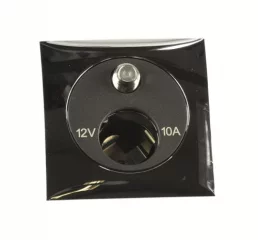
Wall socket 12 volts, 16 amps for plug, combined with a television antenna connection. Dimensions: 6x6 cm.

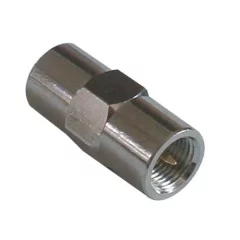
Adapter FME male FME male.
- FME and UHF
- Adapter

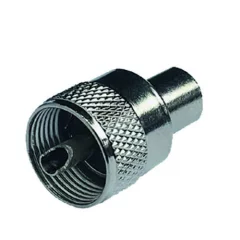
High quality male connector for RG-58 coaxial cable. Nickel plated with silver tip and Teflon insulation.
- PL-259 male connector for RG-58 cable
- Twist-on connector

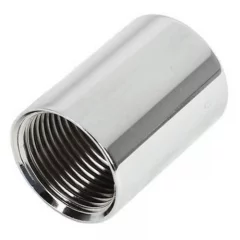
Adapter for attaching the antenna to a standard antenna stand with 1"-14 UNF thread. Made of stainless steel.
- Adapter for antenna stand
- 1"-14 UNF thread
- Glomex
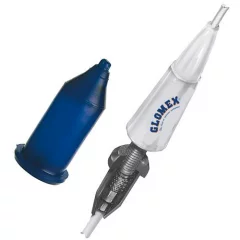
Rubber cover for PL259 connector. Mounts below the antenna bracket to protect the antenna connector. Threads for easy installation.

Adapter from FME female to SO239.
- FME and UHF
- Adapter
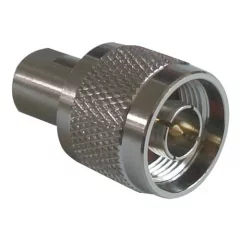
Adapter from FME male to N male. Used in radios/AIS devices with N connector.
- FME and UHF
- Adapter
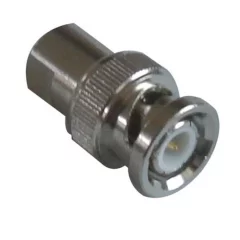
Adapter from FME male to BNC male.
- FME and UHF
- Adapter
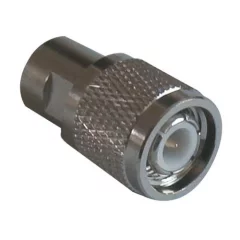
Adapter from FME male to TNC male. Used in radios/AIS systems with a TNC connector.
- FME and UHF
- Adapter
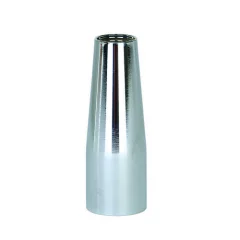
Adapter for attaching the RA300 antenna (product no. 16572) to the antenna bracket with 1"-14 UNF thread. Height: 80mm Diameter: 28mm
- Adapter
- 1"-14 UNF thread
- Diameter 28mm
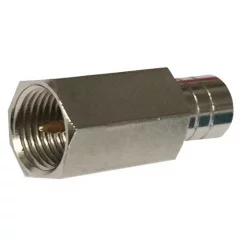
Adapter from SMB to FME-DAB radio.
- SMB > FME- DAB
- Adapter
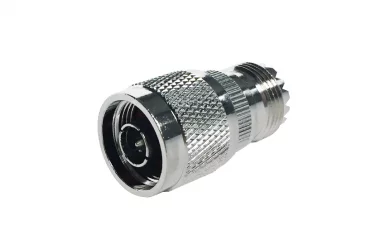
Adapter N male to UHF female.
- Adapter
- N male / UHF female connectors
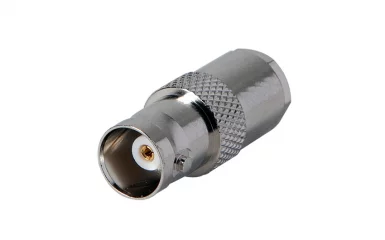
BNC female connector for RG-58 coaxial cable.
- Connector: BNC female
- For RG-58 cable
- Insulation: Teflon
- Connection: twist-on/compression connector
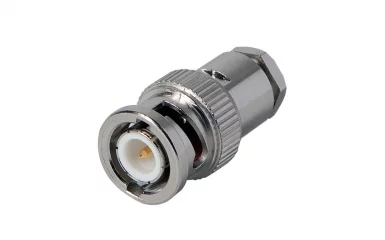
BNC male connector for RG-58 coaxial cable.
- Connector: BNC male
- For RG-58 cable
- Insulation: Teflon
- Connection: twist-on/compression connector
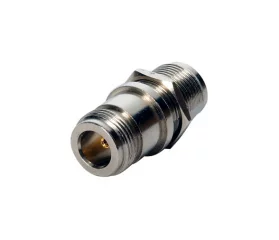
OUTLET
High quality N double female connector, with nut, nickel plated.
- N female-female connector
- Insulation: Teflon
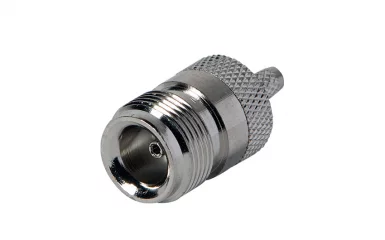
OUTLET
N female crimp connector for RG-58
- N compression connector female
- For RG-58 cable
- Insulation: Teflon
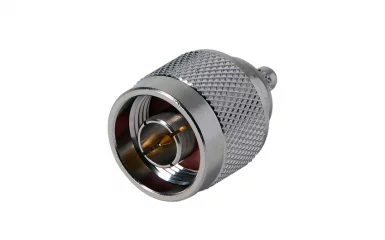
Male crimp connector for RG-58 coaxial cable.
- N compression connector male
- For RG-58 cable
- Insulation: Teflon
Kampanja
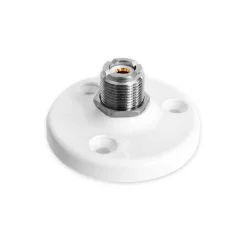
Cover connector type SO 239 with waterproof seal. Made of nylon, UV protection. Includes 1 white cover connector, vinyl plug cover and installation kit.
- UHF cover connector
- Color: white
- SO 239 type
- Protective pacifier included
- Installation instructions: Mounting instructions
Kampanja
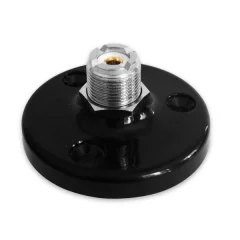
Cover connector type SO 239 with waterproof seal. Made of nylon, UV protection. Includes 1 black cover connector, vinyl plug cover and installation kit.
- UHF cover connector
- Color: black
- SO 239 type
- Protective pacifier included
- Installation instructions: Mounting instructions
Kampanja
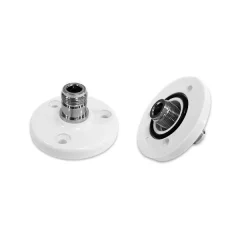
Cover connector with N-female connector and waterproof seal, material UV-resistant nylon. Package includes 1 white vinyl plug and installation kit.
- Cover connector
- White
- N-female connector
- Waterproof seal
- Material: UV-resistant nylon
- Package includes 1 white vinyl plug and installation kit


