Cover Contacts
Cover Contacts -ryhmän tuotteet
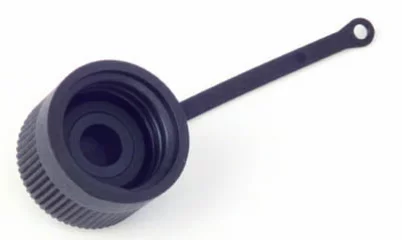
Protective cover for Philippi cover contact body. Check compatibility.

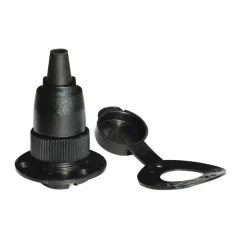
Ring connector made of glass fiber reinforced nylon.
• 4 poles
• Fiberglass reinforced nylon
• Current: 5A
• Diameter: 48mm
• Hole diameter: 21mm
• Height: 78mm
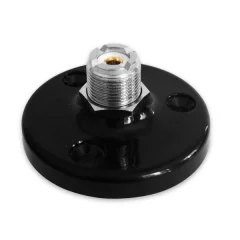
Cover connector type SO 239 with waterproof seal. Made of nylon, UV protection. Includes 1 black cover connector, vinyl plug cover and installation kit.
- UHF cover connector
- Color: black
- SO 239 type
- Protective pacifier included
- Installation instructions: Mounting instructions

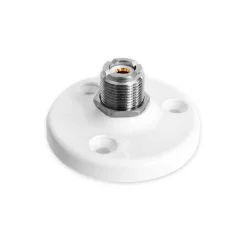
Cover connector type SO 239 with waterproof seal. Made of nylon, UV protection. Includes 1 white cover connector, vinyl plug cover and installation kit.
- UHF cover connector
- Color: white
- SO 239 type
- Protective pacifier included
- Installation instructions: Mounting instructions
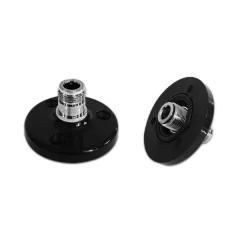
Cover connector with N-female connector and waterproof seal (material nylon). Package includes 1 black vinyl plug and installation kit.
- Cover connector
- Black
- N-female connector
- Waterproof seal (nylon)
- Package includes 1 black vinyl plug and installation kit
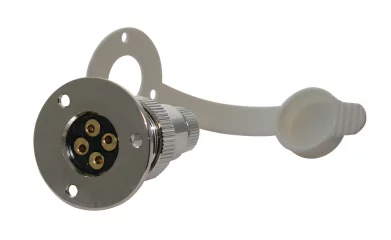
4-pole cover contact in brass/chrome plated. Waterproof, Ø 37 mm, 2-3 A.
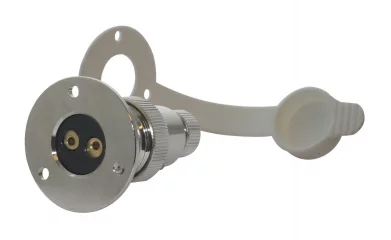
2-pole cover contact in brass/chrome plated. Waterproof, Ø 37 mm, 2-3 A.
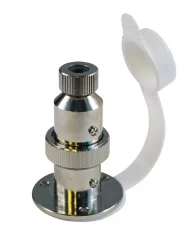
3-pole cover contact in brass/chrome plated. Waterproof, Ø 37 mm, 2-3 A.
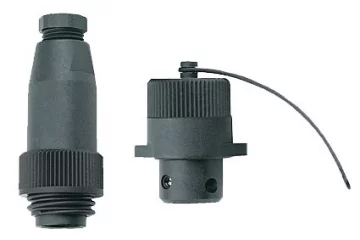
2-pole cover contact. Strong and waterproof, highly resistant to salt water. Tight screw cap.
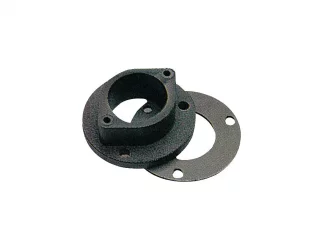
Suitable for 2 – 7-pole contacts, surface mounting.
Includes seal and mounting screws.
- Height: 58mm
- Diameter: Ø 36mm
- Hella Marine