Electric Outboard Motors
Electric outboards are taking boating into a new era. Discover our electric outboards, compare and buy online!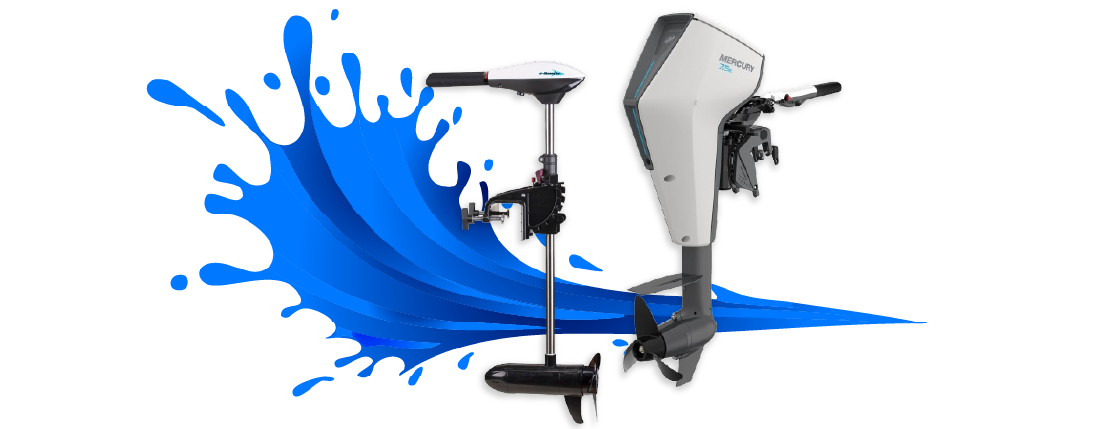
Product groups
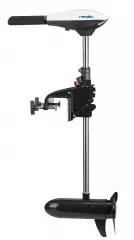
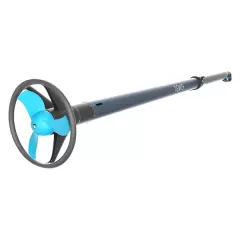
Boating is a beloved hobby for many Finns, but traditional combustion engine outboard motors cause significant harm to both the wallet and the environment. Electric outboard motors offer an ecological alternative that reduces emissions and noise caused by boating. The wide range of electric outboard motors includes options for many types of water activities - check out our selection! At the bottom of the page you will find more detailed information for purchasing an electric outboard motor.
Electric outboards are known for their energy efficiency, making them an attractive option for environmentally and cost-conscious boaters. Unlike internal combustion engine outboards that burn fossil fuels, electric outboards use batteries that can be easily recharged with renewable energy.
From a cost-effectiveness perspective, the advantages of electric outboards include clearly lower operating costs. Although the initial investment may seem high compared to traditional engines, the savings are realized in the long term through lower energy consumption and reduced maintenance costs.
Charging an electric outboard motor is often cheaper than buying gasoline or diesel.
Electrical components require less regular maintenance.
Many electric outboards utilize regenerative braking or solar panels to charge the battery, which can further improve their cost-effectiveness and extend their time on the water without additional costs.
One of the most significant advantages of electric outboards is their low maintenance requirements compared to traditional combustion engine-powered outboards. Since electric motors do not contain complex mechanical parts such as spark plugs, air filters or components that require oil changes, their maintenance is significantly simpler and less expensive.
Batteries should be charged regularly according to the manufacturer's instructions and ensure they are stored in a dry, cool place when the engine is not in use. The lifespan of batteries can vary greatly depending on their quality and how they are used, but with proper care they can last for several years.
Although electric outboards do not produce dirt in the same way as internal combustion engines, they are still exposed to water, salt and other contaminants. It is a good idea to clean the engine regularly with fresh water, especially after use in seawater, to prevent corrosion.
It is a good idea to check the motor connections and wiring from time to time to make sure that everything is working properly and that there is no wear or damage.
It is worth checking the condition of the propeller regularly for possible damage.
Overall, the maintenance and upkeep needs of an electric outboard motor are minimal but important for the longevity of the motor. Regular battery charging, motor cleaning, and inspection of connections will help keep the device in working order year after year.
Electric outboards and traditional internal combustion outboards differ in many ways. Understanding the differences will help you make informed decisions.
Electric outboards produce no exhaust or carbon dioxide emissions, making them a much more environmentally friendly option. Traditional outboards use fossil fuels, which increase greenhouse gas concentrations in the atmosphere and cause air quality problems.
Electric outboards operate almost silently, improving the comfort of water travel and reducing disturbance to both people and animals. Traditional outboards can be very noisy, which can disrupt the peace of nature and make long-term use unpleasant.
Maintenance and upkeep costs vary significantly. As mentioned earlier, electric outboards require minimal maintenance compared to internal combustion engines, which require regular oil changes, spark plug replacements, and other mechanical maintenance. This makes electric outboards more cost-effective in the long run.
Range and power are areas where internal combustion engine-powered outboards can still offer advantages in certain situations. Internal combustion engines often offer longer range on a single tank of fuel and more power for pulling heavier loads or moving faster on the water. The capacity of the batteries in electric outboards limits their operating time before recharging, although technology is constantly improving.
The purchase price can be a deciding factor for many users. While the initial investment for an electric outboard motor may be higher than a similarly powerful internal combustion engine, the savings in energy costs and maintenance costs can offset this over time.
In summary, electric outboards and combustion-powered outboards offer different advantages for different needs: electric outboards emphasize ecology, quietness, and lower maintenance costs, while combustion outboards may be better suited for long-distance boating or heavier-duty tasks.
Users of electric outboard motors have reported positive experiences, highlighting the practicality and comfort of the motors. One of the most commonly cited benefits is the quiet running noise, which makes boating more pleasant for both users and the environment. Silence also allows for better observation of nature and a more peaceful navigation on the water without disturbing noise.
Users have also praised the ease of use of electric outboards. They start at the push of a button, and the user does not have to worry about mixing fuel or refueling. This makes electric outboards particularly suitable for use at the cottage or for day trips, for example, where simplicity and reliability are important.
In general, practical experience shows that electric outboards offer many advantages over traditional engines, especially when their use meets expectations and needs. The most popular electric motor models are Motorguide and Talamex .