

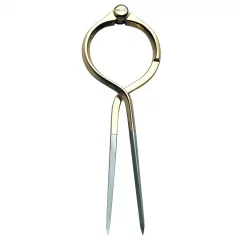
The most popular 7" harp. A high-quality 7 inch (175 mm) one-handed harp made by Linex, with a brass top and stainless steel bottom.
Navigation accessories
Navigation tools for navigation and planning.Tuoteryhmät
Navigation accessories -ryhmän tuotteet
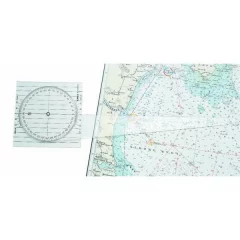
Handy nautical chart indicator plate for determining course and steering direction, integrated magnetic and meridian-based lines. Transparent square base, ideal for chart table use. Includes instructions. Base size 140×140 mm, arm 377 mm. Material: colorless transparent PETG.
- Convenient nautical chart indicator plate for determining course and steering direction
- Integrated magnetic and meridian-based lines
- Transparent square base, ideal for chart table use
- Length: 140mm
- Width: 140mm
- Thickness: 1.5 mm
- Other features: shaft 377 mm
- Material: colorless transparent PETG
- Includes instructions for use
- Linex 2810
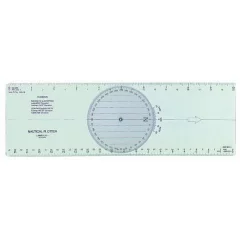
Navigation ruler for direction finding and route planning.
- Navigation ruler
- Ruler-shaped
- Equipped with a rotating scale and a magnetic scale.
- The side with the scale is turned according to the marking lines
- Nautical mile and km scales on the edge
- The matte surface of the top surface can be written on with a pencil
- Size 380×120 mm
- Material: colorless, transparent PETG
- LINEX 2811
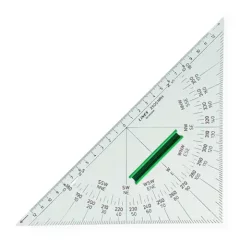
Straight-edged navigation triangle with handle and monochrome print, manufactured by Linex. Material: 2.75 mm clear Dunilon plastic.
- Size: 280x200mm
- Material: 2.75 mm clear Dunilon plastic
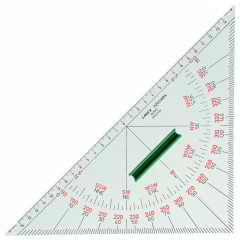
A straight-edged triangle with a handle and two-color printing made by Linex.
- Long side: 320mm
- Short sides: 225mm
- Material: 2.75 mm clear Dunilon plastic.
Kampanja
OCTOBER SALE!
All-brass one-handed divider.
- Solid brass
- Maximum width: 7"
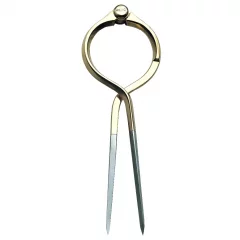
- The most popular and used harp
- Upper part made of brass and lower part made of stainless steel
- Maximum width: 175mm (7")
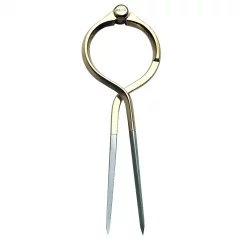
A high quality 8 inch (200 mm) one-handed harp made by Linex. The top part is brass and the bottom part is stainless steel.
- One-handed harp
- Easy to use even while sailing
- Top made of brass
- Legs made of stainless steel
- Very durable construction.
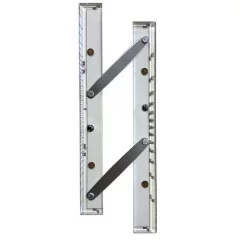
A parallel ruler with an angle scale for precise route planning and easy to use. Made of acrylic and machined aluminum arms. The user-friendly design makes it the perfect aid for drawing courses and measuring distances on a nautical chart.
- Parallel ruler for navigation
- Length: 305mm
- Width: 65mm
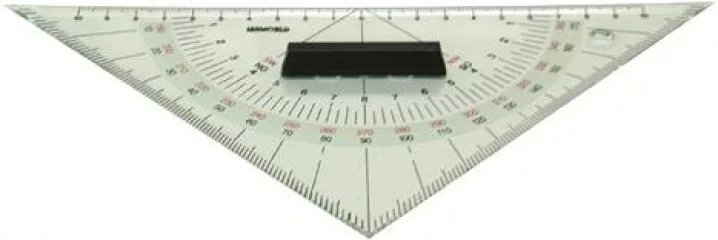
Triangular ruler made of transparent plastic. Acrylic plastic, turned edges, bracket made of black plastic.
- Material: Plastic
- Also used as a protractor
- Turned edges
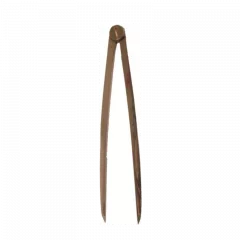
Material: brass.
- Length: 150mm
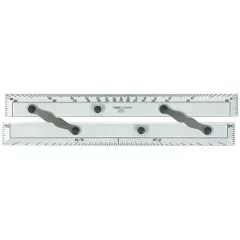
A ruler for taking direction, which should be found in every large boat. With this you can make straight "draws" easily. Made of acrylic and the joints of the ruler are made of aluminum. 380 mm long.
- Unidirectional ruler
- Beveled edges throughout
- Scale 360°
- Cork boards on the bottom
- Material: acrylic, arm and mounting parts made of aluminum
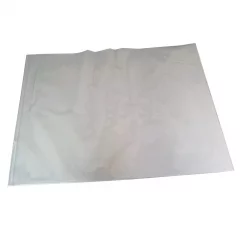
Waterproof, transparent map pocket. Suitable for all nautical chart sets. Can also be used for general charts, coastal charts and harbor charts if the chart sheet is folded slightly.
- Size: 76 x 58cm
- Watertight closure
- Suitable for all nautical charts


