Paint brushes
Brushes for all different needs. The most affordable brushes can be used for base painting, and for varnishing, for example, higher quality varnish brushes are used.Paint brushes group products
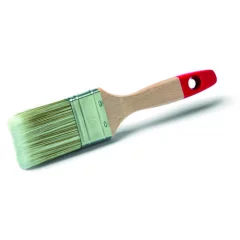
Professional grade brush. High quality soft synthetic bristles. Exceptional polish absorption and spreadability, producing a very smooth finish. Ergonomically shaped handle.
- Paintbrush
- Width 30mm
- Synthetic bristles
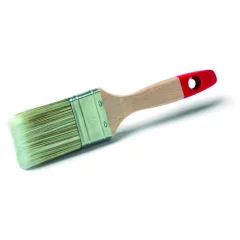
Professional grade brush. High quality soft synthetic bristles. Exceptional polish absorption and spreadability, producing a very smooth finish. Ergonomically shaped handle.
- Paintbrush
- Width 50mm
- Synthetic bristles
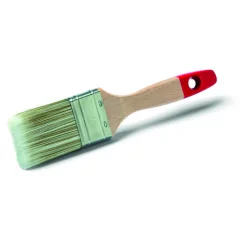
Brush for professional users. High quality soft synthetic bristles. Exceptional color absorption and spreading ability, producing a very smooth surface. Ergonomically shaped handle.
- Varnish brush
- 3 sizes
- Synthetic bristles
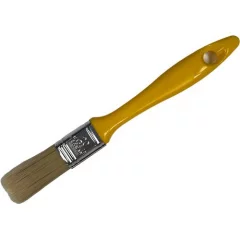
Brush for users with high demands on surface finish. Very high durability. Good varnish absorption and application. Suitable for simple tasks with water-based and solvent-based paints and varnishes.
- Lacquer brush
- Width 20mm
- Synthetic fiber bristles

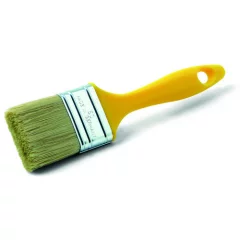
Brush for users with high demands on surface finish. Very high durability. Good color absorption and application. Suitable for simple tasks with water-based and solvent-based paints and varnishes.
- Varnish brush
- 4 sizes
- Mixed bristles
- Varnish brush
- 4 sizes
- Mixed fiber bristles
Brush for users with high demands on surface finish. Very high durability. Good varnish absorption and application. Suitable for simple tasks with water-based and solvent-based paints and varnishes.
- Paintbrush
- Width 70mm
- Synthetic fiber bristles
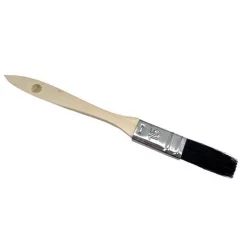
A contour brush with black bristles and a wooden handle.
- Narrow brush
- Width 15mm
- Black bristles
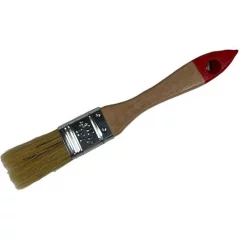
Contour brush or flat painting brush, model X-6.
Thickness: medium.
Mixed bristle material.
Wooden handle with metal clip.
- Brush for varnish and paint
- Mixed fiber bristles
- Width 25mm
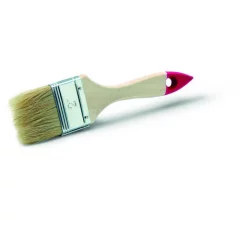
Lacquer brush or flat brush, model X-6.
Thickness: medium
Mixed bristle material (natural and synthetic bristles)
Wooden handle and metal attachment
Width: 38mm
- Brush for varnish and paint
- Mixed fiber bristles
- Width 38mm
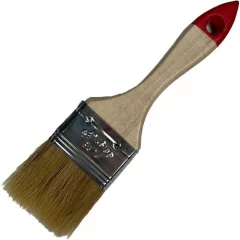
Contour brush or flat painting brush, model X-6.
Thickness: medium.
Mixed bristle material.
Wooden handle with metal clip.
- Brush for varnish and paint
- Mixed fiber bristles
- Width 50mm
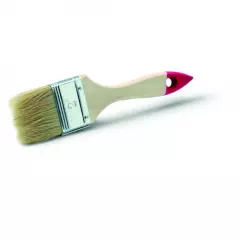
Lacquer brush or flat brush, model X-6.
Thickness: medium
Mixed bristle material (natural and synthetic bristles)
Wooden handle and metal attachment
Width: 64mm
- Brush for varnish and paint
- Mixed fiber bristles
- Width 64mm
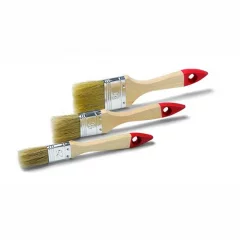
3-piece brush set. Brush sizes: 25,38,50mm.
- Varnishing brushes
- 3 parts
- Sizes: 25, 38 and 50mm
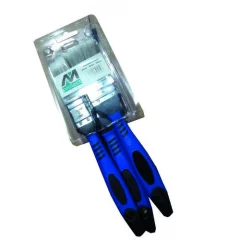
3-piece brush set. Brush sizes: 25,40,50mm. Synthetic fiber brushes and plastic handle
- 3 pcs pack
- Sizes: 25/40/50mm
- Artificial hair (synthetic)

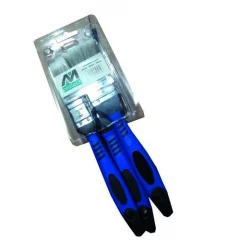
- 3 pcs pack
- Sizes: 25/50/75mm
- Artificial hair (synthetic)
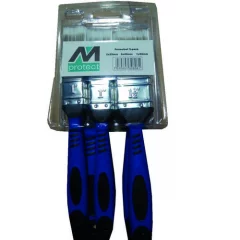
5-piece brush set. Brush sizes: 2x25mm, 2x40mm and 1x50mm. Synthetic bristles and plastic handle
- 5 pcs pack
- Sizes: 25/40/50mm
- Man-made fiber (synthetic)
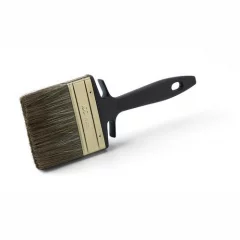
Primer brush 70mm. Bristles made of synthetic fiber.
- Width 70mm
- For example, for primer
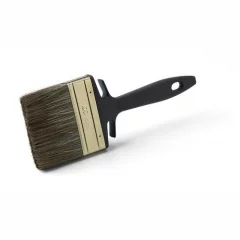
Primer brush 100mm. Bristles made of synthetic fiber.
- Width 100mm
- For example, for primer
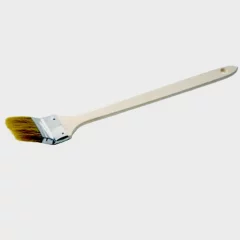
Radiator Brush, with a small angle.
- Radiator Brush
- Width 38mm
- Mixed fiber bristles
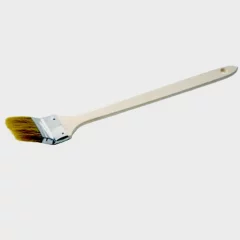
Radiator Brush, with a small angle.
- Radiator Brush
- Width 50mm
- Mixed fiber bristles


