Carburetors on older Suzuki outboards require regular maintenance to operate reliably, especially if the engine has been idle for a long time – carburetor jets easily become clogged with stale fuel, and a clogged jet will show up as rough idling or difficulty starting.
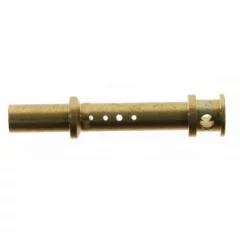
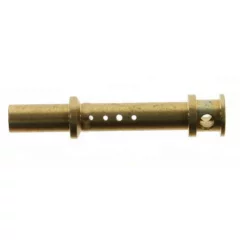
The DF4-6 range includes both a nozzle tube and two different main nozzle sizes (38 and 78), which are designed specifically for the fuel supply of that engine series. The DF15 model has its own main nozzles (40 and 115) and a nozzle tube, but please note that these parts are intended for engines manufactured from 2005 onwards - the carburetor structure may differ in older models. Complete carburetors are also available as ready-made units for the DF2.5 and DF6 models, if the original carburetor is damaged or worn out and cannot be repaired.
Carburetor maintenance should be done regularly, especially before or after a long period of disuse – drain the carburetor of fuel before winter storage, as modern ethanol-containing gasoline evaporates unevenly and leaves behind sticky residues that clog the small injectors. If the engine runs unevenly, jerks under load or is difficult to start even when warm, the cause is often a dirty or clogged injector. Always check the exact model and year of your engine before ordering a part, as Suzuki carburetor designs have varied over the years.
Cleaning the carburetor and inspecting small parts such as the injectors is a good idea, especially for engines that are used irregularly – long periods of inactivity are the worst enemy of carburetors, as volatile gasoline leaves behind sticky residues that completely block the small injector openings. The DF15 has two different main injector sizes (40 and 115) designed for different purposes inside the engine, so it is important to check the correct size and location of both during maintenance. Replacing the entire carburetor is a sensible solution if the original is badly damaged or if repairing it would be more expensive than buying a new one. We recommend draining the carburetor of fuel before a longer storage break, which is the most effective way to prevent blockage problems in the first place.
Always check the exact model and year of your engine before ordering a part, as carburetor designs have varied over the years.
Always drain the carburetor of fuel before winter storage, as ethanol-containing gasoline leaves sticky residues in the small injectors.
If the engine runs unevenly or jerks under load, the cause is often a dirty or clogged injector.