Windshield Wipers and Accessories
Windshield wipers, wiper blades and accessories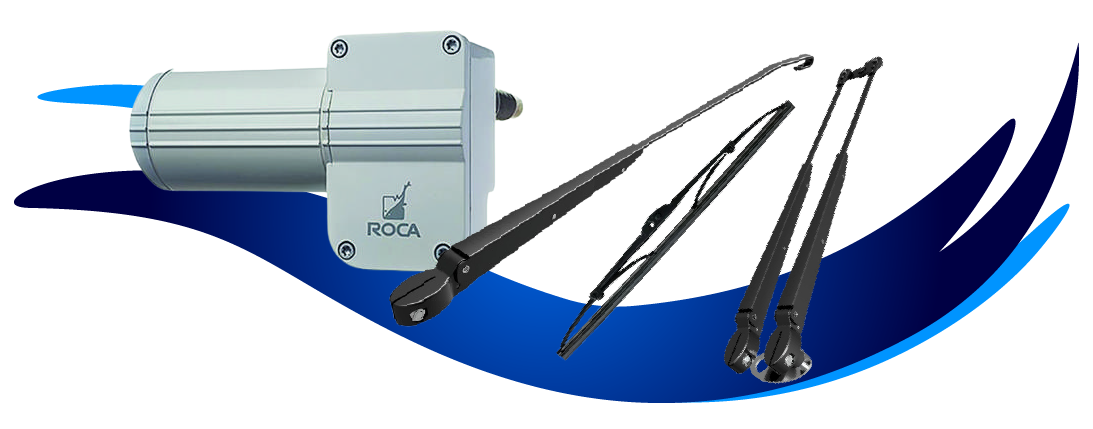
A boat windshield wiper clears rainwater, spray, and dirt from the windshield, ensuring good visibility for the driver in all conditions. Boat wiper motors, wiper blades, and wiper arms are designed to withstand harsh marine environments, including saltwater exposure and constant vibration. Explore our selection!
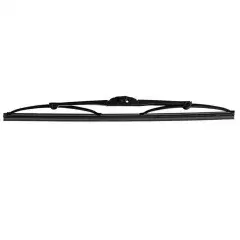
Choosing the right wiper blade ensures good visibility in all conditions. Blade selection depends on the size and shape of the windshield, the type of wiper arm, and boating conditions. A well-chosen blade not only improves safety but also extends the lifespan of both the windshield and the wiper system.
Key factors to consider when selecting a wiper blade
Size and compatibility
Measure the length of the wiper arm and ensure the blade is the correct size to cover the windshield properly.
Choose a blade that matches the arm’s attachment type (such as hook or push fitting).
Shape and construction
Select a blade that matches the curvature of your windshield.
Flat and flexible blades are often the best choice for curved windshields, as they ensure even contact.
Materials
Rubber edge: The wiping surface should be made of durable rubber that performs well in wet and salty conditions.
Metal frame or frameless design: Stainless and corrosion-resistant materials are recommended for marine use.
Weather resistance
Boat wiper blades must withstand UV radiation, saltwater, and large temperature fluctuations. Choose blades specifically designed for marine conditions.
Boat usage
If your boat is used offshore or in harsh weather, select a blade that can handle heavy loads and strong rain.
Maintenance and lifespan
The blade should be easy to remove and replace, and durability is especially important in demanding boating environments.
Best materials and features for boat wiper blades
Stainless components: Prevent corrosion and ensure long-lasting performance.
UV-protected rubber edges: Resist sunlight and remain flexible, reducing the risk of scratching the windshield.
Aero design: Improves performance in strong wind and rain, especially offshore.
Recommendations for choosing
Manufacturer guidelines: Check the recommended blade model and size for your wiper system.
Trusted brands: Choose high-quality marine-specific blades from reputable manufacturers.
Consider extra features: Some blades include water channels that guide water away more effectively.
Choosing the right blade requires attention to windshield size, curvature, and operating conditions. The correct blade improves visibility and safety, and marine-designed durable models are recommended for challenging environments.
Selecting the correct wiper arm ensures efficient operation and long service life. Consider windshield size, curvature, and compatibility with the wiper motor. A properly chosen arm ensures smooth blade movement and effective removal of water and dirt.
Important factors when choosing a wiper arm
Length and coverage
Measure windshield size and ensure the arm allows the blade to cover a sufficient area.
An arm that is too long may restrict movement, while one that is too short may leave parts unwiped.
Curvature and adjustability
Choose an arm that matches the curvature of the windshield. Adjustable arms are a good option, as they can be adapted to different surfaces.
Spring-loaded arms press the blade firmly against the glass, improving wiping efficiency especially on curved windshields.
Mounting type
The arm must be compatible with your motor shaft and blade attachment system. Common types include:
Tapered shaft: Mounted directly and tightened with a screw.
Square shaft: Provides a secure fit without slipping.
Quick connector: Easy and fast to remove and attach.
Material and durability
Choose arms made of stainless steel or anodized aluminum, as they resist saltwater, moisture, and corrosion.
High-quality plastic parts can be lightweight and durable but are generally not as long-lasting as metal.
Motor power
Ensure the arm is not too heavy or long for the motor. A heavy arm can strain the motor and reduce its lifespan.
Boat usage and environment
If used offshore or in demanding weather, choose a stronger arm that can handle strong winds and rough seas.
A properly sized, adjustable, and durable arm ensures effective wiping and long-lasting operation. The arm must be compatible with the windshield, blade, and motor.
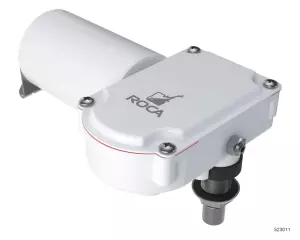
Motor selection depends on windshield size, system requirements, and the boat’s electrical system.
Main selection criteria
Compatibility with the boat’s electrical system
Voltage: Boats usually use 12 V or 24 V systems. Ensure the motor matches your boat’s voltage.
Power consumption: Check that the motor’s current draw suits your battery system capacity.
Motor power
Windshield size and arm length: Larger windshields and longer arms require a stronger motor for smooth wiping at speed or in heavy rain.
Operating conditions: Offshore use and intense rain require a motor that can handle high loads and continuous operation.
Sweep angle
The motor must move the wipers at the correct angle to cover as much of the windshield as possible. Common angles include 80°, 90°, 110°, and 120°.
Some motors offer adjustable sweep angles.
Durability and construction
Water and saltwater resistance: Marine conditions expose motors to moisture and salt. Choose a motor protected against corrosion and water (minimum IP55 rating).
Shock resistance: The motor must withstand constant vibration and movement.
Speed and control
Wiping speed: Choose a motor with speed control.
Multi-speed motors: Some models offer two or more speed options for added comfort.
Easy installation
Mounting and connections: Ensure the motor is easy to install and compatible with your shaft and arm setup.
Wiring: Verify compatibility with your boat’s electrical wiring system.
How do I know the motor fits my boat?
Windshield and arm measurements: Confirm motor power is sufficient for your setup.
Existing system: If replacing an old motor, check technical specifications (voltage, sweep angle, installation type).
Manufacturer recommendations: Many wiper system manufacturers provide compatibility guidance.
Operating conditions: Choose a motor designed for your boating environment, whether offshore or inland waters.