Carbo blocks 29mm
Tuoteryhmät
Carbo blocks 29mm -ryhmän tuotteet
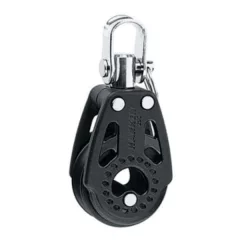
The ball-bearing Carbo Air blocks are lightweight, durable and reliable. The blocks are made of fiber-reinforced composite and are very durable for their weight.
- Harken product number H340
- Spinner Ø 29mm
- Length 66mm
- Weight 26g
- Max. rope Ø 8mm
- Maximum working load 150kg
- Breaking strength 454kg

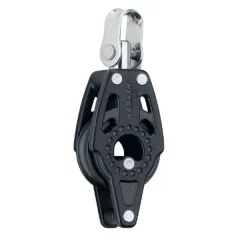
The ball-bearing Carbo Air blocks are lightweight, durable and reliable. The blocks are made of fiber-reinforced composite and are very durable for their weight.
- Harken product number H341
- Spinner Ø 29mm
- Length 78mm
- Weight 28g
- Max. rope Ø 8mm
- Maximum working load 150kg
- Breaking strength 454kg
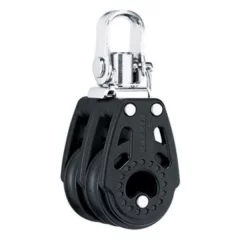
The ball-bearing Carbo Air blocks are lightweight, durable and reliable. The blocks are made of fiber-reinforced composite and are very durable for their weight.
- Harken product number H342
- Spinner Ø 29mm
- Length 73mm
- Weight 51g
- Max. rope Ø 8mm
- Maximum working load 299kg
- Breaking strength 737kg
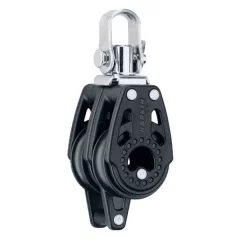
The ball-bearing Carbo Air blocks are lightweight, durable and reliable. The blocks are made of fiber-reinforced composite and are very durable for their weight.
- Harken product number H343
- Spinner Ø 29mm
- Length 85mm
- Weight 54g
- Max. rope Ø 8mm
- Maximum working load 299kg
- Breaking strength 737kg
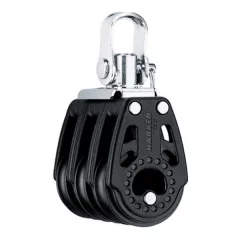
The ball-bearing Carbo Air blocks are lightweight, durable and reliable. The blocks are made of fiber-reinforced composite and are very durable for their weight.
- Harken product number H344
- Spinner Ø 29mm
- Length 73mm
- Weight 74g
- Max. rope Ø 8mm
- Maximum working load 449kg
- Breaking strength 907kg
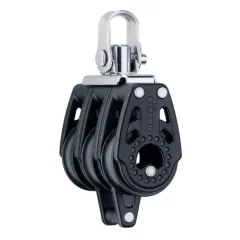
The ball-bearing Carbo Air blocks are lightweight, durable and reliable. The blocks are made of fiber-reinforced composite and are very durable for their weight.
- Harken product number H345
- Spinner Ø 29mm
- Length 85mm
- Weight 77g
- Max. rope Ø 8mm
- Maximum working load 449kg
- Breaking strength 907kg
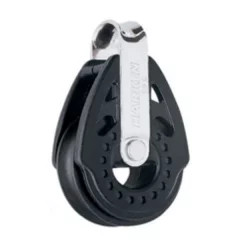
The ball-bearing Carbo Air blocks are lightweight, durable and reliable. The blocks are made of fiber-reinforced composite and are very durable for their weight.
- Harken product number H348
- Spinner Ø 29mm
- Length 49mm
- Weight 23g
- Max. rope Ø 8mm
- Maximum working load 150kg
- Breaking strength 454kg
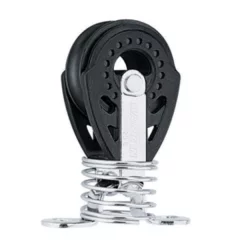
The ball-bearing Carbo Air blocks are lightweight, durable and reliable. The blocks are made of fiber-reinforced composite and are very durable for their weight.
- Harken product number H349
- Spinner Ø 29mm
- Length 56mm
- Weight 31g
- Max. rope Ø 8mm
- Maximum working load 150kg
- Breaking strength 454kg
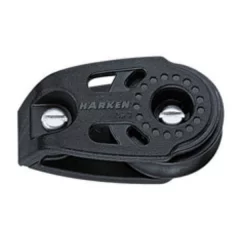
The ball-bearing Carbo Air blocks are lightweight, durable and reliable. The blocks are made of fiber-reinforced composite and are very durable for their weight.
- Spindle Ø (mm) 29mm
- Length (mm) 53 mm
- Weight (g) 17g
- Max. rope Ø (mm) 8 mm
- Maximum working load (kg) 150 kg
- Breaking strength (kg) 454 kg
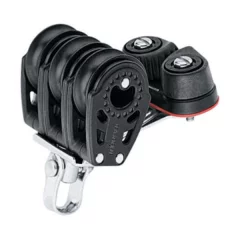
The ball-bearing Carbo Air blocks are lightweight, durable and reliable. The blocks are made of fiber-reinforced composite and are very durable for their weight.
- Harken product number H346
- Spinner Ø 29mm
- Length 73mm
- Weight 130g
- Max. rope Ø 6mm
- Maximum working load 340kg
- Breaking strength 680kg
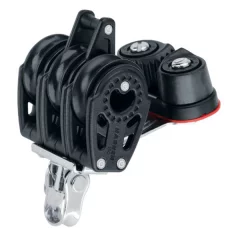
The ball-bearing Carbo Air blocks are lightweight, durable and reliable. The blocks are made of fiber-reinforced composite and are very durable for their weight.
- Harken product number H347
- Spinner Ø 29mm
- Length 85mm
- Weight 133g
- Max. rope Ø 6mm
- Maximum working load 408kg
- Breaking strength 816kg
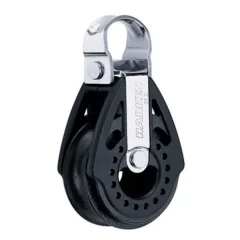
Low-friction Carbo Air blocks are lightweight, strong, reliable and affordable. Companions to the popular Harken Black Magic block line, these small, compact blocks have very high working loads for safe, easy trimming.
- Harken product number H352
- Sheave Ø 29mm
- Length 52mm
- Weight 26g
- Maximum line Ø 8mm
- Maximum working load 150kg
- Breaking load 454kg
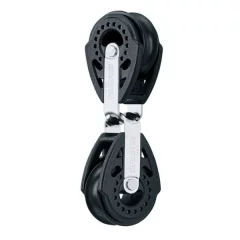
The ball-bearing Carbo Air blocks are lightweight, durable and reliable. The blocks are made of fiber-reinforced composite and are very durable for their weight.
- Harken product number H353
- Spinner Ø 29mm
- Length 92mm
- Weight 34g
- Max. rope Ø 8mm
- Maximum working load 150kg
- Breaking strength 454kg
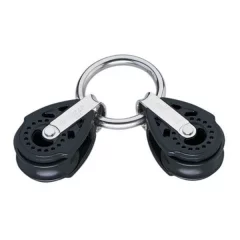
The ball-bearing Carbo Air blocks are lightweight, durable and reliable. The blocks are made of fiber-reinforced composite and are very durable for their weight.
- Harken product number H371
- Spinner Ø 29mm
- Length 124mm
- Weight 51g
- Max. rope Ø 8mm
- Maximum working load 150kg
- Breaking strength 454kg
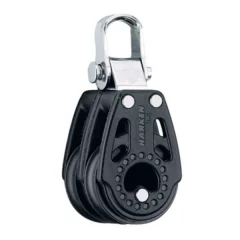
The ball-bearing Carbo Air blocks are lightweight, durable and reliable. The blocks are made of fiber-reinforced composite and are very durable for their weight.
- Harken product number H381
- Spinner Ø 29mm
- Length 54mm
- Weight 34g
- Max. rope Ø 8 mm
- Maximum working load 299kg
- Breaking strength 737kg
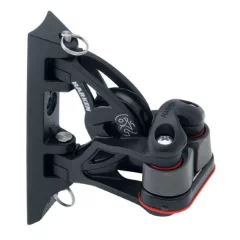
Harken 29mm Carbo lead w/al cam (H395)
- Harken product number H395
- Spinner Ø 29mm
- Length 100 mm
- Weight 90.7g
- Max. rope Ø 6 mm
- Maximum working load 91kg
- Breaking strength 295kg
- Crab lock H468
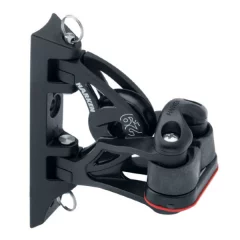
Harken 29mm pivot lead w/carbo cam (H396).
- Harken product number H396
- Spinner Ø 29mm
- Length 100mm
- Weight 83.7g
- Max. rope Ø 6mm
- Maximum working load 68kg
- Breaking strength 295kg
- Crab lock Micro H471
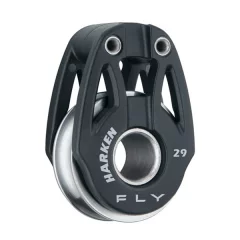
Harken's soft-attach Fly blocks provide strength without mass. They have a very high working load for their size and therefore low air resistance. The blocks are designed for Hi-Tech ropes. Fly blocks are especially suitable for foiling dinghies and for the keelboat and stern-tow blocks of fast keelboats.
- Spinner Ø 29mm
- Maximum rope Ø 7mm
- Maximum working load 350kg
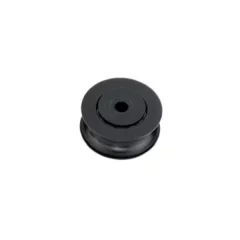
Bullet spinning reel made by Harken.
- Spindle Ø (mm) 29
- Width (mm) 12
- Weight (g) 7
- Center pin Ø (mm) 6.27
- Max. rope (mm) Ø 8
- Max. working load (kg) 136

Low first. office chair. Pair.
- Height (mm) 10mm
- Length (mm) 48 mm
- Weight (g) 4.5 g
- Breaking strength (kg) 726 kg
- Screw spacing (mm) 38 mm
- Mounting screws 5 RH
- Suitable for lock H150/H365


