Cleats
Knaps and bollards for boats and docks.Product groups
Cleats group products
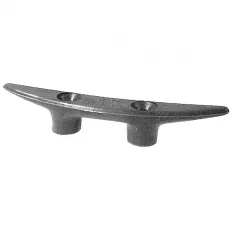
Dark gray, plastic cleat.
- Length: 62mm
- Material: Plastic
- Maximum rope Ø 5mm

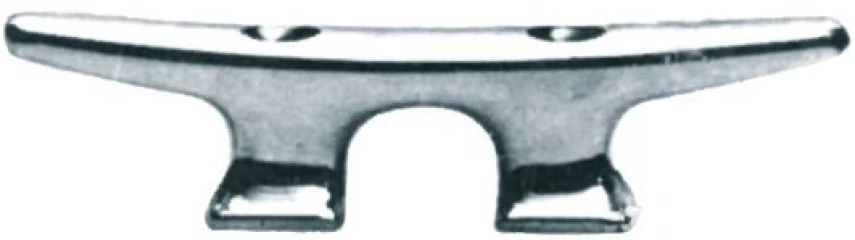
Anodized aluminum cleat, attached with two bolts or screws.
- Length: 150mm
- Fastening with two bolts or screws
- Material: Anodized aluminum
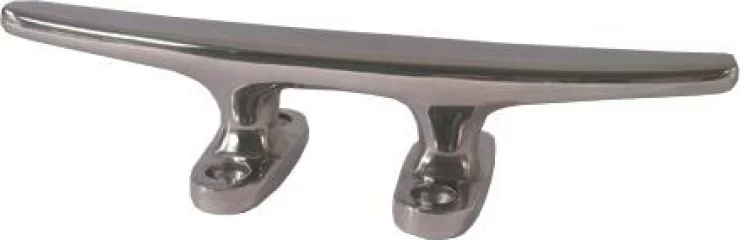
A hand-polished, acid-resistant steel traditional-style cleat made by Rorsman.
- Total length: 150mm
- Total width: 60mm
- Height: 31mm
- Screw hole spacing in the longitudinal direction: 53mm
- Screw hole spacing in width: 42mm
- Material: Stainless steel (AISI316)

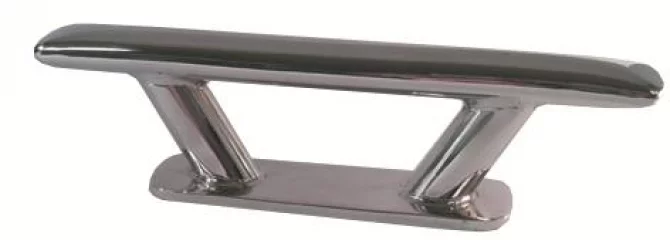
Hand-polished, acid-resistant steel bottom-bolted cleat made by Rorsman.
- Length 150mm
- Height 45mm
- Mounting: M8 Bolts
- Screw hole spacing: 52mm
- Breaking strength: 2500kg
- Material: Stainless steel (AISI316)
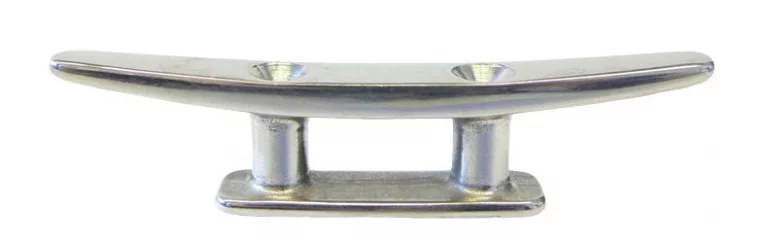
Stainless steel cleat, AISI316, Low model. 1 piece per package. 8mm bolt.
- Length: 200mm
- Screw hole: 8mm
- Material: Stainless steel (AISI316)
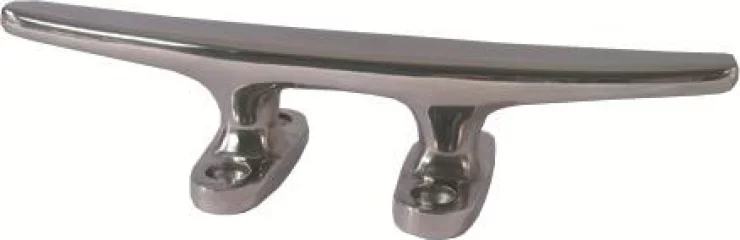
A hand-polished, acid-resistant steel traditional-style cleat made by Rorsman.
- Length: 200mm
- Width: 60.5mm
- Height: 40mm
- Screw hole spacing in the longitudinal direction: 58mm
- Screw hole spacing in width: 42mm
- Material: Stainless steel (AISI316)
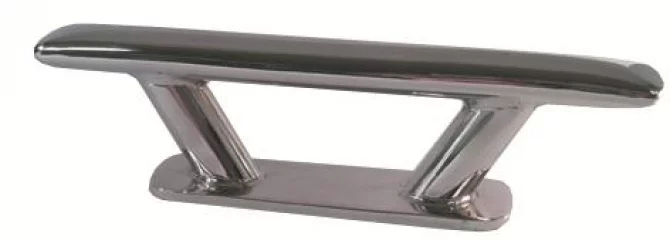
Hand-polished, acid-resistant steel bottom-bolted cleat made by Rorsman.
- Length top: 205mm
- Length lower part (mounting): 120mm
- Width bottom (mounting): 30mm
- Height: 60mm
- Screw holes: M10
- Screw hole spacing: 68mm
A cleat made of stainless steel, which is attached from below with bolts.
Length: 205mm
Bolt size: M10
Material: Stainless steel (AISI316)
Bolt size: M10
Material: Stainless steel (AISI316)
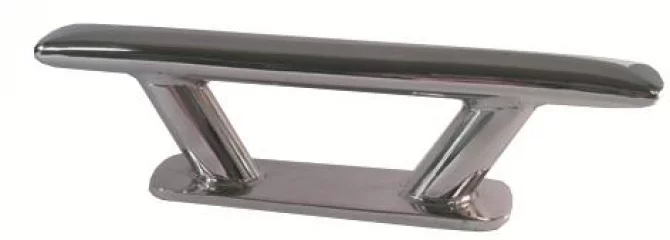
Hand-polished, acid-resistant steel bottom-bolted cleat made by Rorsman.
- Length: 250mm
- Height: 68mm
- Screw holes: M10
- Screw hole spacing: 84mm
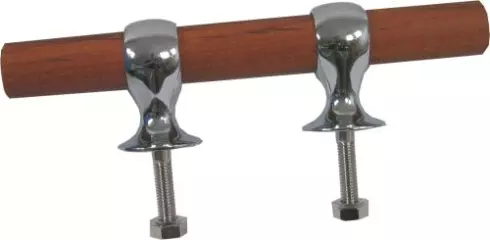
A stylish cleat made of teak with legs made of chrome-plated brass.

Very tough cleat made of black polycarbonate nylon.
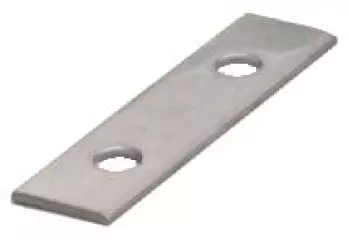
Made of stainless steel. The package includes a washer, bolts, nuts, plate.
- Length: 120mm
- Width: 35mm
- Material: Stainless steel
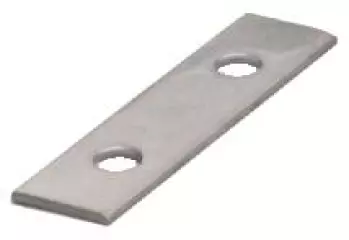
Made of stainless steel. The package includes a washer, bolts, nuts, and plate.
- Bollard No. 16
- 160x40mm
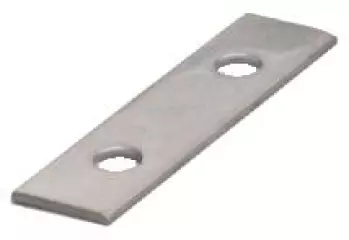
Made of stainless steel. Suitable for cleat product number 12-17. The package includes bolts, nuts and brick.
- Length: 90mm
- Width: 30mm
- Fits size 12-17
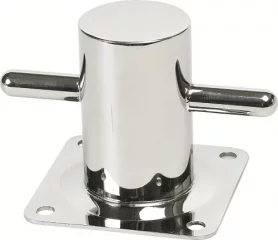
Made of stainless steel. Cast in one piece. Breaking strength 2200Kg.
• Length: 120m
• Width: 96mm
• Height: 120mm
• Screw holes: M8
• Width: 96mm
• Height: 120mm
• Screw holes: M8
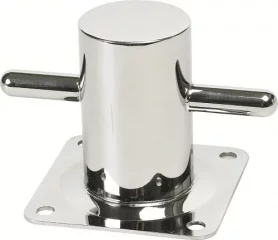
Made of stainless steel. Cast in one piece. Breaking strength 2500Kg.
• Length: 150mm
• Width: 120mm
• Height: 150mm
• Screw holes: M10
• Width: 120mm
• Height: 150mm
• Screw holes: M10
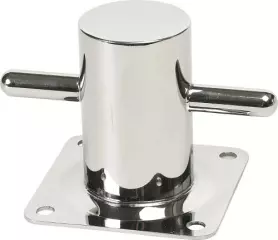
Material: Stainless steel (AISI316)
Base: 117x140mm
Height: 140mm
Diameter: 70mm
Suitable screws: 4 pcs M8
Base: 117x140mm
Height: 140mm
Diameter: 70mm
Suitable screws: 4 pcs M8

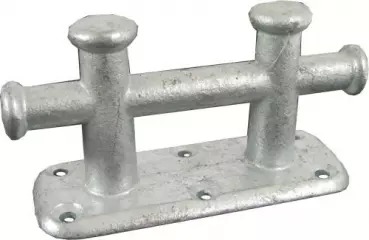
Hot-dip galvanized steel. Breaking strength 8000Kg.
• 180x79mm
• Screw holes: M8
• Screw holes: M8
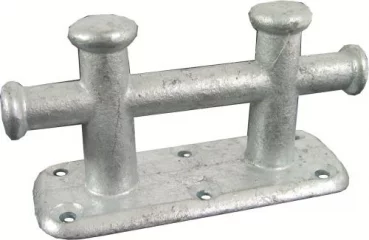
Hot-dip galvanized steel.
- 235x90mm
- Screw holes: M8

Aluminum base used when installing Roca bollards to ensure secure boat mooring.
• Bolt wheel base
• Square aluminum plate
• Available in 3 different sizes
• Square aluminum plate
• Available in 3 different sizes