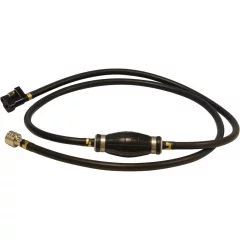
Fuel hose for boat
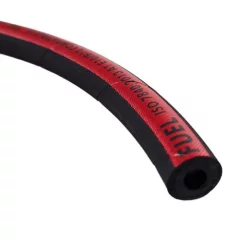
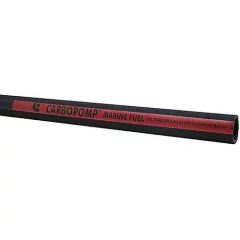
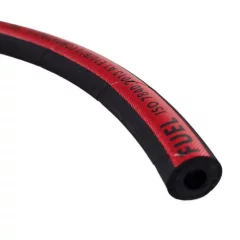
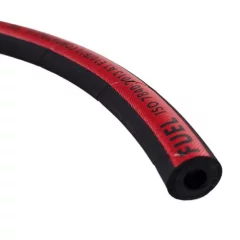
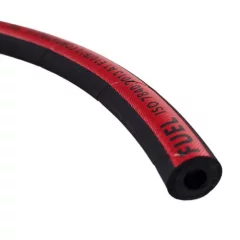
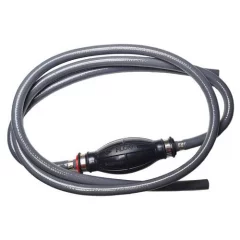
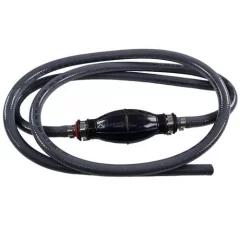
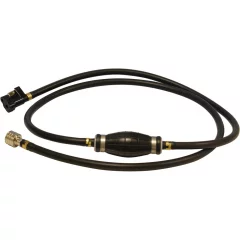
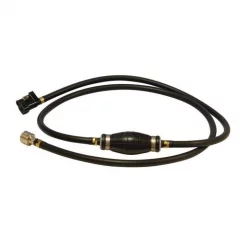
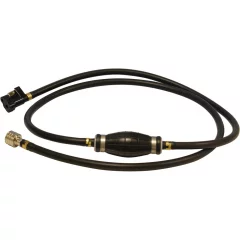
A fuel hose is a flexible tube that carries gasoline or diesel from the fuel tank to the engine. It is used in boat outboards, inboard engines, cars, motorcycles and small machines where fuel transfer requires a durable and safe connection. Remember to choose a diesel fuel hose for your diesel engine to ensure the durability and safety of the system. Check out our selection!
What does a fuel hose do?
The main function of a fuel hose is to safely and smoothly transport gasoline or diesel from the fuel tank to the engine. It is an important part of the fuel system of a boat, vehicle or other internal combustion engine-powered device, ensuring that the engine receives the optimal amount of fuel under all operating conditions.
The main functions and features of the fuel hose:
1. Fuel transportation
The hose forms a continuous and tight path that transfers fuel from the tank to the engine without interference.
The fuel must flow evenly and without air bubbles so that the engine runs efficiently and starts easily.
Some fuel systems use a return line, where excess fuel is returned to the tank – this also requires a durable and reliable hose.
2. Pressure-resistant structure
The fuel hose must withstand the suction pressure created by the engine and, if necessary, also the pressure from the fuel pump.
In diesel engines and direct injection gasoline engines, fuel flows at higher pressure, so the hose must be stronger and able to withstand the pressure.
The hose must not be collapsed or flattened, as this can block the flow of fuel and cause malfunctions or engine shutdown.
3. Fuel-resistant materials
The hose material must withstand the chemical effects of gasoline, diesel and any additives.
The fuel may contain ethanol (E10, E85) or biodiesel (B7, B20) , which can embrittle poor quality hose materials.
High-quality fuel hoses have a multi-layer structure, where the inner surface is resistant to chemical reactions and the outer layer protects against mechanical damage.
4. Flexibility and durability
The hose must be flexible enough to be installed in a boat or engine in tight spaces without bending or flattening.
High-quality hoses are reinforced with synthetic fibers or metal wires to also withstand vibrations, mechanical stress and temperature fluctuations.
Boat fuel hoses are designed to be resistant to salt water and UV radiation, as they are often exposed to harsh weather conditions.
5. Safety and tightness
The fuel hose must prevent fuel leaks that could cause engine malfunctions, a fire hazard, or environmental damage.
Hose connections and fastenings must be tight and durable to prevent fuel from evaporating or leaking.
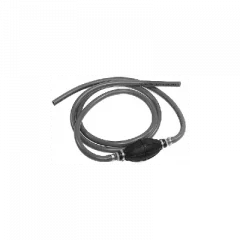
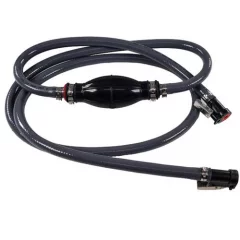
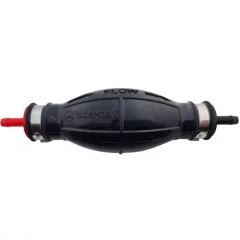
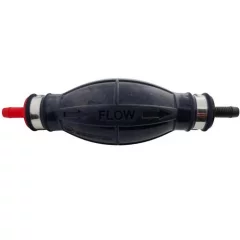
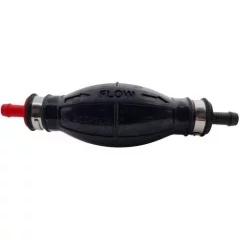
Some systems use check valves or primer bulbs to facilitate fuel delivery and prevent backflow.
Why is careful fuel hose selection important?
When choosing a fuel hose, you should consider the operating environment, fuel type, engine pressure requirements and hose quality. Using the right hose will extend the life of your engine, improve its performance and, above all, increase safety.
Good fuel hose:
Transports fuel to the engine efficiently and evenly
Resistant to chemical effects of fuel
Withstands pressure, temperature fluctuations and mechanical stress
Prevents fuel leaks and ensures safety
Using the wrong hose can lead to fuel leaks, engine malfunctions, or even dangerous situations, so special attention should be paid to its selection and maintenance.
How is a diesel fuel hose different from a gasoline hose?
Although gasoline and diesel fuel hoses may look similar, their materials and construction are different. Diesel fuel has different chemical properties than gasoline, so diesel fuel hoses must also withstand the effects of diesel.
1. Material durability
Gasoline hoses are made of gasoline-resistant rubber or synthetic material, but they may not withstand the properties of diesel in the long term. Diesel fuel hoses are made of materials that can withstand the higher viscosity of diesel and biofuels, which can cause premature embrittlement of standard gasoline hoses.
2. Inner lining
Petrol hoses are usually smooth and light, which is sufficient for their intended use. Diesel fuel hoses, on the other hand, often have a reinforced or multi-layered inner lining, which makes them more resistant to wear and prevents the inner surface of the hose from breaking down over long periods of use. This is especially important in engines where diesel fuel flows through the system at high pressure.
3. Pressure resistance
Petrol hoses are designed for low or medium pressure petrol supply systems, where the fuel moves at relatively low pressure. Diesel fuel hoses are built to withstand higher pressure, as the fuel system, especially in common rail diesel engines, operates at higher pressures than traditional petrol engines.
Due to these differences, it is important to use a diesel fuel hose specifically for diesel engines so that the system operates reliably and safely without the hose becoming brittle or rupturing.
How do I install a fuel hose on an outboard motor?
When installing the fuel hose to the outboard motor, make sure it is securely attached and positioned correctly to allow unobstructed fuel flow.
Step 1: Choose the right hose
Check engine requirements and fuel type (petrol/diesel).
Use a marine approved fuel or diesel fuel hose that is resistant to salt water and UV radiation.
Choose the right size fuel hose for your outboard motor – the hose diameter must match the fuel system connections.
Step 2: Attach the hose correctly
Cut the hose to the correct length, making sure it is not too long or under tension.
Attach the fuel hose to the outboard tank using a tight fitting, such as a screw-on hose clamp.
Attach the hose to the fuel pump and outboard connections, making sure the hose is not kinked.
If necessary, add a fuel filter to prevent debris and water from entering the engine.
Step 3: Check for leaks and operation
Start the engine and check that the fuel flows normally.
Check the connections and make sure there is no fuel leaking from anywhere.
Pump with the hand primer pump (if used) to ensure fuel is distributed throughout the hose system.
What should I pay attention to when choosing a fuel hose for an outboard motor?
When choosing a fuel hose for your outboard motor, consider the following:
Fuel compatibility
Make sure the hose is approved for gasoline or diesel as required.
If you use ethanol-containing gasoline (E10, E85), make sure the hose is ethanol-resistant.
Durability and suitability for boat use
The hose must be resistant to salt water, UV radiation and temperature fluctuations.
Choose a hose with a reinforced structure to withstand mechanical stress.
Hose diameter and length
Pressure rating
Check that the hose can withstand the pressure of the fuel system used by your engine.
High-pressure EFI (Electronic Fuel Injection) engines require a more durable hose than traditional carburetor engines.
Additional features
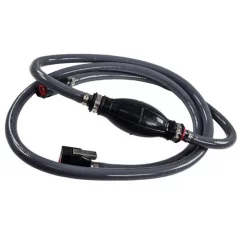
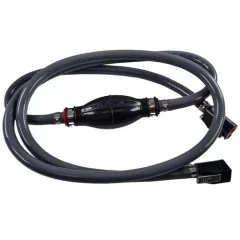
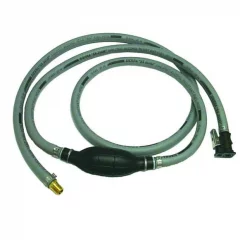
Primer bulb: Many hoses designed for outboard use include a hand pump (primer bulb) that makes it easier to transfer fuel and start the engine.
Fuel filter: Recommended to be added to the system to prevent contaminants from entering the engine.
Diesel fuel hoses and other fuel hoses for outboard motors from Marinekauppa
The fuel hose carries fuel from the tank to the engine and is an important part of the boat's fuel system. A hose intended for gasoline should only be used in gasoline engines - always choose a diesel fuel hose for a diesel engine. When installing a fuel hose, it is important to ensure the correct diameter, durability and tightness to avoid leaks and fuel supply problems. A carefully selected and installed fuel hose ensures safe and efficient boating without engine malfunctions. Check out our selection!