Winter fishing: Ice fishing, equipment and tips for a successful fishing trip
Ice fishing is a popular hobby in Finland, attracting fishermen from all over the country to enjoy the opportunities offered by winter. However, ice fishermen must be properly equipped to make their fishing trip safe and enjoyable. An ice fishing sensor or a more versatile ice fishing set is every ice fisherman's best friend. Check out our winter fishing equipment!
What is winter fishing?
Winter fishing refers to fishing on frozen bodies of water, such as lakes and ponds, during the winter months. For many anglers, it is an opportunity to continue their hobby year-round and experience the peace of nature even in winter. Winter fishing has its own charm, as it requires different skills and preparation compared to warmer months.
Ice fishing vs. summer fishing
Ice fishing differs from summer fishing in many ways. One of the biggest differences is of course the environment – ??ice fishing takes place on frozen bodies of water, while summer fishing takes place in thawed water. This changes not only the fishing technique but also the equipment used:
1. Fishing methods: Summer fishing often uses spinning, casting or trolling, where the lure is thrown into the water and reeled back in. Ice fishing, on the other hand, uses a small ice rod with a jig or jighead attached to it, and fish is caught from a hole drilled in the ice. The ice fisherman sits on the ice and waits for the fish to take the bait.
2. Equipment: Summer fishing often requires a boat, a reel and various lures. Ice fishing equipment is simpler, but special equipment, such as ice picks, an ice rod and an ice sensor, is needed to fish through the ice. Clothing also plays a key role in winter fishing, as staying warm in cold conditions is essential.
3. Fish Behavior: In winter, fish are often deeper and less mobile, making it more challenging to find them. This is why an ice fishing sensor that can locate fish under the ice is very useful for winter fishing.
Equipment required for ice fishing
1. Ice fishing rod: An ice fishing rod is an essential tool for ice fishing. It is smaller and more sensitive than the spinning rod used in summer fishing, and it helps the ice fisherman to feel the movements of the fish better.
2. Ice spikes: Ice spikes are essential equipment for winter fishing. Ice spikes are spikes that are worn around the neck and help the ice fisherman save himself when the ice breaks.
3. Auger: An auger is a tool used to make a hole in the ice. A good auger is sharp and the right size to effectively penetrate the ice and make a hole large enough for winter fishing.
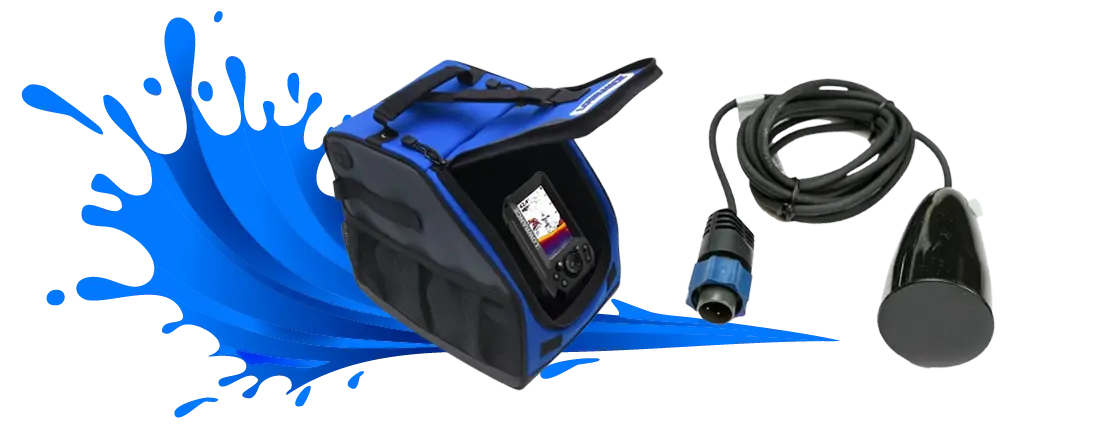
4. Ice fishing transducer : An ice fishing transducer is a sonar transducer designed specifically for ice fishing, which helps the angler locate fish under the ice. An ice fishing transducer works by sending sound pulses through the water and measuring the time it takes for the pulses to return when they hit the bottom or fish. Based on this information, the ice fishing transducer displays the location of the fish, the depth and possibly the structure of the bottom on the user's screen.
An ice fishing sensor is a significant helper in winter fishing, when fish are more passive and move less than in summer. With the help of an ice fishing sensor, the angler can accurately locate schools of fish and decide on a drilling location. An ice fishing sensor is usually combined with a sonar display or multifunction display, from which the angler can easily monitor the situation underwater.
An ice fishing sensor is often part of a larger ice fishing kit . An ice fishing kit may include, for example, an ice fishing sensor, a display and a carrying case. A good ice fishing kit is easy to carry, easy to interpret and can withstand harsh conditions. Check out Garmin's portable ice fishing kit or Lowrance's All Season ice fishing kit, for example!
5. Warm clothes and boots : When ice fishing, warm clothes are more than just a convenience – they are a necessity. Warm, waterproof clothing, such as padded pants, a wool layer, a warm jacket, and winter boots, will keep the cold out and make fishing more enjoyable.
What to look for when buying winter fishing equipment?
1. Ice fishing gear: When choosing ice fishing gear, it is important to consider the target fish and the fishing location. Lighter gear is suitable for smaller fish such as perch and roach, while heavier gear is better for ice fishing for pike or whitefish. Make sure that the ice fishing rod is sensitive, but strong enough to withstand the weight of larger fish. The reel of the ice fishing gear is also important - it should be reliable and easy to use, so that the fish is lifted smoothly.
2. Ice fishing sensor: When choosing an ice fishing sensor, you should pay attention to the accuracy, range and durability of the ice fishing sensor. Ice fishing sensors are used in harsh conditions, so a quality product will quickly pay for itself. Also, make sure it is compatible with your other equipment.
3. Safety equipment: When purchasing ice fishing equipment, safety is of primary importance. Ice axes are essential for every ice fisherman, and it is worth investing in their quality. In addition, the auger used to make the holes should be easy to use and safe to handle. The sharpness and usability of the auger directly affect the comfort of ice fishing, so choose a model that suits your needs and resources.
4. Warm and quality clothing: Ice fishing can be a cold activity, so it’s important to have the right clothing. Make sure your winter fishing clothing is windproof and waterproof, but also breathable to keep you dry and warm. Good boots are essential, as they will keep your feet warm and dry all day long. Layering is essential when winter fishing, as it helps to maintain body heat in different conditions. A base layer that wicks moisture away from your skin, an insulating mid layer that retains heat, and an outer layer that protects against wind and water, all combine to create the perfect combination for managing the conditions.
Tips for successful ice fishing
Ice fishing can be very rewarding, as long as you have the right equipment and conditions. Remember these tips to make your fishing trip safe and enjoyable:
Choose the right place: Research the fishing areas in advance and make sure that it is safe to go out onto the ice. Local fishing clubs or groups can give good tips on the best fishing spots. For more information, see, for example, the City of Helsinki website about the fishing waters in the Helsinki Metropolitan Area.
Follow the weather forecast: When fishing in the winter, the weather can change quickly. Make sure you are prepared for sudden changes in weather conditions, and don't hesitate to cancel your trip if conditions seem too dangerous.
Use safety equipment: Ice picks and backup equipment can save your life if the ice fails. Never underestimate the importance of safety when ice fishing.
Keep your equipment in good condition: Maintain your fishing gear, fishing sensors, and other equipment regularly. Well-maintained equipment will perform better and last longer, enhancing your fishing experience.
Be patient: Ice fishing often requires more patience than summer fishing. Fish move less in the winter, so be prepared to wait longer for your catch. However, with the right equipment, a decent ice fishing sensor, and attitude, the waiting is part of the fun.
Winter fishing equipment from Marine Store!
Ice fishing is a popular and rewarding hobby that offers anglers the opportunity to enjoy nature in the middle of winter. However, for ice fishing, it is necessary to equip yourself with a proper ice fishing set or ice fishing sensor - and of course warm equipment. When choosing winter fishing equipment, pay attention to quality, durability and suitability for your own needs. Properly selected and maintained equipment will ensure that your fishing trip is not only successful, but also safe and comfortable.
Discover our winter fishing selection!