Transducer Cables
Transducer Cables -ryhmän tuotteet
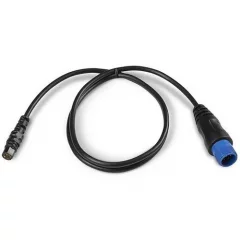
Connect an 8-pin transducer to a 4-pin sonar port. Product No. 13867 Transducer adapter from a 4-pin female connector to a 6-pin male connector.
- 8-pin -> 4-pin adapter cable

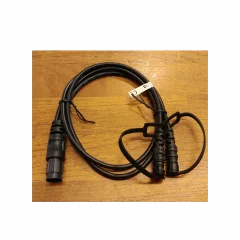
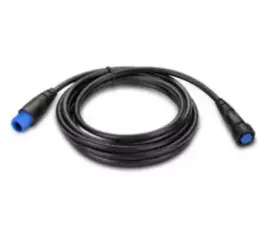
Extend the cable of a compatible transducer with this 3-meter (10-foot) or 9-meter (30-foot) cable.
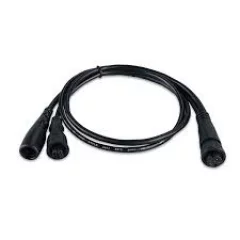
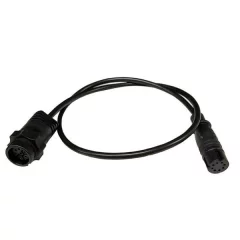
7-pin transducer adapter cable for HOOK² & HOOK Reveal. The adapter allows you to connect a Lowrance transducer with a blue 7-pin connector to the Hook-2 or Hook Reveal series.
- Adapter cable
- 7-pin sensor
- For Hook2 and Reveal devices

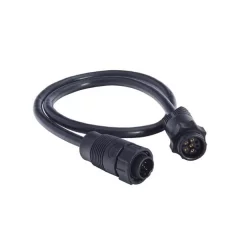
transducer adapter cable
The 7-to-9-pin transducer adapter cable connects the 7-pin blue connector on the transducer to the 9-pin connector on the xSonic display.
- Adapter cable
- 7-pin sensor
- 9-pin device
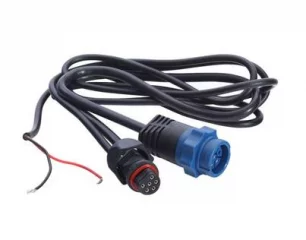
- Sensor cable adapter
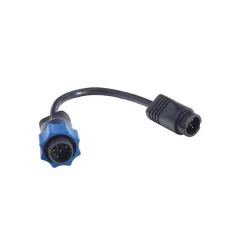
The TA-UQ2BL-T adapter connects uni-plug transducers to Lowrance 7-pin blue connector displays.
- Sensor cable adapter
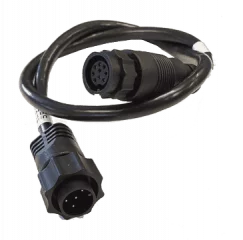
Adapter: 9 pin black -> 7 pin blue sonar connector on device. Not CHIRP compatible! Connects a non-CHIRP transducer with a 9 pin black connector to the older 7 pin blue sockets on displays and sonar modules. Used on transducers with an analog temperature sensor.
- 9 pins > 7 pins
- Not CHIRP compatible
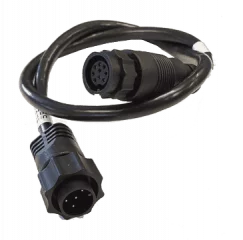
- 9-pin sensor
- 7 pin device xid
- CHIRP compatible
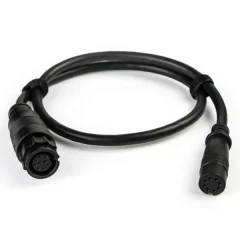
xSonic transducer – HOOK²/Cruise/Eagle adapter
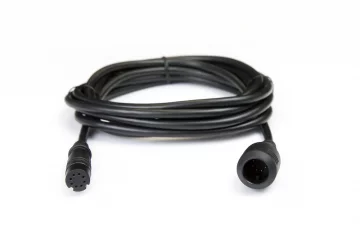
3 meter extension cable for Lowrance HOOK2 & HOOK Reveal TripleShot/SplitShot transducers. Also suitable for Simrad Cruise devices.
- Length: 3m
- 8-pin
- Lowrance product code: XT-10H2/RV
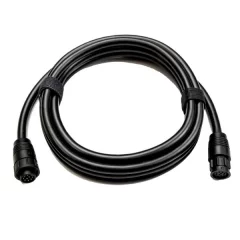
Sensor extension cable
3m extension cable for LSS-1, LSS-HD, xSonic HDI, ForwardScan, TotalScan and Active Imaging 3in1 transducers. Lowrance oblique transducer extension cable 3m. Ensure optimal performance by using only one extension cable per installation.
- Length: 3.0m
- For Simrad, Lowrance and B&G products
- Manufacturer's product code: XT-10BLK
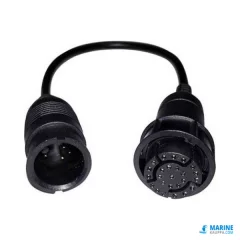

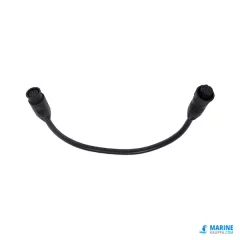
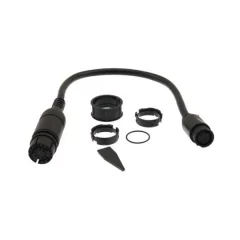
Adapter cable for connecting the CPT-S / CPT-100DVS sensor to the AXIOM RV / PRO-S / PRO-RVX multifunction display.
- Length: 0.3m
- Adapter cable 9-25pin
- Raymarine product number: A80490
Adapter cable to connect Raymarine CPT transducers to AXIOM RV and AXIOM PRO multifunction displays.

- Length: 4m
- Sonar extension cable
- Compatible: CPT-S, CP100, CPT110, CPT120
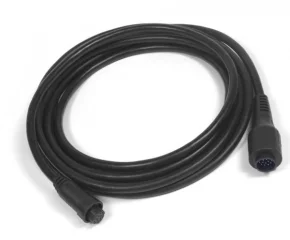
- 4m extension cable
- For Hypervision sensor
- Element series
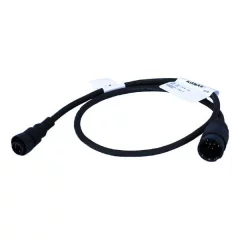
Adapter cable that allows you to connect Raymarine DSM sonar modules to normal non- DSM transducers. Includes adapter cable only.
The adapter cable allows you to connect the following non- DSM transducers to the DSM sonar module:
- P48
- P58
- P74
- P79
- P319
- B60
- B744V
- B258
- B164
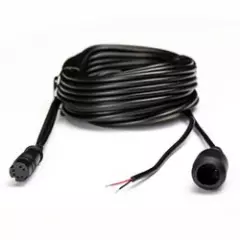
3 meter (10 foot) sonar extension cable for Hook2 4x Bullet sonar.
- Jatkojohto 3m
- Hook2 4x Bullet -kaikuanturille
- Lowrance tuotekoodi: XT-10HOOK2-4X


