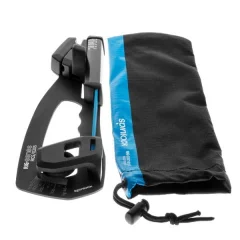
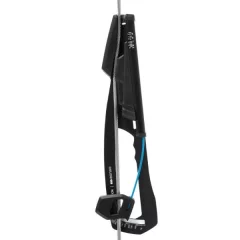
In the Voltage Meters product group, you will find tools for measuring the voltage of coulters: the Spinlock Rig-Sense voltage meter for 2–5mm thick rims and for 5–8mm thick rims.
Proper voltage in the cleats is a critical factor in mast support and sailing characteristics — a cleat that is too loose will cause excessive mast movement and uneven rigging, while a cleat that is too tight can bend the mast in the wrong direction or even damage the mast, boat hull, or cleats themselves from overloading. A voltage gauge gives you an accurate, repeatable reading instead of relying solely on feel when tightening the rope.
Spinlock Rig-Sense is designed specifically for sailboat rigging, and the gauge is selected based on the actual wire diameter of the coamings — the 2-5mm model is suitable for lighter sailboats and dinghy coamings, while the 5-8mm model is intended for heavier, larger sailboats with thicker coamings. Using the wrong gauge will give an incorrect reading, so choosing the right model is essential for accurate results.
Measure voltage regularly throughout the season, especially after the mast is erected and before longer voyages — temperature changes and normal rigging stretching during use will change voltage over time. Record your measurements so you can compare them to previous seasons and notice any changes in the rigging’s condition in good time.
Keep the meter clean and dry after use, as salt and dirt can affect the accuracy of the measurement over time. Always compare the measurement results to the voltage values ??recommended by the boat or mast manufacturer, as the correct voltage varies considerably depending on the boat model and type of rigging.
Always compare the reading to the boat's own previously recorded values, if available — this will quickly reveal whether the rigging voltage has changed significantly since the previous measurement and whether it requires further adjustment.
Consider keeping a gauge as part of your boat's standard equipment if you adjust your rig frequently during the season — that way, you'll always have the gauge within reach and won't have to search for it when you need to make adjustments.
Compare the accuracy and ease of use of the meter across different models, as the clear scale facilitates quick and reliable readings when working on deck.
Clean the meter's grip surface before each use to ensure accurate and reliable readings in varying conditions.
Ask for advice on choosing the right gauge if the wire diameter of your vanes falls between the two measurement ranges.
Compare the meter's housing's resistance to drops, as the tool often travels with you when moving around on deck.