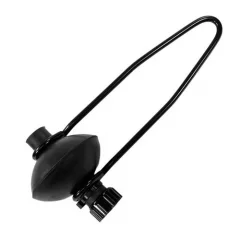
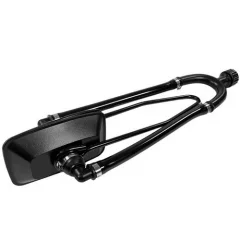
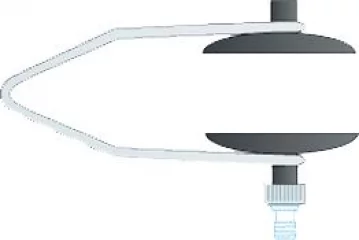
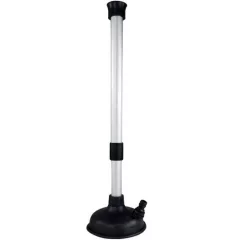
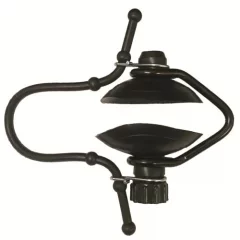
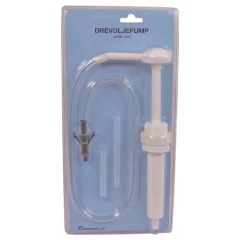
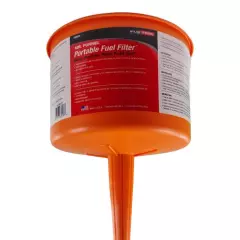
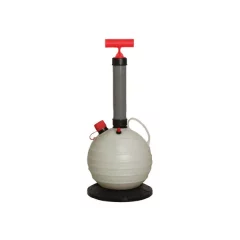
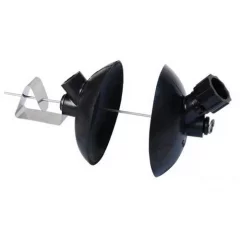
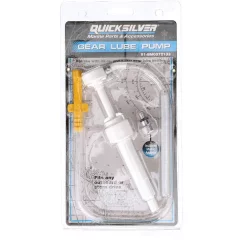
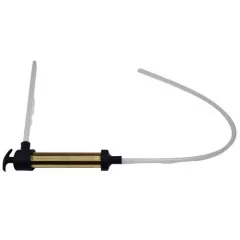
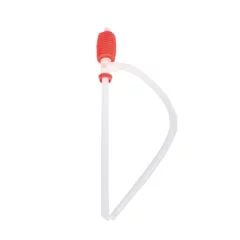
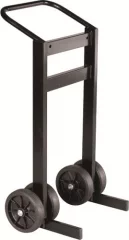
In the outboard motor winter storage product group, you will find the equipment needed to flush and winterize the engine: a general outboard motor flusher, an Easterner flusher with double hoses and adapters, a dedicated flusher for Volvo Penta drives, a flusher for inboard motors, and a Quicksilver Mercury/Mercruiser flusher.
Flushing the engine with fresh water before winter storage is one of the most important measures for the engine's service life: salty or dirty sea or lake water will remain in the cooling system during the winter if it is not flushed, which accelerates corrosion and can cause freezing damage to the cooling channels in frost.
The flusher attaches to a garden hose and the engine's cooling water intake, allowing fresh water to circulate through the cooling system without having to start the engine in the water — a safe way to flush the engine on dry land when docking. Different engine types (outboard, inboard, Volvo Penta drive) require slightly different flusher connections, so choose the one that best suits your engine type.
In addition to flushing, complete winter storage typically also includes changing the transmission oil, protecting the fuel system, and protecting the engine's exterior surfaces — however, flushing is the first and most important step, which should always be done immediately after the last run of the boating season, not before lifting it into the dock.
Always flush immediately after the last ride of the season, don't leave it until spring — salty or dirty water that has been sitting around over the winter can cause corrosion damage to the cooling system during the winter. Also check that all cooling water outlets are functioning normally during the flush, as this is a sign that the system is not clogged.
Incorporate flushing into your regular end-of-season maintenance routine along with other winterization steps — that way, you won't accidentally miss any important steps before the long winter break.
Compare the connection methods of different flushing devices according to your engine type before ordering — the wrong connection type will not fit the engine's cooling water intake, meaning flushing will not be effective or will not be possible at all.
Compare the price and durability of the flushing device across different models — a higher-quality connection will last for several seasons without leaks or cracks at the hose connections.
After flushing, test the hose system for leaks before moving the boat into final winter storage.
Ask for advice on choosing the right flushing device if the connection for your motor type differs from the most common models.
Compare the length of the hose system with your own garden hose and the location of the motor before purchasing.