A diesel air heater makes a longer boating season a reality: when the cabin warms up in minutes, early-morning and autumn boating is pleasant despite damp and cold weather. This guide explains how a diesel air heater works, how to choose the right output, how to install it safely and how to service it so that it starts every time you need it.
How does a diesel air heater work?
A diesel air heater is a small, self-contained heating unit that burns small amounts of diesel in a separate combustion chamber. A metering pump takes fuel from the boat's tank or a separate small tank, combustion air is drawn from outside and exhaust gases leave through a dedicated pipe. A heat exchanger transfers the heat to cabin air, which a fan blows through ducting into the living spaces. The cabin air itself never mixes with combustion gases – which is exactly what makes the solution safe in an enclosed space.
The unit runs on 12 V or 24 V (it glows during start-up, after which consumption drops) and uses only a fraction of a litre per hour. The most common brands in marine use are Eberspächer and Webasto. Our range of diesel air heaters, spare parts and accessories is in diesel heaters and boat heaters. For a wider look at boat heating and ventilation solutions, see our guide to boat air conditioning and heating.
Eberspächer Airtronic D2L, D4L and D4R at a glance
Three common models are the Airtronic D2L, D4L and D4R. They differ in output and airflow:
Model | Heat output | Fuel consumption | Hot-air outlet | Fresh-air inlet | Voltage |
Airtronic D2L (S2 Commercial) | 850–2200 W | 0.10–0.28 l/h | 75 mm | 60 mm | 12 V |
Airtronic D4L (M2 Commercial) | 900–4000 W | 0.11–0.51 l/h | 90 mm | 75 mm | 12 V |
Airtronic D4R (M2 Recreational) | 900–4000 W | 0.11–0.51 l/h | 75 mm | 75 mm | 12 V |
The D2L is compact and suits small spaces such as a small boat, caravan or car. It is quiet and economical, so it works well for overnight heating. The D4L is more powerful and suits medium to larger boats; its fan distributes heat quickly and evenly. The D4R is the most powerful model designed for recreational use, with a stronger fan that copes with longer hot-air hoses without overheating.
The D4 models run on diesel as well as kerosene (e.g. camping paraffin) and HVO100 renewable diesel. All have overheat and overvoltage protection, and the D4 series also has an integrated thermostat and timer.
Choosing the right output
Choose a unit according to the size of the boat, how you use it and the season. The longer the season and the poorer the insulation, the larger the heater you need. As a rough guide, a 2 kW-class unit is enough for a small sailboat or open motorboat with a small cabin, whereas a 30–40 ft boat or long-season use calls for 4 kW. An oversized heater spends more time running at low output, which loads the combustion chamber; an undersized one simply cannot heat the space in cold weather.
Insulation helps as much as heating: window insulation covers, seals and sealing roof hatches reduce heat demand considerably. When running the heater continuously in the cold season, warm the space gradually rather than raising the temperature quickly.
Installation and control
Install the unit in the location specified by the manufacturer, in a dry space and well away from flammable materials. The key points:
· Combustion air intake and exhaust outlet must be routed out through the hull so that exhaust cannot be drawn back in and the outlets are above splash level.
· Hot-air ducting (75 or 90 mm) should be short and straight; every bend and extra length weakens airflow. Closable outlet vents let you direct heat to the spaces you use.
· Fuel pump and filter are installed according to the instructions and the fuel line is protected against chafing.
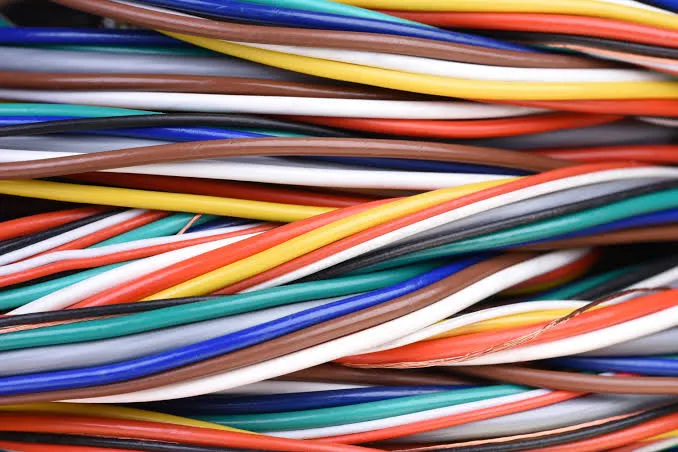
· Electrical connection is made with a sufficiently thick cable and the correct fuse, directly from the battery; low voltage is the most common cause of starting problems. Read more in our battery wiring guide.
Installation kits, hoses, thru-hulls and other accessories can be found in heater installation kits, heater hoses, heater thru-hulls and heater accessories.
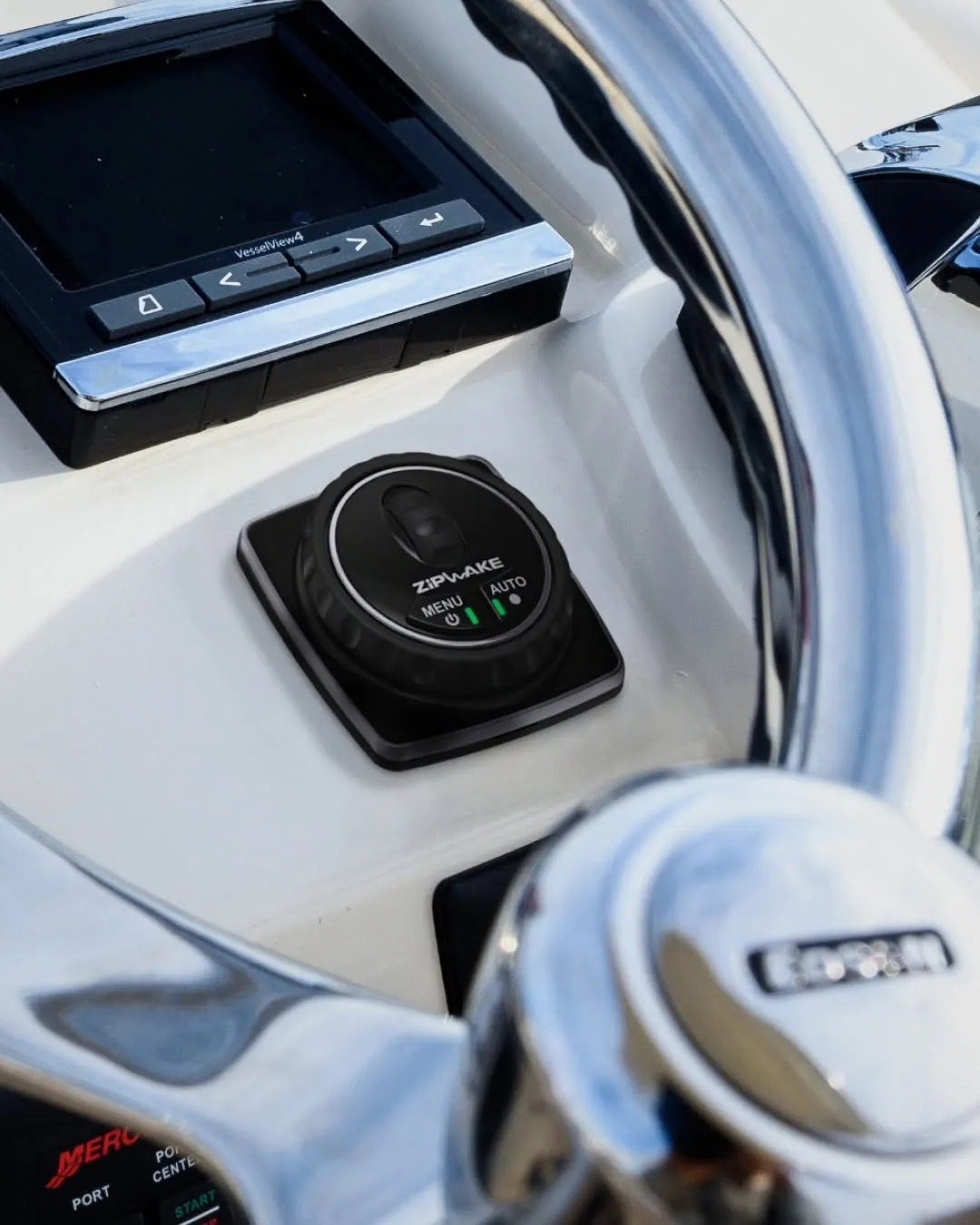
There are several control options. The EasyStart Pro controller, for example, operates Eberspächer Airtronic S2/M2 and Hydronic S3 heaters with a single button over a CAN bus. It has an integrated temperature sensor (an external one is optional), a weekly timer with three programs, quick start with a long press, heating and ventilation modes, and diagnostics.
Maintenance: keeping the heater reliable
A diesel air heater is only apparently maintenance-free. The following keep it in good condition:
· Follow the manufacturer's service schedule.
· Keep the air intake and outlet clean and unobstructed.
· Inspect and replace the fuel filter at the specified intervals.
· Keep the battery well charged – low voltage is the most common cause of starting faults.
· Run the heater a few times in winter and in summer so the pump and combustion chamber don't dry out and clog.
· Use good-quality fuel recommended by the manufacturer.
Replacing the fuel filter
1. Switch off the heater and let it cool completely.
2. Find the filter (usually at the fuel pump or in the fuel line).
3. Loosen the connections with a screwdriver or socket wrench and place a container underneath to catch fuel.
4. Remove the old filter – a little fuel will always spill.
5. Clean the connection surfaces before fitting the new filter.
6. Fit the new filter securely, without overtightening.
7. Check for leaks before starting the heater.
8. Start the heater and confirm normal operation.
Maintenance supplies can be found in heater maintenance supplies.
Troubleshooting
· Heater won't start: possible causes are lack of fuel, a battery problem, a poor electrical connection or a faulty temperature sensor. Check fuel, battery voltage, connections and sensors.
· Weak or uneven heat: a clogged fuel filter, blocked intake or outlet, or a faulty heating element. Replace the filter, clear the openings and inspect the element.
· Unexpected shutdown: overheating, fuel shortage, an electrical fault or a sensor fault. Reset the overheat error and check fuel and electrics.
· Unusual noises: rattling, clanking or vibration may indicate a loose or damaged component.
If the problem persists, contact an authorised service workshop of the manufacturer.
Safety
A diesel air heater is safe when used correctly. Always ensure adequate ventilation and that the exhaust outlet is in order; carbon monoxide is an invisible, odourless hazard. Fit a carbon monoxide alarm in the cabin and keep a smoke alarm and fire extinguisher easily accessible. Never cover the air intake or outlet, keep flammable materials away from the unit and inspect hoses, pipes and joints for leaks. Store fuel away from sunlight, open flame and extreme temperatures. More on boat safety in our guide to mandatory boat equipment.
Usage tips
· Run the heater continuously at low output rather than switching it on and off repeatedly – frequent starts wear the unit and the battery.
· Use the timer and direct heat only to the spaces in use.
· Watch the fuel level and battery condition, especially over long periods of use.
· Insulate the cabin and keep windows tight – the same heat goes further.
· Check that the unit is grounded and the electrical system is in good order.
· Store the unit dry and protected out of season.
Summary
· A diesel air heater vents its exhaust outside – a safe solution for an enclosed cabin when installed according to the instructions.
· Choose the output by boat size and insulation: D2L for small boats, D4L and D4R for mid-size and larger boats.
· Service the fuel filter, keep the intake and outlet open and run the heater occasionally in summer too.
· Install a carbon monoxide alarm and keep a fire extinguisher within easy reach.