An electric anchor windlass changes anchoring: one person can lower and raise the anchor, even in strong wind, without heavy manual work. Choosing the right windlass is not just a question of power, though – the whole system consists of the windlass, anchor, chain or rope, controls and electrics. This guide helps you pick a sensible package for your boat.
Windlass types: manual, hydraulic and electric
· A manual windlass is slower but needs no battery. It suits small boats, leisure boats and long-distance sailing where reliability matters most. Installation is easy and the price lower than electric or hydraulic.
· A hydraulic windlass suits large vessels that need high lifting capacity. The system is more complex, often needs professional installation and a separate hydraulic system.
· An electric windlass is powered by the boat's battery or a separate battery and is operated by a button or remote control, so a single person can anchor. It is the most common choice on larger leisure boats and reduces physical effort – especially in bad weather or tight anchorages.
This guide concentrates on electric windlasses. You'll find our range in anchor winches.
Placement: bow, stern or side?
Position the windlass so that the angle between the anchor roller and the windlass is right and there is room beneath it for the full chain or rope. Installation is easiest with the boat on land, but is possible in the water too.
· Stern-mounted windlasses are common in Nordic waters, where boats are often anchored stern-to and tied to a rock or pier at the bow. Choose a free-fall function here, so the anchor drops by itself when you press the down button.
· Side-mounted windlasses save space on boats with a fold-out swim platform and use otherwise empty interior space.
· Bow-mounted is the most common arrangement elsewhere in the world, when anchoring to swing freely. Free-fall matters less here. Chain is generally preferred because of its weight.
See also our guides to sizing an anchor and mooring your boat.
Power, working load and pull force
Windlasses are specified by three values:
· Motor power (W): higher power generally means a stronger motor for heavier loads. Choose according to boat size and use.
· Working load (kg): the maximum weight the windlass is designed to handle in normal use, including anchor, chain and other loads. Choose a windlass whose working load exceeds the expected load.
· Pull force (kg): the maximum force the windlass can generate to raise the anchor. It must overcome seabed resistance and the anchor's weight.
An oversized windlass wastes power; an undersized one wears out quickly. The following are approximate motor ratings for average leisure boats in normal use:
Boat size | Weight class | Recommended motor power |
6–8 m | up to 3 t | 500–800 W |
8–10 m | over 3 t | 800–1200 W |
10–12 m | over 3 t | 1200–1600 W |
For demanding conditions (deep water, thick mud, strong wind) choose extra capacity. Always follow the manufacturer's own sizing table.
Chain or rope?
· Chain is heavy, gives a solid connection to the anchor, absorbs shocks and jerks and is less prone to tangling. It's especially suitable for overnight anchoring or strong wind.
· Rope is lighter, quieter and gentler on the seabed. Weighted (lead-core) rope sinks quickly and gives stable anchoring.
For overnight anchoring, an anchor rope with a pre-attached length of chain is recommended so the anchor sets at the right angle. Inspect and maintain the whole system regularly. Our range: anchor lines, anchor shackles and anchor accessories.
Anchor and anchor holders
Anchor size is decisive for holding. General advice: if you're between two sizes, choose the larger. The basics of sizing are in our guide on sizing an anchor. Anchors are in anchors.
The anchor holder keeps the anchor secure and makes handling smooth. Options include deck-mounted, stern-mounted, bow-pulpit-mounted and folding types – see anchor holders. Turning rollers and lead-through fittings may be needed to bring the rope or chain onto the windlass wheel at the correct angle.
Controls: panel, foot switch or remote
· A fixed panel with up/down buttons is convenient at the helm.
· Foot switches near the windlass keep your hands free.
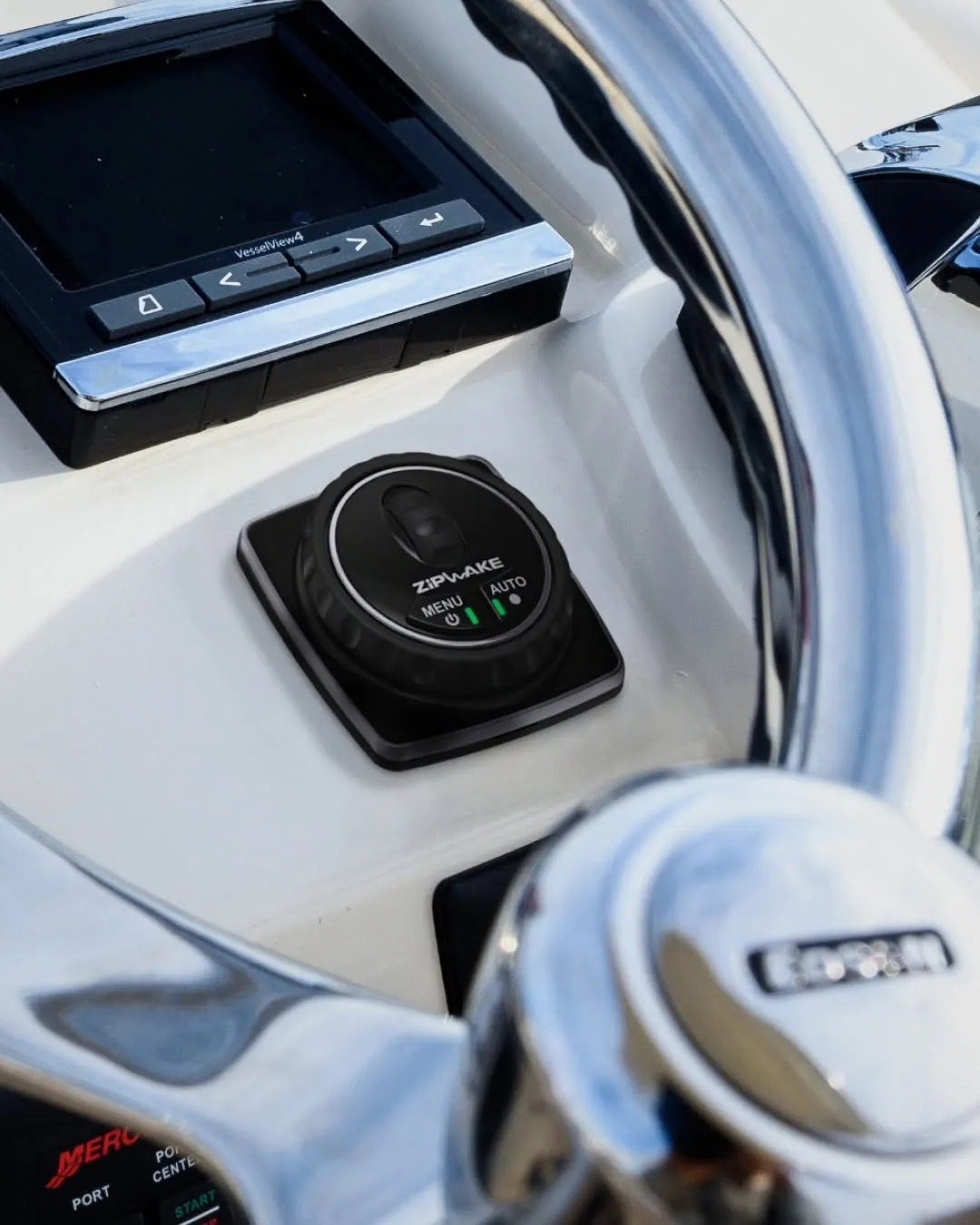
· A remote control is wireless and usable from anywhere on board or even from the pier. A multi-channel remote can control several windlasses or, for example, a bow thruster.
See the range in anchor winch switches and remote controls.
Free-fall
In free-fall the anchor drops freely without the electric motor, so it descends quickly and without resistance. Advantages: faster anchoring, usefulness in an emergency and less strain on the motor, which can extend its life. Without free-fall the motor lowers and raises the anchor, which is slower but gives more precise control and reduces the risk of accidental release.
Power and cabling
· The windlass can be connected to the boat's main battery or a dedicated windlass battery. A separate battery protects the main system from overload and is recommended for a bow windlass because it shortens the cable run.
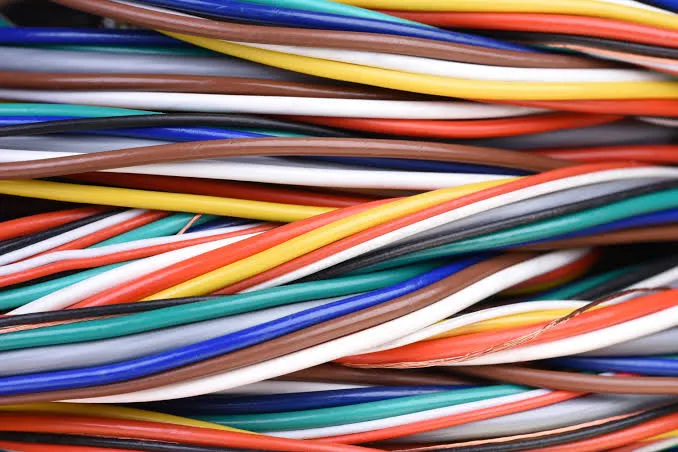
· Use sufficiently thick cables to minimise voltage drop – read more in our battery wiring guide and see battery cables.
· Make sure all connections are insulated and secured properly.
· A fuse is essential. A resettable circuit breaker that also serves as the windlass's main switch is recommended. See fuse boxes and holders.
Buyer's checklist
1. Boat size and weight
2. Usage area and conditions
3. Anchor type (must be compatible with the windlass)
4. Power, working load and pull force
5. Mounting location and style (vertical or horizontal shaft)
6. Compatibility with the boat's electrical system
7. Control method (panel, foot switch, remote)
8. Installation complexity and maintenance – use a professional if unsure
9. Manufacturer reputation and user reviews
10. Budget
11. Total cost: a windlass package rarely includes everything – budget for the anchor, roller, control box, panel, fuse, chain or rope, cables, swivel, fixings and a remote.
Complete the package with anchor winch accessories.
Summary
· An electric windlass makes solo anchoring safe and effortless.
· Choose power by boat size: 6–8 m 500–800 W, 8–10 m 800–1200 W, 10–12 m 1200–1600 W.
· Chain is heavy and absorbs shocks; rope is lighter and quieter.
· Free-fall is useful on a stern-mounted windlass.
· Size cables and fuse correctly – most windlass faults are electrical.